Paul Richter
Actor
Born: January 1, 1895 in Vienna, Austria-Hungary (now Austria) Died: December 13, 1961 Active: 1918-1930s
Films
4 films
About Paul Richter
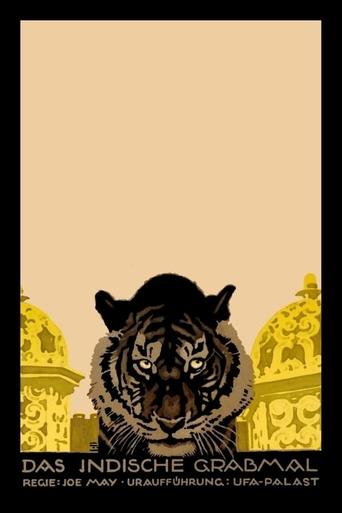
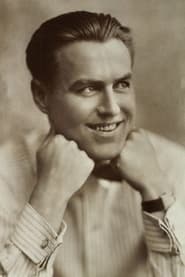
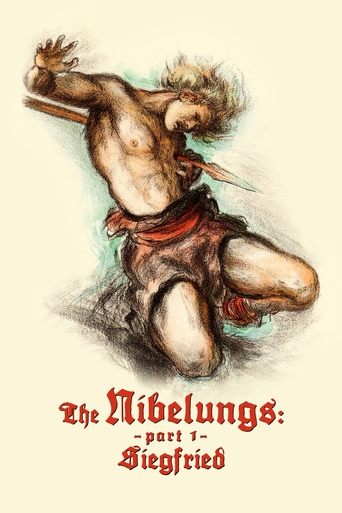
Austrian actor who rose to prominence as a leading man in German silent cinema during the early 1920s. Born in Vienna in 1895, he began his career working as a bank clerk before being discovered by director Joe May, who recognized his potential for the silver screen. Richter quickly established himself with his imposing physical presence and heroic stature, making him ideal for the epic productions that characterized German Expressionist cinema. His breakthrough role came in 1921's 'The Indian Tomb,' which led to his casting as the hero Siegfried in Fritz Lang's monumental 'Die Nibelungen' (1924), a performance that would define his career. Richter frequently collaborated with the era's most significant directors, including Lang and May, often working with screenwriter Thea von Harbou. His career peaked in the mid-1920s with several high-profile productions, but like many silent film stars, he struggled to maintain his status with the advent of sound cinema. After appearing in fewer films during the 1930s, Richter eventually retired from acting and spent his later years in Vienna, where he passed away in 1961, leaving behind a legacy as one of the distinctive faces of German silent cinema's golden age.
The Craft
On Screen
Richter's acting style was characteristic of the silent era, emphasizing expressive physical movement and dramatic facial expressions to convey emotion without dialogue. His athletic build and commanding presence made him particularly suited for heroic and romantic roles in epic productions. He possessed a theatrical intensity that matched the grand scale of German Expressionist films, using his physique and expressive eyes to create memorable characters. Richter's performances were marked by a certain nobility and strength that made him ideal for mythological and legendary figures.
Milestones
- Breakthrough role in 'The Indian Tomb' (1921)
- Iconic performance as Siegfried in 'Die Nibelungen' (1924)
- Collaboration with director Fritz Lang on multiple films
- Leading man status during German Expressionist cinema peak
- Transition from bank clerk to film star
Best Known For
Iconic Roles
Must-See Films
Accolades
Special Recognition
- Recognition as a leading figure of German Expressionist cinema
- Cultural significance for portrayal of Siegfried in film history
Working Relationships
Worked Often With
Studios
Why They Matter
Impact on Culture
Paul Richter made a significant contribution to the golden age of German Expressionist cinema, particularly in the realm of epic historical and fantasy films. His portrayal of Siegfried in Fritz Lang's 'Die Nibelungen' remains. Richter embodied the heroic ideal of the 1920s, representing the grandeur and ambition of German film during its most creative period. His work contributed to the international recognition of German cinema and influenced how heroic figures would be portrayed in subsequent films. Though his career was relatively brief, Richter's performances continue to be studied by film scholars as examples of silent era acting at its most expressive and physically demanding.
Lasting Legacy
Paul Richter's legacy endures through his memorable performances in some of the most significant films of the German silent era. His portrayal of Siegfried in 'Die Nibelungen' has become a reference point for cinematic interpretations of Germanic mythology and continues to influence filmmakers working with epic material. Richter represents the archetype of the silent film leading man whose physical presence and expressive abilities could transcend the limitations of non-synchronous sound. His work remains an important part of film history education, particularly in studies of German Expressionism and the transition from silent to sound cinema. While less remembered than some of his contemporaries, Richter's contributions to classic cinema have secured him a permanent place in the annals of film history.
Who They Inspired
Richter influenced the visual representation of heroic figures in cinema, particularly in how physical presence and athletic ability could be used to embody mythological characters. His work in German Expressionist films contributed to the development of visual storytelling techniques that would influence directors worldwide. While he didn't directly mentor many actors, his performances served as a model for portraying heroic stature and nobility in silent cinema. The success of his films, particularly 'Die Nibelungen,' demonstrated the international appeal of German epic productions and paved the way for similar large-scale historical films in other countries.
Off Screen
Paul Richter married Norwegian actress Aud Egede-Nissen in 1922, with whom he had one child. Their marriage was notable as both were prominent figures in German cinema during the 1920s. The couple eventually divorced, and Richter later remarried. Despite his film success, Richter maintained a relatively private personal life, focusing on his craft during his peak years and later retreating from public life as his career waned with the transition to sound films.
Education
Limited formal education; likely received theatrical training before entering films. Worked as a bank clerk before being discovered for cinema.
Family
- Aud Egede-Nissen (1922-1925)
- Second wife (1926-later)
Did You Know?
- Discovered by director Joe May while working as a bank clerk
- Married Norwegian actress Aud Egede-Nissen in 1922
- Performed many of his own stunts in 'Die Nibelungen'
- His athletic build made him ideal for heroic roles
- Worked during the peak of German Expressionist cinema
- Career declined significantly after the transition to sound
- One of the few Austrian actors to achieve leading man status in German cinema
- His films were often co-written by Thea von Harbou
- Appeared in both parts of the 'Die Nibelungen' saga
- Retired from acting in the early 1930s
- His portrayal of Siegfried required extensive physical preparation
- Worked with UFA, Germany's most prestigious film studio of the era
In Their Own Words
No widely documented quotes attributed to Paul Richter, as was common for silent film actors whose work was primarily visual rather than verbal
Frequently Asked Questions
Who was Paul Richter?
Austrian with credits in this catalog.
What films is Paul Richter best known for?
Titles linked here include Die Nibelungen: Siegfried (1924), The Indian Tomb, Part I: The Mission of the Yoghi (1921).
When was Paul Richter born and when did he die?
Born January 1, 1895; died December 13, 1961.
What awards did Paul Richter win?
During the silent era, formal acting awards were not as standardized as they became later, and there are no documented major awards for Richter, though he received critical acclaim for his performances.
What was Paul Richter's acting style?
Richter's acting style was characteristic of the silent era, emphasizing expressive physical movement and dramatic facial expressions, with a commanding presence suited for heroic and epic roles.
Did Paul Richter work with any famous directors?
Yes, Richter frequently collaborated with legendary directors Fritz Lang and Joe May, who were central figures in German Expressionist cinema.
What happened to Paul Richter's career after silent films?
Like many silent film stars, Richter's career declined significantly with the transition to sound cinema in the late 1920s and early 1930s, leading to his retirement from acting.