
Films
3 films
About Károly Huszár
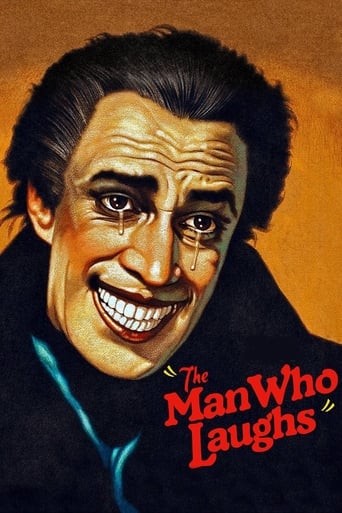
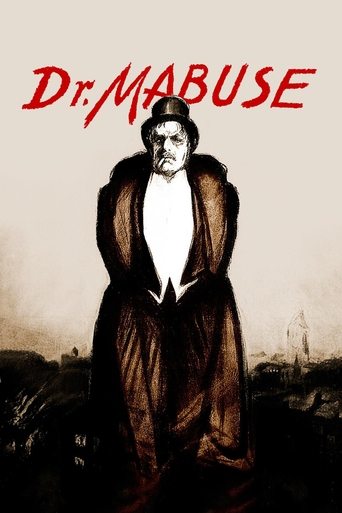
Hungarian actor who found success in German cinema during the silent film era of the 1920s. Born in Hungary, he relocated to Germany where he became part of the thriving German film industry during its golden age. His career, though relatively brief, coincided with some of the most artistically significant years of European cinema. Huszár appeared in several notable productions, working with acclaimed directors of the Expressionist movement. His most recognized performances came in Fritz Lang's crime thriller 'Dr. Mabuse, the Gambler' (1922) and Paul Leni's visually stunning adaptation 'The Man Who Laughs' (1928). After the transition to sound films began in the late 1920s, Huszár's film career appears to have ended, as was common for many actors whose careers were primarily rooted in silent cinema. His contributions, while not extensively documented, represent the international character of European filmmaking during this period.
The Craft
On Screen
As a silent film actor, Huszár employed the exaggerated physical expressions and gestures characteristic of the era, likely influenced by German Expressionist techniques. His performances would have emphasized visual storytelling through body language and facial expressions to convey emotion without dialogue.
Milestones
- Appeared in Fritz Lang's 'Dr. Mabuse, the Gambler' (1922)
- Acted in 'The Man Who Laughs' (1928)
- Participated in German Expressionist cinema movement
- Worked in international co-productions between Germany and Hollywood
Best Known For
Iconic Roles
Must-See Films
Working Relationships
Worked Often With
Studios
Why They Matter
Impact on Culture
Károly Huszár's contributions to cinema, while not extensively documented, represent the international character of European filmmaking during the silent era. His participation in two landmark films of the 1920s places him within the context of major artistic movements in cinema history. As a Hungarian actor working in German productions, he exemplified the cross-cultural exchange that enriched European cinema during this period.
Lasting Legacy
Though not widely remembered by name today, Károly Huszár's legacy lives on through his contributions to two historically significant films. 'Dr. Mabuse, the Gambler' remains a cornerstone of German Expressionist cinema and crime film genres, while 'The Man Who Laughs' is celebrated for its visual artistry and influence on horror cinema. His work shows the collaborative nature of film production and the many unsung artists who contributed to cinema's greatest achievements.
Who They Inspired
As a supporting actor rather than a star, Károly Huszár's direct influence on other performers is difficult to trace. However, his participation in influential Expressionist films contributed to the development of visual storytelling techniques that would influence generations of filmmakers and actors. The films he appeared in helped establish conventions in crime cinema and horror that continue to resonate in contemporary filmmaking.
Off Screen
Limited information is available about Károly Huszár's personal life, which was not uncommon for character actors of the silent era. As a Hungarian working in German cinema, he was part of the international community of artists who contributed to Weimar Germany's cultural renaissance before the rise of the Nazi regime.
Did You Know?
- Appeared in one of Fritz Lang's early masterpieces before the director achieved international fame with 'Metropolis'
- Participated in 'The Man Who Laughs', which was Universal's attempt to replicate their European horror success in America
- His active years covered the final years of the silent era, ending just as sound films became dominant
- As a Hungarian actor in German cinema, he was part of the significant Eastern European contribution to Weimar film culture
- The films he appeared in are now considered classics of silent cinema, though his name is largely forgotten
- His filmography, though brief, includes works from two different countries and production systems
- The limited documentation of his career is typical of many character actors from the silent era whose contributions were not extensively recorded
Frequently Asked Questions
Who was Károly Huszár?
Hungarian with credits in this catalog. Mabuse, the Gambler' (1922) and 'The Man Who Laughs' (1928). He was part of the international community of artists contributing to European cinema's golden age in the 1920s.
What films is Károly Huszár best known for?
Titles linked here include Dr. Mabuse, the Gambler (1922), The Man Who Laughs (1928).
When was Károly Huszár born and when did he die?
Born 1882; died 1941.
What awards did Károly Huszár win?
There are no documented awards or nominations for Károly Huszár, which was not uncommon for character actors and supporting performers during the silent era when formal recognition systems were less established than today.
What was Károly Huszár's acting style?
As a silent film actor, Károly Huszár employed the exaggerated physical expressions and gestures typical of the era, likely influenced by German Expressionist techniques that emphasized visual storytelling through body language and facial expressions to convey emotion without dialogue.