The Man Who Laughs
"A smile carved in defiance of the king"
Keys: Space play/pause · ←/→ 10s · F fullscreen · M mute · </> speed
About this film
When a proud noble refuses to kiss the hand of despotic King James in 1690, he is executed and his son Gwynplaine is surgically disfigured with a permanent grin. Paul Leni's Gothic romance follows the laughing outcast who loves the blind Dea while nobility plots against him.
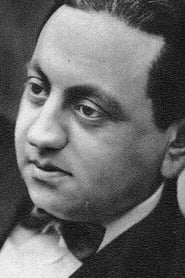
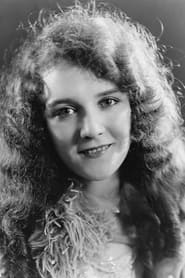
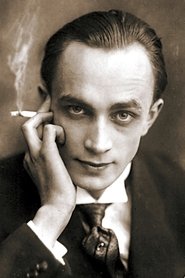
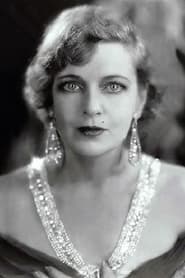
Cast & crew
More films like this
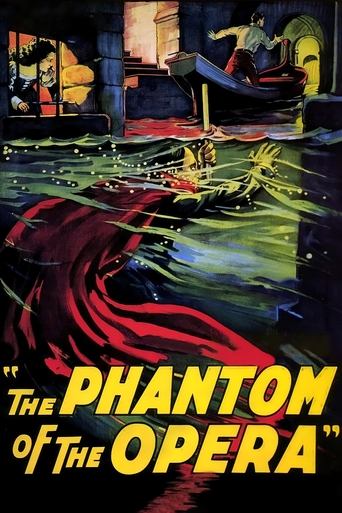
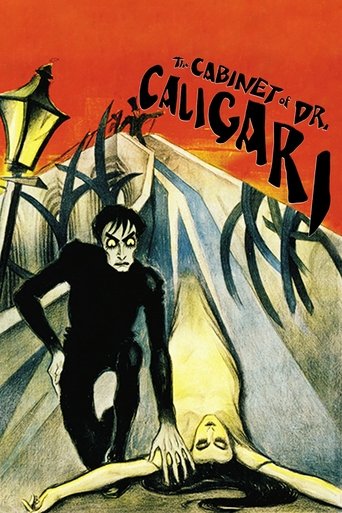
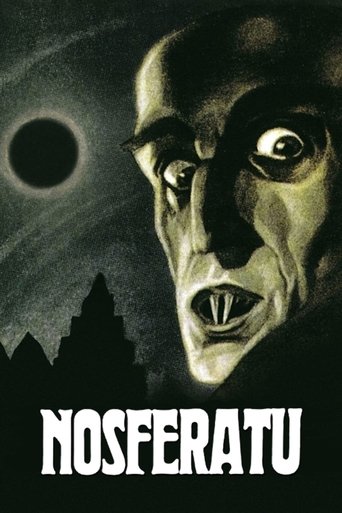
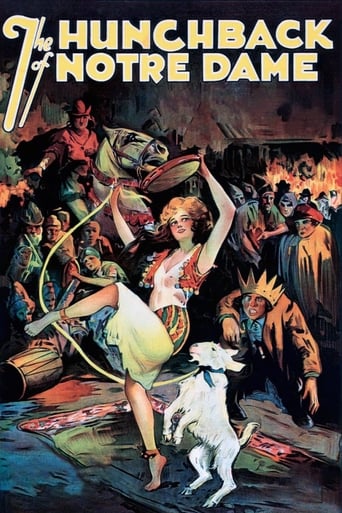
More Drama films
View all →







More from Paul Leni
View all →
More about this film
About the production
Release dateApril 27, 1928
BudgetApproximately $400,000 (a substantial budget for the era)
Box officeThe film was a moderate commercial success, though exact figures are not well documented
ProductionUniversal Pictures
Filmed inUniversal Studios lot, Universal City, California
Conrad Veidt's makeup for the permanent grin was achieved using prosthetics and wire, causing him considerable discomfort during filming. The production invested heavily in elaborate sets to recreate 17th-century England, including detailed reproductions of the House of Lords. Director Paul Leni brought his German Expressionist background to the film's visual style, creating dramatic shadows and atmospheric lighting that enhanced the horror elements. The carnival sequences featured actual circus performers and were filmed on specially constructed sets.
Themes
Social alienation and othernessThe corrupting influence of powerLove transcending physical appearanceClass struggle and social injusticeThe nature of happiness and suffering
Themes & topics
disfigurementcarnivalaristocracytragic romancerevengesocial outcastblindnesscircusinherited titlefacial mutilationgothic horrorexpressionismsilent film17th centuryEngland
Historical background
The Man Who Laughs appeared in 1928, when the late silent period and the transition to sound shaped how movies were financed, distributed, and discussed. Audiences of the day encountered the work amid shifting tastes in acting, pacing, and spectacle. Its focus on when a proud noble refuses to kiss the hand of the despotic king james in 1690, he is cruelly executed and his son surgically disfigured mirrors themes circulating in popular culture of that moment.
Why this film matters
The Man Who Laughs (1928) belongs to the wider archive of world cinema, documenting when a proud noble refuses to kiss the. Archivists and historians value such titles for what they reveal about craft, genre, and audience expectations. Restorations and festival screenings keep the work visible to viewers far beyond its first run.
Making of
The production faced significant challenges in creating the iconic grin for Conrad Veidt's character. Makeup artist Jack Pierce (who later created Frankenstein's monster) developed a complex prosthetic using dental wire and rubber appliances that had to be applied daily for hours. Veidt's commitment to the role was extraordinary - he maintained the pained expression even when cameras weren't rolling, studying people with genuine facial deformities to perfect his performance. Director Paul Leni, known for his meticulous visual style, used innovative camera techniques including dramatic low angles and extensive use of shadows to enhance the Gothic atmosphere. The cast and crew worked in extreme conditions during the winter scenes, with artificial snow causing visibility issues. Mary Philbin, who played the blind Dea, wore special contact lenses that obscured her vision to authentically portray blindness, though this sometimes led to accidents on set.
What critics said
Press coverage from 1928 is fragmentary for many titles of this vintage; surviving notices for The Man Who Laughs tend to stress novelty, star power, or topical appeal. Later writing places the picture within its national and generic context, weighing both period conventions and moments that still land for modern viewers. Streaming and disc releases have revived discussion among classic-film audiences.
Did you know?
- Conrad Veidt's portrayal of Gwynplaine with the permanent grin directly inspired the creation of the Joker character in Batman comics, with Jerry Robinson and Bill Finger citing the film as a major influence.
- The prosthetic makeup used on Veidt was so uncomfortable that he could only eat liquids between takes and suffered from jaw pain throughout the production.
- Director Paul Leni was a prominent figure in German Expressionist cinema before moving to Hollywood, and this film was considered his American masterpiece.
- Mary Philbin also starred in 'The Phantom of the Opera' (1925) opposite Lon Chaney, making her one of the few actresses to star in two major horror films of the silent era.
- The film was based on Victor Hugo's 1869 novel 'L'Homme qui rit,' which Hugo wrote as a critique of aristocratic privilege and social injustice.
- Universal Carl Laemmle Jr. personally greenlit the expensive production, believing it could replicate the success of their earlier horror hits.
- The original cut was reportedly longer, but several scenes were trimmed for release, including some political content that might have been controversial.
- The film's European premiere was delayed due to concerns about its political themes criticizing monarchy.
- A sound version was briefly considered but abandoned as Universal felt the story worked better as a silent film.
- The film was one of the last major silent horror productions before the transition to sound.
Awards & recognition
- No major awards were won, as the film was released before the Academy Awards expanded to include many technical categories
Visual style
The cinematography by Gilbert Warrenton and Hal Mohr showcases the German Expressionist influence that Paul Leni brought from Europe. The film employs dramatic chiaroscuro lighting, with deep shadows and stark contrasts creating a Gothic atmosphere that enhances the horror elements. Innovative camera techniques include sweeping crane shots during the carnival sequences and intimate close-ups that capture the emotional turmoil of the characters. The visual composition frequently uses angular set designs and distorted perspectives to reflect the psychological states of the characters. The film's color-tinted sequences (a common practice in silent films) use amber for warm scenes and blue for night or somber moments, adding emotional resonance to the black and white photography. The cinematography also makes effective use of deep focus to create layered compositions that emphasize the social hierarchies depicted in the story.
Innovations
The film pioneered several technical innovations in makeup effects, with Jack Pierce's prosthetic work on Conrad Veidt representing a breakthrough in creating realistic facial deformities for cinema. The production utilized the then-new Mitchell camera system, allowing for more fluid camera movements that enhanced the expressionistic visual style. The film's elaborate set designs, particularly the recreation of the House of Lords, showcased advances in studio construction techniques. The carnival sequences featured complex rigging systems for aerial shots and stunts. The film also experimented with multiple exposure techniques to create ghostly visual effects that enhanced the supernatural elements of the story. The preservation of the film's nitrate prints has demonstrated remarkable durability, with surviving elements showing excellent detail retention despite the medium's inherent instability.
Music
As a silent film, 'The Man Who Laughs' was originally accompanied by live musical performances in theaters. The original score was composed by William Axt and included themes that corresponded to different characters and emotional moments. Modern restorations have featured newly composed scores by contemporary musicians who specialize in silent film accompaniment. The most acclaimed modern score was composed by Donald Sosin in 2015, which premiered at the San Francisco Silent Film Festival. The music typically features dramatic orchestral arrangements that enhance the Gothic atmosphere, with leitmotifs for Gwynplaine's tragedy and the tender romance between Gwynplaine and Dea. The soundtrack's effectiveness in conveying emotion without dialogue has been praised by modern critics, demonstrating how well the film was constructed for musical accompaniment.
Famous quotes
Why was I born if not to love you? - Gwynplaine to Dea
A man's face is his autobiography. A woman's face is her work of fiction. - Opening title card
Compassion is a luxury of the powerful. - Lord Clancharlie
The world is a comedy to those that think, a tragedy to those that feel. - Intertitle
I am not a monster. I am a man. - Gwynplaine
Memorable scenes
- The opening sequence showing the execution of Lord Clancharlie and the abandonment of his son in the snow
- The horrifying scene of young Gwynplaine being surgically given his permanent grin by Dr. Hardquanonne
- Gwynplaine's first performance as 'The Man Who Laughs' in the carnival, where the audience's laughter turns to horror
- The tender scene where blind Dea touches Gwynplaine's face, feeling his 'smile' without seeing its grotesque nature
- Gwynplaine's dramatic entrance into the House of Lords, where his appearance shocks the aristocrats
- The final scene on the ship where Gwynplaine and Dea embrace, finding acceptance and love away from society
What audiences thought
Initial audience response was mixed, with some viewers finding the film's tone too dark and Veidt's appearance unsettling, while others were captivated by the tragic romance story. The film performed moderately well at the box office, particularly in urban areas where art-house cinema was appreciated. Over time, the film has developed a cult following among classic horror enthusiasts and silent film aficionados. Modern audiences who discover the film often express surprise at its emotional depth and visual sophistication, with many noting how effectively it conveys complex emotions without dialogue. The film has gained renewed interest through its connection to the Joker character, attracting Batman fans to silent cinema. Film festival screenings in recent decades have shown that contemporary audiences respond strongly to its themes of acceptance and love transcending physical appearance.
Film connections
Influenced by
- German Expressionist cinema
- Victor Hugo's novel 'L'Homme qui rit'
- The works of F.W. Murnau
- Universal's earlier horror productions like 'The Hunchback of Notre Dame'
- Gothic literature tradition
- Commedia dell'arte character archetypes
This film influenced
- Batman (through the Joker character)
- Freaks (1932)
- The Phantom of the Opera (various adaptations)
- Sweeney Todd: The Demon Barber of Fleet Street
- The Elephant Man
- The Hunchback of Notre Dame (1939)
- Beauty and the Beast (various adaptations)
- The Dark Knight (Joker's visual design)
Film restoration
The film has been preserved by the Universal Studios film archives and the Library of Congress. A restoration was completed in the 1970s, and a more comprehensive digital restoration was undertaken in 2015 by Universal in collaboration with film preservation organizations. The film survives in its complete form with excellent image quality, though some minor deterioration is visible in certain scenes. The restoration has made the film available on Blu-ray and for theatrical screenings at film festivals. The preservation effort included finding the original camera negatives and combining them with the best available print elements to create the most complete version possible.
Where to watch
- Available on Blu-ray from Universal Studios
- Streaming on The Criterion Channel
- Available for digital rental on Amazon Prime Video and Apple TV
- Occasionally screened at film festivals and classic cinema venues
- Available in some public library collections
- Featured on Turner Classic Movies during silent film programming blocks