Cesare Gravina
Actor
Born: January 23, 1858 in Naples, Italy Died: September 16, 1954 Active: 1915-1929
Films
8 films
About Cesare Gravina
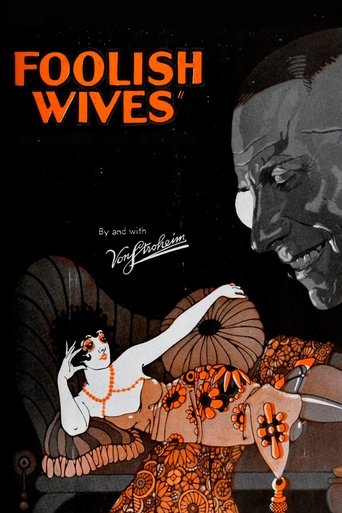
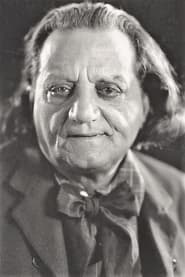
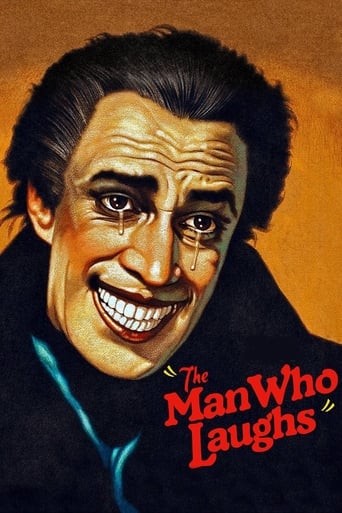
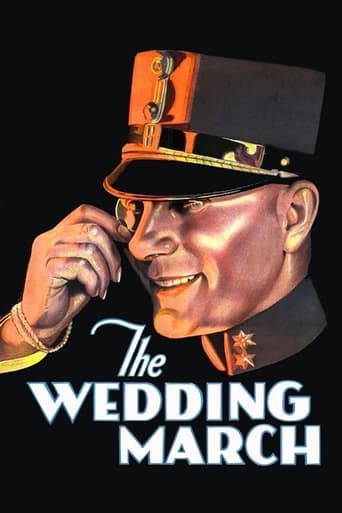
Italian character actor who found considerable success in American silent films during the 1920s. Born in Naples, Italy in 1858, he began his acting career on the European stage before immigrating to the United States and transitioning to film. Gravina's distinctive gaunt features, intense eyes, and commanding presence made him particularly suited for villainous roles and eccentric character parts. He became a favorite collaborator of director Erich von Stroheim, appearing in several of his most celebrated works including 'Foolish Wives' (1922) and 'The Wedding March' (1926). His most memorable performance came as the cruel circus owner in 'The Man Who Laughs' (1928), where his menacing presence provided a perfect counterpoint to Conrad Veidt's tragic hero. Gravina's career was primarily concentrated in the silent era, and like many character actors of his generation, he found fewer opportunities with the advent of sound films. He spent his final years in Los Angeles, where he passed away in 1954 at the age of 96, leaving behind a legacy of memorable performances that continue to be appreciated by silent film enthusiasts.
The Craft
On Screen
Gravina was known for his intense, theatrical acting style that translated powerfully to the silent screen. He employed exaggerated facial expressions and body language to convey emotion, typical of the era but delivered with particular authenticity. His gaunt, angular features and piercing eyes made him naturally suited to portray villains, schemers, and morally ambiguous characters. Gravina had a remarkable ability to communicate menace and cruelty through subtle gestures and glances, making his antagonists particularly memorable and genuinely threatening to audiences.
Milestones
- Breakthrough role in Erich von Stroheim's 'Foolish Wives' (1922)
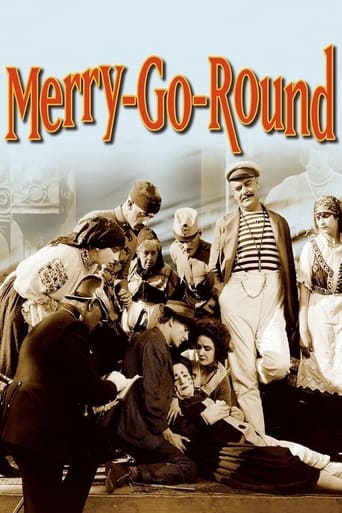
- Memorable performance in 'Merry-Go-Round' (1923) directed by von Stroheim
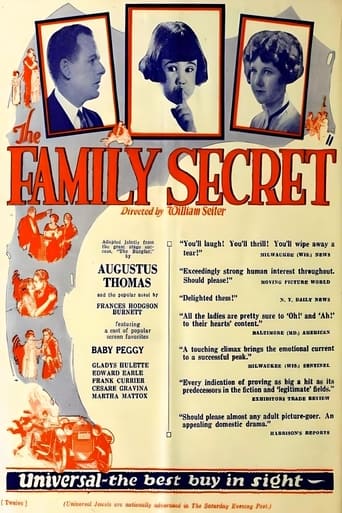
- Key supporting role in 'The Family Secret' (1924)
- Notable appearance in 'The Wedding March' (1926)
- Iconic villainous role as the circus owner in 'The Man Who Laughs' (1928)
Best Known For
Iconic Roles
Must-See Films
Accolades
Special Recognition
- Recognized as
- Remembered for his collaborations with Erich von Stroheim
Working Relationships
Worked Often With
Studios
Why They Matter
Impact on Culture
Cesare Gravina contributed significantly to the golden age of silent cinema by helping establish the archetype of the European villain in American films. His performances alongside Erich von Stroheim helped define the sophisticated, psychologically complex antagonists that would become staples of Hollywood cinema. Gravina's work demonstrated how character actors could elevate supporting roles into memorable performances that enhanced the overall quality of films. His portrayal in 'The Man Who Laughs' particularly influenced how circus and carnival characters would be depicted in subsequent films, contributing to the visual language of cinema. Though often uncredited or underappreciated during his time, modern film scholars recognize Gravina as an important contributor to the artistic achievements of silent film.
Lasting Legacy
Cesare Gravina's legacy endures through his memorable performances in some of the most celebrated silent films of the 1920s. His collaborations with Erich von Stroheim are studied by film scholars as examples of the sophisticated character work possible in silent cinema. Gravina's distinctive appearance and acting style influenced subsequent generations of character actors, particularly those specializing in villainous roles. His performance in 'The Man Who Laughs' remains frequently referenced in discussions of great silent film antagonists. Film preservationists and silent cinema enthusiasts continue to celebrate Gravina's contributions to the art form, ensuring that his work remains accessible to new audiences interested in classic cinema.
Who They Inspired
Gravina influenced the development of character acting in American cinema, particularly for foreign-born actors playing villainous roles. His success demonstrated that European actors could find meaningful careers in Hollywood without needing to be conventional leading men. His work with von Stroheim helped establish a template for director-actor collaborations that prioritized psychological depth and realism. Subsequent character actors, particularly those from European backgrounds, followed in Gravina's footsteps by using their distinctive features and cultural backgrounds to create memorable characterizations. His approach to villainy—combining physical menace with psychological complexity—became a model for actors in similar roles throughout the sound era.
Off Screen
Private individual who kept much of his personal life away from the public eye. He immigrated to the United States from Italy in the early 20th century, seeking opportunities in the burgeoning American film industry. Despite his success in Hollywood, he maintained connections to his Italian heritage throughout his life. Gravina never married and had no children, dedicating himself entirely to his craft. He lived modestly in Los Angeles during his later years, supported by savings from his film career. His longevity allowed him to witness the complete transformation of cinema from silent films to the modern era, though he rarely gave interviews about his experiences.
Education
Trained in classical theater in Italy before transitioning to film acting
Did You Know?
- Was already in his 60s when he began his Hollywood career
- Spoke little English, which was not uncommon for European actors in silent films
- His gaunt appearance was so distinctive that it typecast him in villainous roles
- Worked with some of the most celebrated directors of the silent era
- Lived to be 96 years old, outliving most of his contemporaries
- Despite his success, he was often without on-screen billing in his early films
- His performance in 'The Man Who Laughs' was particularly praised by contemporary critics
- Was one of many European actors who found success in Hollywood after World War I
- Never made a successful transition to sound films due to his age and accent
- His collaborations with von Stroheim are considered among the finest examples of silent film acting
In Their Own Words
No widely documented quotes from Cesare Gravina, as was common for character actors of his era who rarely gave interviews
Frequently Asked Questions
Who was Cesare Gravina?
Italian character with credits in this catalog.
What films is Cesare Gravina best known for?
Titles linked here include The Man Who Laughs (1928), Foolish Wives (1922).
When was Cesare Gravina born and when did he die?
Born January 23, 1858; died September 16, 1954.
What awards did Cesare Gravina win?
Cesare Gravina did not receive any major formal awards during his career, as was common for character actors of the silent era, though his performances have been posthumously recognized by film historians and preservationists.
What was Cesare Gravina's acting style?
Gravina employed an intense, theatrical acting style with exaggerated facial expressions and body language typical of the silent era, using his gaunt features and piercing eyes to create menacing and psychologically complex villainous characters.
Did Cesare Gravina work in sound films?
No, Cesare Gravina's career was primarily concentrated in the silent era, and like many character actors of his generation, he found few opportunities with the advent of sound films due to his age and thick accent.