

The Family Secret
"Secretly marries below station."
Keys: Space play/pause · ←/→ 10s · F fullscreen · M mute · </> speed
About this film
The daughter of a wealthy man secretly marries a man below her station— one whom her father violently disapproves of. The father, in an excess of parental concern, separates the lovers by sending his daughter away so that she might forget her lover, unaware of their married state. After some months, the young mother returns to her family manor and presents her father with his new granddaughter, which causes a most unfortunate scene.
Cast & crew
More films like this
More Drama films
View all →







More from William A. Seiter
View all →


More about this film
About the production
Release dateMarch 24, 1924
ProductionUniversal Pictures
Filmed inUniversal Studios, Universal City, California
The Family Secret was produced during the peak of Baby Peggy's career as especially popular and highest-paid child stars in Hollywood. The film was part of Universal Pictures' strategy to produce family-oriented melodramas that capitalized on Baby Peggy's immense popularity with audiences. The production utilized Universal's extensive backlot facilities to create the opulent family manor setting, contrasting with more modest locations for scenes involving the young husband. The film was shot quickly and efficiently, typical of Universal's production methods during this period, while still maintaining high production values appropriate for a Baby Peggy vehicle.
Themes
Class conflict and social hierarchyParental authority vs. individual choiceTrue love transcending social barriersFamily secrets and revelationsInnocence of childhood amid adult conflicts
Themes & topics
secret marriageclass differencesfalse accusationimprisonmentchildbirthfamily conflictwealthy familydisapproving fatheryoung lovemelodramasilent film1920schild starsocial mobilityparental opposition
Historical background
By 1924, competing studios crowded weekly bills, and The Family Secret had to win attention alongside newsreels and shorts.
Why this film matters
For historians, The Family Secret documents what typical program fare looked like in 1924, not only marquee blockbusters.
Making of
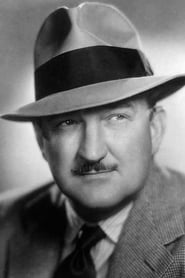
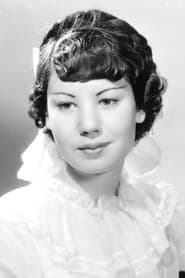
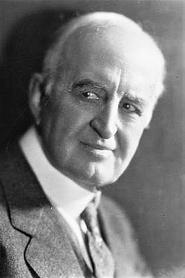
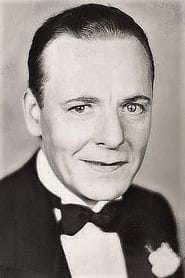
The Family Secret was produced during a particularly prolific period for Baby Peggy, who was making multiple films per year at the height of her popularity. The film's production took advantage of Universal Pictures' efficient studio system, which could turn out quality melodramas quickly while maintaining professional standards. Director William A. Seiter, still relatively early in his career but already establishing his reputation for handling emotional material, worked carefully with the young Baby Peggy to elicit appropriate responses to the dramatic situations. The veteran actors Gladys Hulette and Frank Currier provided professional support and guidance to the child star during emotionally intense scenes. The film's production design emphasized the visual contrast between the wealthy family's opulent lifestyle and the more modest circumstances of the young husband, using set decoration and props to reinforce the class differences central to the story. The production team faced the challenge of making the melodramatic plot elements believable while avoiding excessive sentimentality, a delicate balance that was crucial for the film's success with contemporary audiences.
What critics said
Press files from 1924 rarely give The Family Secret extended review space; mentions appear in roundup columns.
Did you know?
- Baby Peggy (Peggy-Jean Montgomery) was one of the highest-paid Hollywood stars of her time, earning an estimated $1.5 million by 1924, equivalent to over $20 million in today's currency.
- The film was released when Baby Peggy was receiving approximately 1.2 million fan letters per month, demonstrating her extraordinary popularity with audiences.
- Director William A. Seiter would go on to direct over 130 films in his career, including successful sound comedies starring stars like Laurel and Hardy and the Marx Brothers.
- Gladys Hulette, who played the mother, had been acting in films since 1911 and was considered among the leading reliable character actresses of the silent era.
- The film's themes of class conflict and parental opposition to marriage reflected real social tensions in 1920s America as traditional hierarchies were being challenged.
- Baby Peggy's career declined dramatically by the late 1920s partly due to her father's mismanagement of her earnings and conflicts with studio executives over her salary.
- Universal Pictures heavily promoted the film using Baby Peggy's image, capitalizing on her nickname 'The Million Dollar Baby' in marketing materials.
- Frank Currier, who played the disapproving father, appeared in over 200 films between 1912 and 1928, often playing authority figures and patriarchal roles.
- The film was one of several Baby Peggy vehicles that dealt with family dynamics and children caught in the midst of adult conflicts and moral dilemmas.
- The production took place during a transitional period in Hollywood when studios were becoming increasingly sophisticated in their storytelling techniques and production values.
Visual style
The cinematography of The Family Secret employed standard techniques of mid-1920s silent melodramas, with careful attention to lighting design to enhance the emotional impact of key scenes. The film utilized the sophisticated lighting equipment available to major studios by this time, allowing for nuanced visual storytelling through the strategic use of shadows and highlights. The wealthy family's interiors were shot with soft, glamorous lighting to convey their social status and refinement, while scenes involving the young husband employed more naturalistic lighting to emphasize his more modest circumstances. Camera work was relatively static by modern standards but included deliberate movement to follow the action during emotional sequences and to emphasize dramatic moments. The film's visual style prioritized facial expressions and body language, crucial for conveying emotion in silent cinema, with careful composition of shots to ensure that actors' performances could be clearly read by audiences. The cinematography also made effective use of the studio's backlot facilities to create convincing exterior scenes that supported the narrative.
Innovations
The Family Secret did not introduce major technical innovations but represented solid craftsmanship typical of Universal Pictures' productions in 1924. The film employed the standard 35mm film format and the typical shooting speeds of the era, approximately 16-18 frames per second. The production utilized the increasingly sophisticated lighting equipment available to major studios by the mid-1920s, allowing for more nuanced visual storytelling than earlier films from the silent era. The film's editing followed the continuity editing practices that had become standard by this time, with clear narrative progression and emotional pacing that helped audiences follow the story without dialogue. The makeup and costume design effectively communicated the class differences central to the story, with careful attention to period details and social indicators. While not groundbreaking technically, the film demonstrated the professional polish and technical competence that major studios had achieved in silent film production by the mid-1920s, representing the state of the art in Hollywood filmmaking of its time.
Music
As a silent film, The Family Secret would have been accompanied by live musical performance during its original theatrical run in 1924. The score would typically have been provided by the theater's organist or pianist, using compiled music appropriate to the film's emotional tone and dramatic moments. Universal Pictures likely distributed cue sheets with suggested musical selections for theaters to use, ensuring consistency in the musical accompaniment across different venues. The music would have ranged from romantic themes for the young lovers to dramatic, dissonant passages during conflict scenes, and gentle, melodic pieces for sequences involving Baby Peggy. Larger theaters in major cities might have employed small orchestras for more elaborate presentations, while smaller venues would have relied on piano accompaniment. The original compiled score has not survived, as was typical for silent films of this period, but contemporary reviews suggest that the musical accompaniment effectively enhanced the film's emotional impact and dramatic moments.
Famous quotes
No dialogue available for this silent film
Memorable scenes
- The emotional confrontation when the daughter returns home with her baby, dramatically revealing the truth of her secret marriage to her horrified father
- The tender scenes between the young mother and her infant daughter, highlighting childhood innocence amid adult conflicts
- The dramatic sequence where the father falsely accuses his son-in-law of theft, leading to the unjust imprisonment
- The opening scenes establishing the class differences between the lovers and setting up the central conflict
- The final resolution where family bonds are tested and ultimately reaffirmed through the power of love and forgiveness
What audiences thought
The Family Secret performed well at the box office, benefiting significantly from Baby Peggy's immense popularity with audiences in 1924. The film's themes of family conflict and the innocent child caught between warring adults resonated strongly with contemporary viewers, many of whom could relate to the generational tensions depicted in the story. Audience reaction to Baby Peggy's scenes was reportedly enthusiastic, with many theatergoers particularly moved by sequences involving the young character caught in adult conflicts beyond her understanding. The film's release timing capitalized on the public's fascination with child stars, which was at its peak during the mid-1920s as audiences sought wholesome entertainment in the post-war period. While specific box office figures are not available, the film was considered successful enough to warrant wide distribution across the United States and helped maintain Universal Pictures' reputation for producing quality family entertainment that appealed to both children and adults.
Film connections
Influenced by
- Traditional family melodramas of the early 1920s
- Literary traditions of class conflict narratives
- 19th century theatrical melodrama conventions
- D.W. Griffith's emotional storytelling techniques
- Contemporary stage plays dealing with social issues
This film influenced
- Later Universal family melodramas of the 1920s
- Other Baby Peggy vehicles with similar themes
- Sound era remakes of silent melodramas
- Hollywood family dramas of the 1930s
Film restoration
The preservation status of The Family Secret (1924) is uncertain, as many silent films from this period have been lost due to the volatile nature of early film stock and neglect during the transition to sound. The film is not widely available in commercial or archival collections, suggesting it may be among the many silent features that have not survived the passage of time. However, complete records of its production, contemporary reviews, and promotional materials exist, providing documentation of the film's existence and content. Film preservation organizations continue to search for lost silent films in archives and private collections worldwide, so copies may yet be discovered in unexpected places. The lack of available prints or digital transfers indicates the film is either lost or exists only in incomplete form in specialized archives, though it is listed in film databases and historical records of Universal Pictures' output.
Where to watch
- Currently not commercially available due to uncertain preservation status
- May be accessible through specialized film archives such as the Library of Congress or UCLA Film & Television Archive
- Potential screenings at classic film festivals or museums with extensive silent film collections
- Check with the Universal Studios archives for any existing prints or materials
- Monitor film preservation websites like the Silent Hall of Fame for any restoration announcements or discoveries
- Contact silent film societies or the Baby Peggy fan community for information about private collections or rare screenings