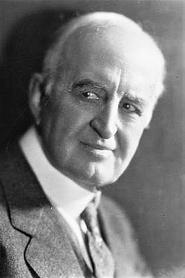
Frank Currier
Actor
Born: July 15, 1857 in New Haven, Connecticut, USA Died: April 22, 1928 Active: 1912-1928
Films
8 films

About Frank Currier
American character actor of the silent film era — known for his authoritative presence and versatile supporting roles. Born in 1857 in New Haven, Connecticut, Currier began his film career relatively late in life, making his screen debut in 1912 at the age of 55. Over the course of his 16-year career, he appeared in more than 60 films, often portraying judges, doctors, clergymen, and other figures of authority with remarkable gravitas and dignity. His tall, dignified bearing and commanding screen presence made him a favorite among directors seeking reliable character actors. Currier worked with many of the biggest stars of the silent era, including Alla Nazimova, Ramon Novarro, Marion Davies, and Lon Chaney. Frank appears in several major productions such as 'Ben-Hur: A Tale of the Christ' (1925), 'The Phantom of the Opera' (1925), and 'Don Juan' (1926). His career came to an end with his death in 1928, just as the transition to sound films was beginning, leaving behind a legacy of memorable character performances that helped define the silent era's supporting cast landscape.
The Craft
On Screen
Frank Currier was known for his dignified and authoritative acting style, bringing gravitas to every role he portrayed. His performances were characterized by a commanding presence and natural authority, making him perfectly suited for roles as judges, doctors, clergymen, and other figures of respect. Unlike many silent era actors who relied heavily on exaggerated gestures, Currier employed a more subtle and realistic approach, using his imposing stature and expressive eyes to convey emotion. His technique demonstrated the transition from theatrical to cinematic acting, showing restraint while still maintaining the dramatic intensity required for silent film performance.
Milestones
- Film debut in 1912 at age 55
- Appeared in over 60 silent films
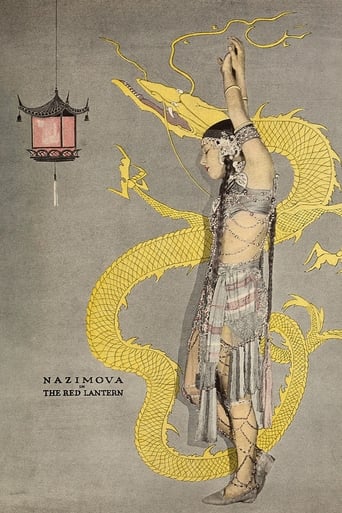
- Featured role in 'The Red Lantern' (1919)
- Supporting role in 'Ben-Hur: A Tale of the Christ' (1925)
- Appeared in 'The Phantom of the Opera' (1925)
- Cast in 'Don Juan' (1926), one of the first films with a synchronized musical score
Best Known For
Iconic Roles
Must-See Films
Working Relationships
Worked Often With
Studios
Why They Matter
Impact on Culture
Frank Currier contributed significantly to the development of character acting in silent cinema, helping establish the archetype of the dignified authority figure that would become a staple in Hollywood films. His work demonstrated the importance of reliable supporting actors in creating believable cinematic worlds, and his ability to bring depth to relatively small roles set a standard for future character actors. Currier's presence in major productions of the 1920s helped legitimize the importance of ensemble casting, showing how skilled supporting actors could elevate the overall quality of a film. His career also represented the transition from stage to screen acting, bringing theatrical gravitas to the new medium of cinema.
Lasting Legacy
Frank Currier's legacy lies in his contributions to silent film character acting and his role in establishing the archetype of the authoritative supporting character. Though not a star in the traditional sense, his consistent performances across dozens of films helped shape the visual language of silent cinema. His work in major productions like 'Ben-Hur' and 'The Phantom of the Opera' ensures that his performances survive as part of cinema history. Currier represents the generation of actors who bridged the gap between 19th-century theater and 20th-century film, bringing classical acting techniques to the new medium and helping establish the craft of film acting.
Who They Inspired
Frank Currier influenced subsequent generations of character actors through his demonstration of how to bring dignity and authenticity to supporting roles. His naturalistic approach within the constraints of silent film acting showed younger actors how to convey authority and wisdom without relying on melodramatic gestures. His career path, beginning in theater and transitioning to film later in life, provided a model for other stage actors looking to enter the burgeoning film industry. The authority figures he portrayed became templates for similar characters throughout Hollywood's Golden Age, influencing how directors and writers conceived of and wrote supporting characters.
Off Screen
Frank Currier maintained a relatively private personal life away from the Hollywood spotlight. He began his acting career in the theater before transitioning to films in his fifties, bringing with him years of stage experience. His late entry into cinema made him somewhat unusual among his contemporaries, many of whom began their film careers much younger. Currier was married and had children, though details about his family life remain scarce in historical records. His death in 1928 at the age of 70 marked the end of a career that, while relatively brief in cinematic terms, left a significant impact on silent film character acting.
Education
Educational background not extensively documented, likely had theatrical training
Family
- Unknown (marriage details not extensively documented)
Did You Know?
- Began his film career at age 55, making him one of the oldest debut actors in silent cinema
- Appeared in over 60 films in just 16 years
- Often played characters much older than his actual age due to his dignified appearance
- Worked with both Alla Nazimova and her husband Charles Bryant in separate productions
- His death in 1928 meant he never appeared in a sound film
- Was a stage actor for over 30 years before entering films
- Often cast as a clergyman, appearing as a priest or minister in at least 8 films
- Worked with legendary director Rex Ingram on multiple occasions
- Appeared in 'Ben-Hur' (1925),
- His final film 'The Showdown' (1928) was released posthumously
In Their Own Words
No extensive quotes are documented, as was common for supporting actors of the silent era who rarely gave interviews or maintained public personas
Frequently Asked Questions
Who was Frank Currier?
American character with credits in this catalog.
What films is Frank Currier best known for?
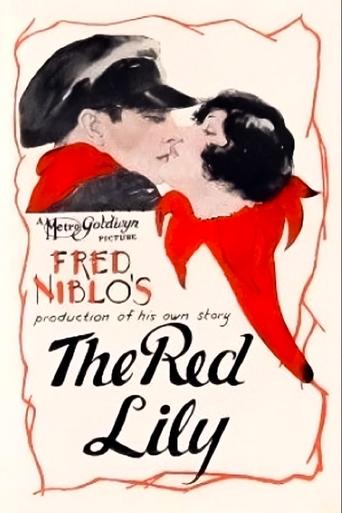
Titles linked here include The Red Lantern (1919), The Red Lily (1924).
When was Frank Currier born and when did he die?
Born July 15, 1857; died April 22, 1928.
What awards did Frank Currier win?
Frank Currier did not receive any major formal awards during his career, as was common for supporting character actors in the silent era before the establishment of many acting awards.
What was Frank Currier's acting style?
Frank Currier's acting style was characterized by dignity and authority, using a naturalistic approach with minimal exaggerated gestures, bringing gravitas to supporting roles through his commanding presence and expressive performance.
How old was Frank Currier when he started his film career?
Frank Currier was 55 years old when he began his film career in 1912, making him one of the oldest actors to debut in silent cinema.
Did Frank Currier appear in any sound films?
No, Frank Currier did not appear in any sound films as he died in 1928, just as the transition to sound films was beginning in Hollywood.
What was Frank Currier's background before acting in films?
Before entering films, Frank Currier had an extensive career in theater spanning over 30 years, which provided him with the acting foundation that made him successful in silent cinema.