

The Red Lily
"Jean and Marise, young lovers forced from their homes, flee to Paris"
Keys: Space play/pause · ←/→ 10s · F fullscreen · M mute · </> speed
About this film
Jean and Marise, young lovers forced from their homes, flee to Paris. Irrevocably separated there, their lives deviate into the slums and hard labor of low-class French society. All the while, the two desperately search for one another.
Cast & crew
More films like this
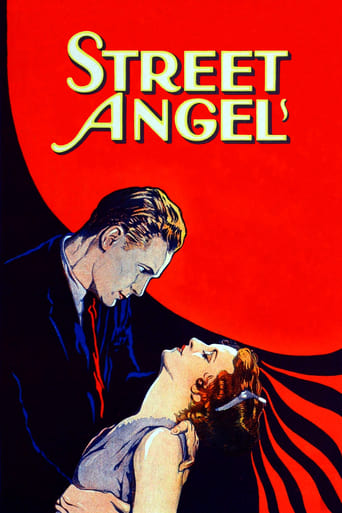
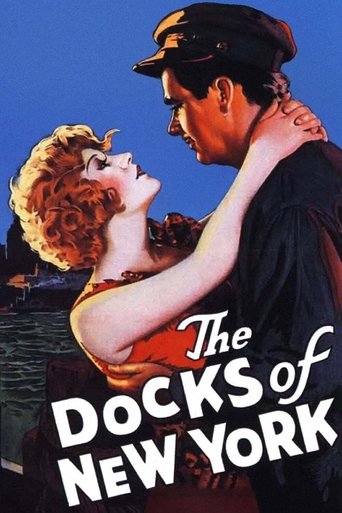
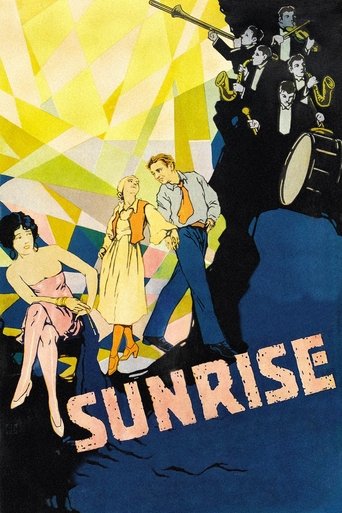
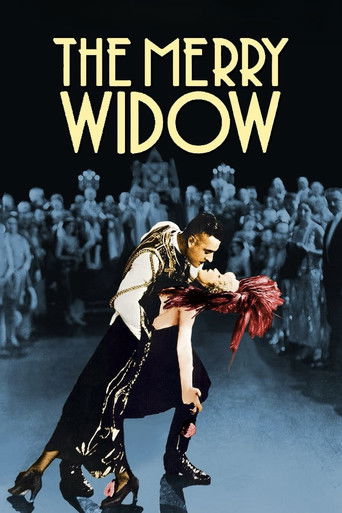

More Crime films
View all →


More from Fred Niblo
View all →
More about this film
About the production
Release dateSeptember 7, 1924
BudgetSpecific budget information not documented in historical records
Box officeDetailed box office figures for 1924 films are not well-documented by modern standards
ProductionMetro-Goldwyn Pictures Corporation (MGM)
Filmed inMGM Studios in Culver City, California
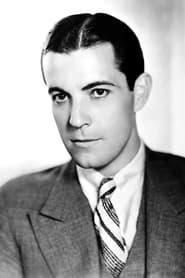
This was one of Ramon Novarro's early starring roles at MGM, helping establish him as a major leading man. The film was adapted from the French novel 'Le Lys Rouge' by Anatole France, though significantly altered for the screen. Director Fred Niblo was married to star Enid Bennett, making this a professional collaboration between spouses. The production featured elaborate sets designed to replicate Parisian locations, requiring significant investment from MGM.
Themes
Corruption of innocence by urban lifeDestructive power of misunderstandingTragic consequences of social forces beyond individual controlHow good people can be led astray by circumstances and environmentImpossibility of recapturing lost love and innocence
Themes & topics
Parispovertyseparationlost loveurban corruptioncrimeprostitutionmisunderstandingtragedysocial commentaryclass struggleredemptioninnocence lostcriminal underworlddespairsearchreunionmoral corruptionsocial forcesfate
Historical background
Silent-era production in 1924 relied on intertitles, live accompaniment, and studio systems that were rapidly consolidating into national industries.
Why this film matters
The Red Lily remains part of the screen heritage of its era, offering evidence of prevailing genres, production methods, and audience tastes. Later revivals, archive screenings, and digitization have kept such titles accessible to researchers and dedicated viewers long after their first commercial runs.
Making of
The production of 'The Red Lily' faced several challenges during its creation. Director Fred Niblo, working with his wife Enid Bennett in the lead role, had to navigate the professional dynamics of directing his spouse. The film's depiction of Parisian slums required extensive set construction on the MGM backlot, with art directors creating elaborate facades and streets to simulate the French capital's poorer districts. Ramon Novarro, still relatively new to leading man status, underwent extensive preparation for his role as a man descending into criminal life, including studying the mannerisms of actual street criminals. The film's more controversial elements, including hints of prostitution and criminal activity, had to be handled carefully to appease the still-evolving censorship standards of the time. The production coincided with MGM's establishment as a major studio, and the film's moderate success helped solidify the studio's reputation for producing sophisticated dramatic content.
What critics said
Trade and newspaper reviews from the silent period for The Red Lily survive only in fragments, making precise reception history difficult to reconstruct. Modern assessment tends to emphasize historical value, craft, and cultural context rather than box-office performance.
Did you know?
- The Red Lily was adapted from the 1894 French novel 'Le Lys Rouge' by Anatole France, though the film adaptation significantly altered the original story
- This was one of the first films where Ramon Novarro received top billing, helping cement his status as a major MGM star
- Director Fred Niblo was married to actress Enid Bennett, who starred in this film, making this a professional collaboration between spouses
- The film's title refers to a symbolic red lily that appears in the story, representing the corruption of innocence
- Despite being set in France, the entire film was shot on MGM's backlot in California
- The film was considered quite daring for its time due to its depiction of urban poverty, prostitution, and criminal underworld
- The Red Lily was one of several films in 1924 that explored the darker side of urban life, reflecting growing concerns about rapid urbanization in America
- The film featured elaborate sets designed to recreate the Parisian slums, costing MGM a significant amount for the production
- Contemporary reviews praised the film's realism in depicting urban poverty, though some critics found the story overly melodramatic
- This was one of the last films Enid Bennett made before her retirement from acting in the late 1920s
Visual style
The cinematography of 'The Red Lily' was handled by William H. Daniels, who would later become renowned for his work with Greta Garbo. Daniels employed sophisticated lighting techniques to create the film's distinctive atmosphere, using deep shadows and high-contrast lighting to emphasize the story's dark themes. The Parisian street scenes were particularly notable for their visual richness, with Daniels using multiple light sources to create depth and dimension in the studio-built sets. The film featured several innovative camera movements for its time, including tracking shots that followed characters through the labyrinthine streets of the recreated Paris slums. Daniels also used close-ups effectively to capture the emotional states of the characters, particularly during moments of despair and longing. The visual style of 'The Red Lily' contributed significantly to its reputation as a sophisticated, artistic production.
Innovations
'The Red Lily' showcased several technical achievements typical of MGM's productions in the mid-1920s. The film's elaborate set construction for the Parisian slums represented a significant investment in production design, with MGM's art department creating detailed, believable environments that enhanced the story's realism. The cinematography employed advanced lighting techniques for the period, using multiple light sources to create depth and atmosphere in the studio sets. The film also featured relatively sophisticated special effects for its time, including matte paintings and composite shots to expand the apparent scope of the Parisian settings. The production quality reflected MGM's commitment to high production values as the studio established its reputation for quality filmmaking. While not groundbreaking in technical innovation, 'The Red Lily' demonstrated the increasing sophistication of Hollywood filmmaking techniques in the mid-1920s.
Music
As a silent film, 'The Red Lily' would have been accompanied by live musical performance during its original theatrical run. The specific musical score composed for the film is not well-documented in historical records, which was common for silent films of this era. Most theaters would have used either compiled scores (selections of classical and popular music) or original compositions by their house musicians. The mood of the film would have required dramatic, romantic, and melancholic musical accompaniment to enhance its emotional impact. Some larger theaters might have used cue sheets provided by MGM, suggesting appropriate musical pieces for various scenes. The lack of surviving documentation about the film's original musical accompaniment makes it difficult to reconstruct the complete auditory experience of 'The Red Lily' as originally presented to audiences.
Famous quotes
In the great city, fate separated them as a storm separates leaves
Each believed the other had forgotten
The streets of Paris have no mercy for the innocent
Love, once lost, can never be regained in the same form
Memorable scenes
- The separation scene in the chaotic streets of Paris, with the camera cutting between their desperate searches for each other amidst crowds of indifferent strangers
- Marise's descent into poverty, depicted through a series of vignettes showing her increasingly desperate circumstances
- The final reunion between the two lovers, particularly poignant for its portrayal of how time and experience have fundamentally changed both characters
- The scenes depicting the Parisian criminal underworld, notable for their realistic depiction of urban danger and moral compromise
What audiences thought
Audience response to 'The Red Lily' was moderate, with the film achieving reasonable box office success without becoming a major hit. The tragic storyline and dark themes may have limited its popular appeal compared to more optimistic fare of the era. However, Ramon Novarro's growing popularity as a romantic leading man helped attract viewers, particularly female audiences. The film's Parisian setting and sophisticated source material appealed to middle-class audiences seeking more cultured entertainment options. While not as commercially successful as some of MGM's other productions from 1924, the film performed well enough to be considered a worthwhile investment for the studio. Contemporary audience reactions, as recorded in trade publications, suggest that viewers were particularly moved by the film's emotional climax and the chemistry between Novarro and Bennett.
Film connections
Influenced by
- Anatole France's novel 'Le Lys Rouge' representing French literary tradition of social realism
- Growing trend in American cinema toward socially conscious storytelling addressing contemporary issues
- German Expressionist cinema, particularly in use of dramatic lighting and shadow
- European literary traditions of moral critique and social commentary
- American naturalism in literature and drama focusing on social determinism
This film influenced
- The Crowd (1928)
- Street Angel (1928)
- The Docks of New York (1928)
- The Wind (1928)
- The Scarlet Letter (1926)
Film restoration
'The Red Lily' is believed to be a lost film, with no complete copies known to exist in modern film archives. This is unfortunately common for films from the silent era, with an estimated 75% of American silent films considered lost. Some reports suggest that fragments or short sequences from the film may survive in private collections or film archives, but a complete version has not been located. The loss of 'The Red Lily' represents a significant gap in the filmography of both Ramon Novarro and director Fred Niblo. Film preservation organizations continue to search for missing films from this period, hoping that complete copies may yet be discovered in unexpected locations such as private collections, foreign archives, or forgotten vaults.
Where to watch
- Due to its status as a lost film, 'The Red Lily' is not currently available for viewing through any commercial or archival channels. No complete copies are known to exist in major film archives. Film enthusiasts interested in the work of Ramon Novarro can view his surviving films such as 'Ben-Hur' (1925), 'The Merry Widow' (1925), and 'The Pagan' (1929), which are available through various streaming services and home video releases. Those interested in director Fred Niblo's work can watch his surviving films including 'The Mark of Zorro' (1920) and 'Ben-Hur' (1925).