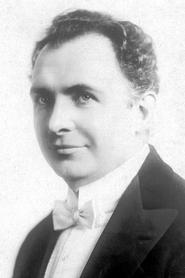
George Periolat
Actor
Born: February 1, 1866 in Paris, France Died: February 20, 1930 Active: 1915-1930 Birth Name: Georges Periolat
Films
6 films
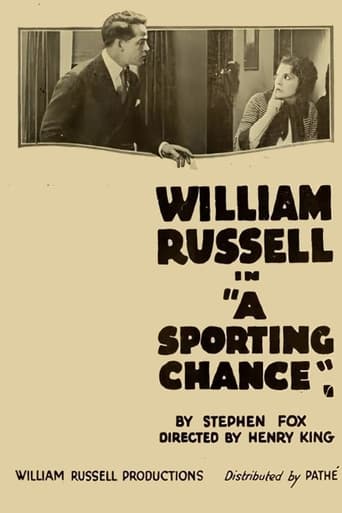
About George Periolat
character actor of the silent film era — known for his commanding presence and versatility in supporting roles. Born in France, he immigrated to the United States and began his acting career on the stage before transitioning to motion pictures in the 1910s. Periolat quickly established himself as a reliable character actor, often portraying authority figures, aristocrats, or villains in numerous productions. His most notable work came during the early 1920s when he appeared alongside major stars like Douglas Fairbanks and Ramon Novarro in some of the era's most prestigious productions. He worked with prominent directors of the time, including Fred Niblo and Rex Ingram, showcasing his ability to adapt to various dramatic requirements. Despite his consistent work and memorable performances, Periolat remained primarily a supporting player rather than a leading man. His the transitional period of American cinema, from the early silent features through the establishment of the studio system, before his untimely death in 1930 cut short a productive career.
The Craft
On Screen
Periolat was known for his dignified and authoritative screen presence, often bringing gravitas to supporting roles. His theatrical background informed his expressive yet controlled acting style, which was well-suited to the demands of silent cinema. He excelled at portraying aristocrats, military officers, and men of authority, using subtle gestures and facial expressions to convey character depth. His performances were marked by a certain European sophistication and refinement that set him apart from many of his American contemporaries.
Milestones
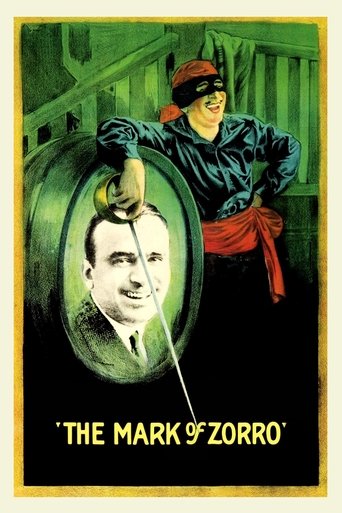
- Appeared in Douglas Fairbanks' The Mark of Zorro (1920)
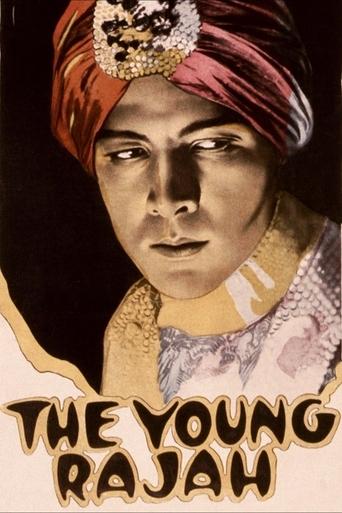
- Co-starred with Rudolph Valentino in The Young Rajah (1922)
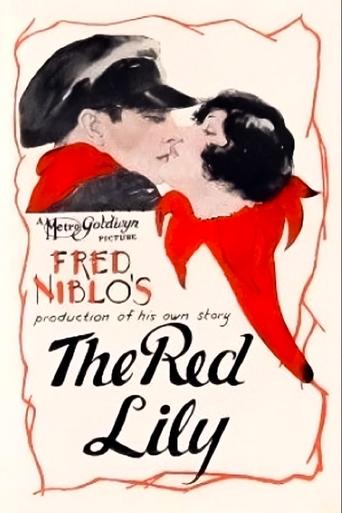
- Featured in Fred Niblo's The Red Lily (1924)
- Prolific character actor with over 100 film credits
- Transitioned successfully from stage to silent film
Best Known For
Iconic Roles
Must-See Films
Working Relationships
Worked Often With
Studios
Why They Matter
Impact on Culture
George Periolat contributed to the golden age of silent cinema by providing reliable, sophisticated character performances that elevated many major productions of the era. His work in films like 'The Mark of Zorro' helped establish the visual language of the swashbuckling genre, where his dignified presence provided crucial contrast to the more athletic leading men. As a French-born actor who successfully transitioned to Hollywood, he was part of the internationalization of American cinema during the silent era, bringing European theatrical traditions to American film. His performances in historical and adventure films helped create the template for the character actor as a crucial supporting element in star-driven vehicles.
Lasting Legacy
George Periolat's legacy lies in his substantial body of work as one of the silent era's most reliable character actors. Though he never achieved leading man status, his contributions to over 100 films helped establish the importance of skilled supporting performances in Hollywood productions. His appearances in landmark films like 'The Mark of Zorro' ensure that his work continues to be viewed by new generations of classic film enthusiasts. He represents the generation of European-trained actors who brought sophistication and depth to American cinema during its formative years. His career trajectory from stage to film mirrors the broader development of the film industry itself, from its theatrical origins to its emergence as a distinct art form.
Who They Inspired
Periolat influenced subsequent generations of character actors by demonstrating how supporting roles could be elevated through dignified, nuanced performances. His work in historical and adventure films helped establish archetypes for authority figures and aristocrats that would be emulated by later actors. His success as a foreign-born actor in Hollywood paved the way for other international performers to find success in American cinema. The professionalism and consistency he brought to his numerous roles set a standard for character actors in the studio system era.
Off Screen
George Periolat was born in Paris, France, and immigrated to the United States in the late 19th century. He married actress Catherine P. Tate, with whom he frequently appeared on stage before transitioning to films. The couple had one child together. Periolat was known in Hollywood circles for his cultured demeanor and his ability to speak multiple languages, which likely contributed to his casting in various international roles. He maintained a relatively private personal life despite his extensive film career.
Education
Educated in France; theatrical training in Paris before immigrating to the United States
Family
- Catherine P. Tate (1900-1930)
Did You Know?
- Born in Paris but became a naturalized American citizen
- Began his career on the legitimate stage before transitioning to films
- Often cast as aristocrats or authority figures due to his dignified bearing
- Appeared in over 100 films during his 15-year film career
- Worked with many of the biggest stars of the silent era including Douglas Fairbanks and Rudolph Valentino
- Was fluent in both French and English, which helped him secure various roles
- His death in 1930 meant he never appeared in sound films
- His wife Catherine P. Tate was also an actress who appeared in several of his films
- Often credited simply as 'George Periolat' though his birth name was 'Georges'
- Part of the wave of European actors who found success in early Hollywood
In Their Own Words
The art of acting in pictures requires not just expression, but restraint - the camera sees what the stage cannot.
Frequently Asked Questions
Who was George Periolat?
French-American character with credits in this catalog. With over 100 film credits, he was one of Hollywood's most reliable character actors of the 1920s.
What films is George Periolat best known for?
Titles linked here include The Mark of Zorro (1920), The Young Rajah (1922).
When was George Periolat born and when did he die?
Born February 1, 1866; died February 20, 1930.
What awards did George Periolat win?
George Periolat did not receive any major awards during his career, which was common for character actors of the silent era. The Academy Awards were not established until 1929, near the end of his career, and supporting actor categories were not introduced until later.
What was George Periolat's acting style?
Periolat was known for his dignified, authoritative acting style honed from his theatrical background. He excelled at portraying aristocrats, military officers, and men of authority using subtle gestures and refined expressions typical of European theatrical training, which translated well to the demands of silent cinema.
Did George Periolat work with any famous directors?
Yes, George Periolat worked with several prominent silent era directors including Fred Niblo ('The Mark of Zorro', 'The Red Lily'), Rex Ingram, and Allan Dwan. These collaborations helped establish his reputation as a reliable character actor in major studio productions.