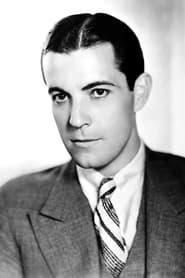
Ramon Novarro
Actor
Born: February 6, 1899 in Durango, Mexico Died: October 30, 1968 Active: 1917-1960 Birth Name: José Ramón Gil Samaniego
Films
10 films
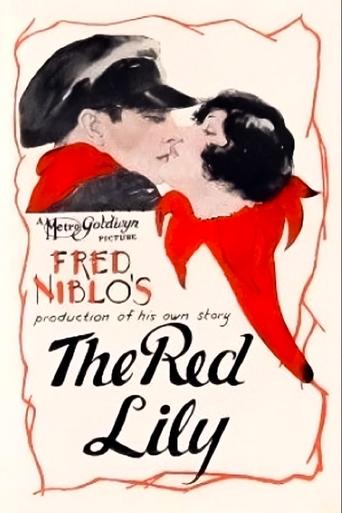
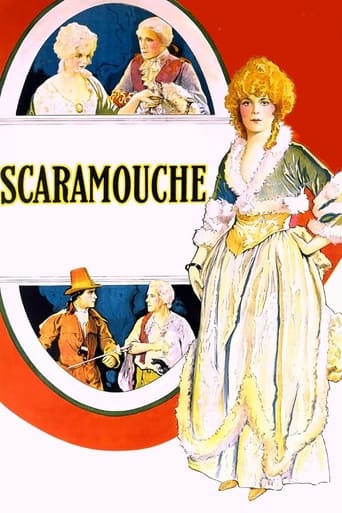
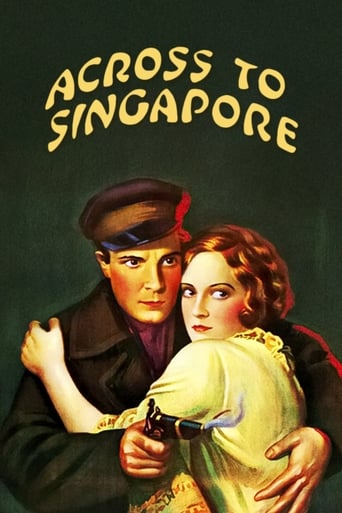


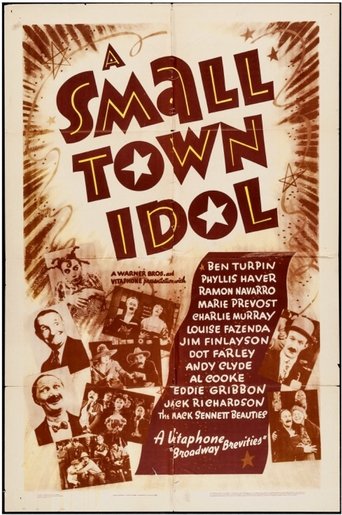
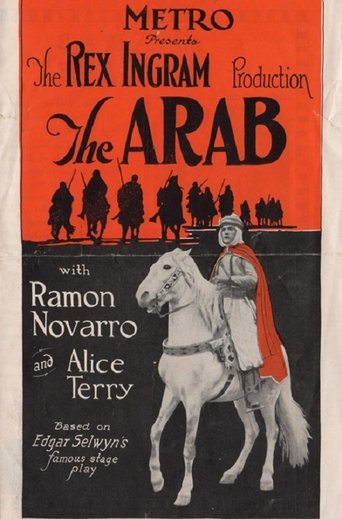
About Ramon Novarro
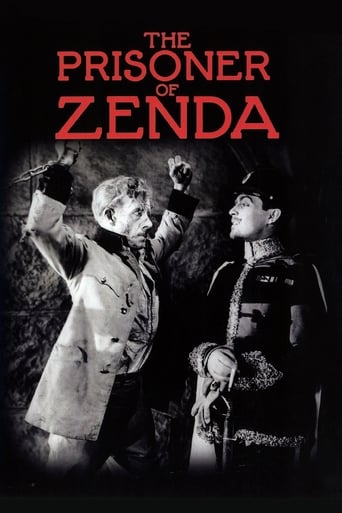
Ramon Novarro, born José Ramón Gil Samaniego, was leading men of the silent era and a major star for MGM during the 1920s. Born in Durango, Mexico, his family fled to Los Angeles during the Mexican Revolution, where he began his film career as an extra in 1917. Discovered by director Rex Ingram, Novarro achieved stardom with his role in 'The Prisoner of Zenda' (1922) and became an international sensation with his portrayal of Judah Ben-Hur in the epic 1925 film 'Ben-Hur: A Tale of the Christ.' Often compared to Rudolph Valentino as a 'Latin Lover,' Novarro successfully transitioned to talkies but his career waned in the 1930s due to changing audience preferences and his selective approach to roles. He continued acting in smaller character roles through the 1940s and 1950s, while also pursuing interests in music, art, and real estate investment. Tragically, his life ended violently on October 30, 1968, when he was murdered by two brothers he had hired as escorts, a crime that shocked Hollywood and highlighted the dangers faced by closeted celebrities of his era.
The Craft
On Screen
Novarro was known for his romantic, passionate acting style that embodied the Latin lover archetype of the silent era. His performances combined intense emotional expressiveness with a refined, aristocratic bearing, making him particularly effective in historical and romantic roles. Unlike many silent stars who struggled with the transition to sound, Novarro possessed a pleasant singing voice and clear diction, allowing him to successfully adapt his theatrical style to talking pictures. His acting emphasized subtle facial expressions and body language, characteristic of the best silent film performers, while bringing a naturalistic quality that resonated with audiences.
Milestones
- Breakthrough role in 'The Prisoner of Zenda' (1922)
- Star of the epic 'Ben-Hur: A Tale of the Christ' (1925)
- Successful transition to sound with 'In Gay Madrid' (1930)
- Leading roles in 'Mata Hari' (1931) opposite Greta Garbo
- Continued character acting career through the 1950s
Best Known For
Iconic Roles
Must-See Films
Accolades
Special Recognition
- Hollywood Walk of Fame Star (6350 Hollywood Boulevard)
- Legacy as one of MGM's biggest stars of the 1920s
Working Relationships
Worked Often With
Studios
Why They Matter
Impact on Culture
Ramon Novarro played a significant role in breaking ethnic barriers in Hollywood, becoming one of the first Latino actors to achieve major stardom in American cinema. Unlike many ethnic actors of his era who were forced to change their names and hide their backgrounds, Novarro maintained his Hispanic identity while achieving mainstream success. His success paved the way for future Latino actors in Hollywood and challenged stereotypes about leading men in American cinema. Novarro's portrayal of complex, heroic characters like Ben-Hur helped demonstrate that actors of Mexican heritage could carry major Hollywood productions and appeal to diverse audiences.
Lasting Legacy
Ramon Novarro's legacy endures as one of the silent era's most talented and tragic figures. His performance in 'Ben-Hur' remains one of the defining roles of silent cinema, showcasing his ability to convey deep emotion and physical prowess. As a Latino star, he opened doors for subsequent generations of Hispanic actors in Hollywood. His tragic death also serves as a sobering reminder of the dangers faced by LGBTQ+ individuals during the mid-20th century. Novarro's films continue to be studied and appreciated by film historians and silent cinema enthusiasts, with his work representing the pinnacle of romantic leading man performances from the golden age of Hollywood.
Who They Inspired
Novarro influenced subsequent generations of Latino actors, including Ricardo Montalbán, Anthony Quinn, and later stars like Antonio Banderas. His successful transition from silent films to talkies provided a model for other silent-era stars facing the technological revolution in cinema. His dignified portrayal of Hispanic characters helped combat stereotypes and demonstrated the marketability of Latino leading men. Contemporary actors have cited Novarro as an inspiration for maintaining cultural identity while achieving mainstream success in Hollywood.
Off Screen
Novarro — deeply religious Catholic who struggled with his homosexuality throughout his life in an era when being openly gay could destroy a career. He never married but maintained long-term relationships, most notably with journalist Herbert Howe. Despite his on-screen image as a romantic leading man, Novarro was privately conflicted about his sexuality and his Catholic faith. He was known for his intelligence, artistic talents, and business acumen, investing wisely in real estate and maintaining financial independence even as his acting career declined. His tragic death at age 69 brought to light the vulnerabilities faced by LGBTQ+ individuals in Hollywood during his lifetime.
Education
Attended Loyola University in Los Angeles while pursuing his early film career
Did You Know?
- His family fled Mexico during the Mexican Revolution when he was a teenager
- He was originally cast as the lead in 'The Sheik' (1921) but the role went to Rudolph Valentino
- Novarro — talented singer and recorded several songs for his films
- He invested wisely in real estate and was reportedly worth over $2 million at his death
- His murder was one of Hollywood's most notorious crimes of the 1960s
- He turned down the lead role in 'The Four Horsemen of the Apocalypse' which made Valentino a star
- Novarro — devout Catholic throughout his life despite conflicts with his sexuality
- He spoke fluent Spanish, English, and French
- His salary at the peak of his career was $10,000 per week, equivalent to over $150,000 today
- He appeared in his first film as an extra for $3 per day
In Their Own Words
I am an actor because I must be. It is my life and my love.
The camera is a remarkable instrument. It can catch the soul of a man if he will but let it.
I have always tried to live my life with dignity, both on and off the screen.
Success in Hollywood is fleeting, but art is eternal.
I am proud of my heritage and have never tried to hide who I am.
Frequently Asked Questions
Who was Ramon Novarro?
Mexican-American with credits in this catalog. He was a leading man of the 1920s and early 1930s, often cast as a romantic Latin lover type alongside contemporaries like Rudolph Valentino.
What films is Ramon Novarro best known for?
Titles linked here include Ben-Hur: A Tale of the Christ (1925), The Prisoner of Zenda (1922).
When was Ramon Novarro born and when did he die?
Born February 6, 1899; died October 30, 1968.
What awards did Ramon Novarro win?
While Novarro did not receive major formal awards during his career, he was honored with a star on the Hollywood Walk of Fame and is remembered as. His legacy is preserved through film preservation societies and classic cinema organizations.
What was Ramon Novarro's acting style?
Novarro's acting style combined the passionate expressiveness of silent film performance with a refined, aristocratic bearing. He excelled at conveying deep emotion through subtle facial expressions and body language, while his pleasant voice allowed him to successfully transition to sound films.
How did Ramon Novarro die?
Novarro was tragically murdered on October 30, 1968, by two brothers he had hired as escorts. The attackers believed he had hidden money in his home and tortured him to reveal its location, leading to his death from asphyxiation.
What was Ramon Novarro's impact on Latino representation in Hollywood?
Novarro was one of the first Latino actors to achieve major stardom in American cinema without completely hiding his heritage. His success paved the way for future Latino actors and helped demonstrate that Hispanic performers could be leading men in mainstream Hollywood productions.