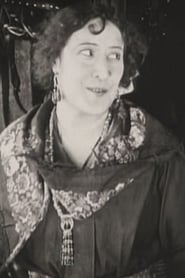
Rosita Marstini
Actor
Born: October 19, 1887 in Madrid, Spain Died: April 23, 1948 Active: 1922-1925 Birth Name: Rosario Marstini
Films
3 films
About Rosita Marstini
Made her mark in Hollywood during the silent film era of the early 1920s. Born in Madrid in 1887, she began her film career relatively late, making her debut in American cinema around 1922. Marstini quickly established herself as a reliable character actress, often cast in exotic or ethnic roles that capitalized on her Spanish heritage and striking appearance. Her brief but notable approximately three years, during which she appeared in some of the most significant films of the silent era. She worked alongside stars like Rudolph Valentino, Ramon Novarro, and John Gilbert, often portraying sophisticated or mysterious women. After her final film appearance in 1925, Marstini largely disappeared from the entertainment industry, though she remained married to actor George Periolat until his death in 1940. Her career, though short, intersected with the golden age of silent cinema, contributing to several landmark productions that defined the era. Marstini passed away in Los Angeles in 1948, leaving behind a legacy of memorable performances in some of Hollywood's most celebrated silent films.
The Craft
On Screen
Rosita Marstini was known for her expressive silent film acting technique, utilizing subtle facial expressions and body language typical of the era. She specialized in portraying mysterious, exotic, or sophisticated women, often bringing a sense of European elegance to her roles. Her performances were characterized by a dignified presence and the ability to convey complex emotions through minimal dialogue, relying instead on nuanced gestures and intense gazes. Marstini's style was well-suited to the melodramatic requirements of silent cinema, where actors needed to communicate entire narratives through physical performance alone.
Milestones
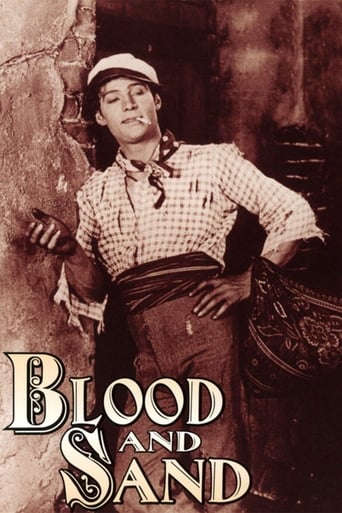
- Film debut in Blood and Sand (1922) opposite Rudolph Valentino
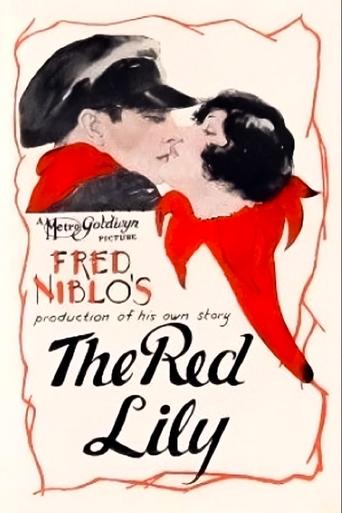
- Notable supporting role in The Red Lily (1924)
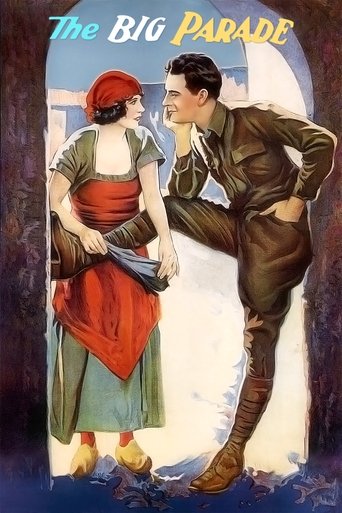
- Appearance in the acclaimed war epic The Big Parade (1925)
- Marriage to fellow actor George Periolat
- Typecast as exotic characters due to Spanish heritage
Best Known For
Iconic Roles
Must-See Films
Working Relationships
Worked Often With
Studios
Why They Matter
Impact on Culture
Rosita Marstini's cultural impact lies in her contribution to some of the most significant silent films of the early 1920s, an era that helped define Hollywood's golden age. As a Spanish actress in American cinema, she was part of the early wave of international talent that brought diversity to Hollywood's cast of characters. Her roles in major productions like Blood and Sand and The Big Parade helped establish the exotic European archetype that would become a recurring element in American cinema. Though her career was brief, her appearances in these landmark films ensured her place in the historical record of silent cinema, representing the many character actors who provided essential support to the era's biggest stars.
Lasting Legacy
Rosita Marstini's legacy is that of a representative figure from the golden age of silent cinema, exemplifying the many talented character actors who contributed to Hollywood's early masterpieces. While she never achieved stardom herself, her work in three of the most celebrated films of 1920s cinema ensures her place in film history. Her story also reflects the transient nature of fame in early Hollywood, where many talented performers appeared briefly before fading from public view. Today, film historians and silent cinema enthusiasts recognize her as part of the talent that made the silent era so memorable, and her performances continue to be appreciated by those who study and preserve early American cinema.
Who They Inspired
As a supporting actress with a relatively brief career, Rosita Marstini's direct influence on subsequent generations of performers is difficult to trace. However, her work contributed to the establishment of character archetypes that would persist in cinema for decades, particularly the exotic, sophisticated European woman. Her performances in major silent films helped demonstrate the importance of strong supporting characters in ensemble productions, a lesson that would influence Hollywood's approach to casting throughout the studio era. While she may not have directly mentored other actors, her professional example as a reliable character actress who brought authenticity to ethnic roles set a standard for similar performers in subsequent years.
Off Screen
Rosita Marstini married fellow actor George Periolat, a prominent character actor of the silent era who appeared in over 100 films between 1915 and 1940. Their marriage lasted until Periolat's death in 1940, eight years before her own passing. The couple resided in Los Angeles during their marriage, and Marstini largely stepped away from her acting career after 1925, possibly to focus on her personal life. Beyond her marriage, little is documented about her personal relationships or family background. Her later years were spent away from the public eye, and she died in Los Angeles at the age of 60.
Education
Information about her educational background is not documented in available sources.
Family
- George Periolat (1920s-1940)
Did You Know?
- Born in Madrid, Spain, but found success in American silent cinema
- Her real first name was Rosario, which she shortened to Rosita for her film career
- Appeared in three of the most significant silent films released between 1922-1925
- Married to character actor George Periolat, who appeared in over 100 films
- Her film career lasted only approximately three years, making her one of Hollywood's briefest success stories
- Often typecast in roles that capitalized on her Spanish heritage and exotic appearance
- Worked with three of the biggest male stars of the silent era: Valentino, Novarro, and Gilbert
- The Big Parade (1925), her final film, was one of the highest-grossing silent films of all time
- Retired from acting at the height of the silent era, before the transition to sound films
- Died relatively young at age 60 in Los Angeles, far from her Spanish homeland
In Their Own Words
No documented famous quotes from Rosita Marstini are available in historical records.
Frequently Asked Questions
Who was Rosita Marstini?
Spanish-born silent film actress active in Hollywood during the early 1920s. She appeared in several notable films including Blood and Sand (1922), The Red Lily (1924), and The Big Parade (1925), often playing exotic or sophisticated character roles that capitalized on her European heritage.
What films is Rosita Marstini best known for?
Titles linked here include Blood and Sand (1922), The Red Lily (1924).
When was Rosita Marstini born and when did she die?
Born October 19, 1887; died April 23, 1948.
What awards did Rosita Marstini win?
There are no documented awards or formal recognitions received by Rosita Marstini during her brief film career. Like many character actors of the silent era, her contributions were primarily recognized through her consistent work in major productions rather than through formal accolades.
What was Rosita Marstini's acting style?
Rosita Marstini's acting style was typical of the silent film era, emphasizing expressive facial gestures and body language to convey emotion. She specialized in portraying exotic, sophisticated women with an air of mystery and European elegance, using subtle expressions and dignified presence to communicate her characters' inner states.
Why did Rosita Marstini's career end so quickly?
The exact reasons for Rosita Marstini's brief career are not definitively documented, but she retired from acting around 1925, possibly due to her marriage to fellow actor George Periolat or personal choice. Her career ended before the transition to sound films, so she was not displaced by the technological changes that affected many silent actors.
Was Rosita Marstini married?
Yes, Rosita Marstini was married to George Periolat, a prolific character actor who appeared in over 100 films between 1915 and 1940. Their marriage lasted until Periolat's death in 1940, eight years before Marstini's own passing in 1948.