
Fred Niblo
Actor & Director
Born: January 6, 1874 in York, Nebraska, United States Died: November 17, 1948 Active: 1919-1933 Birth Name: Frederick Liedtke
Films
11 films
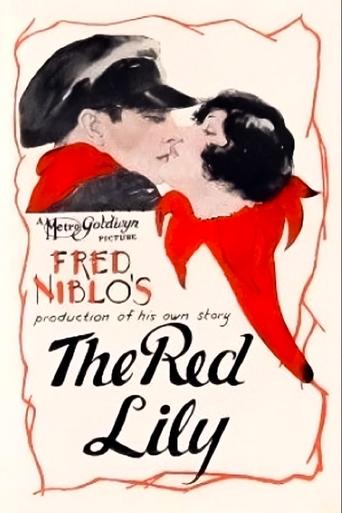
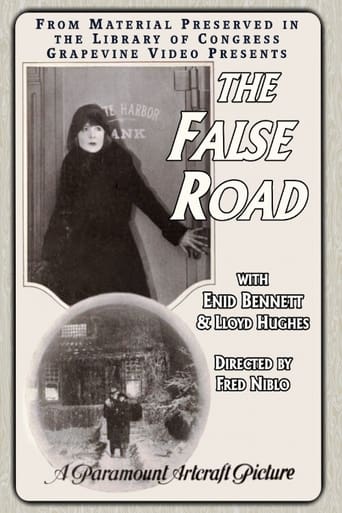
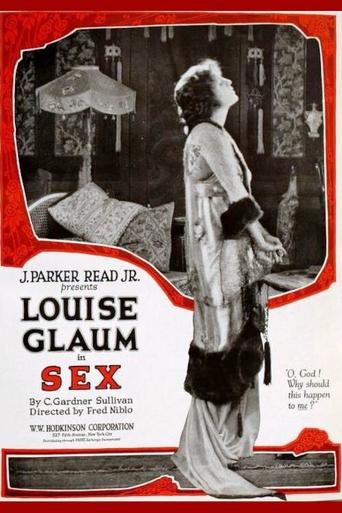
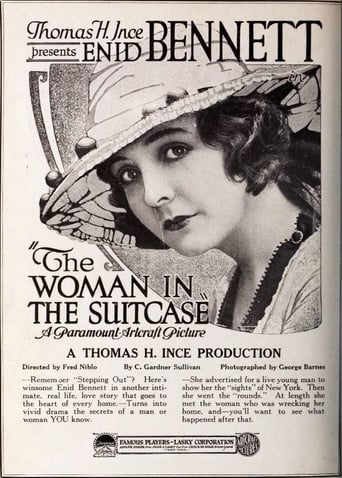
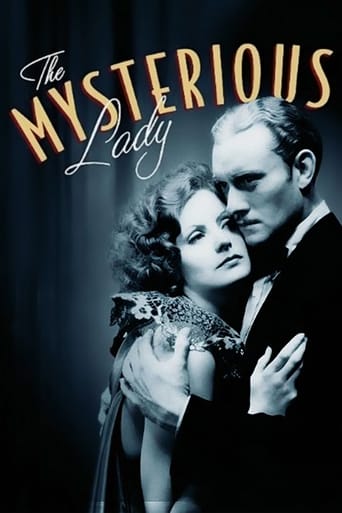
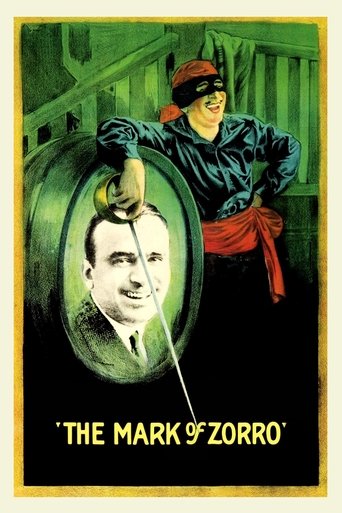
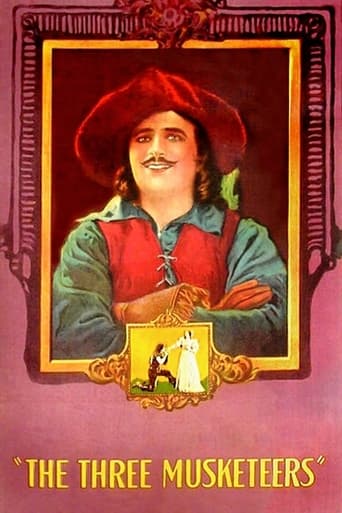
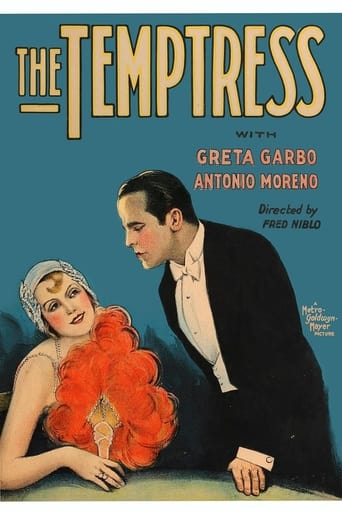
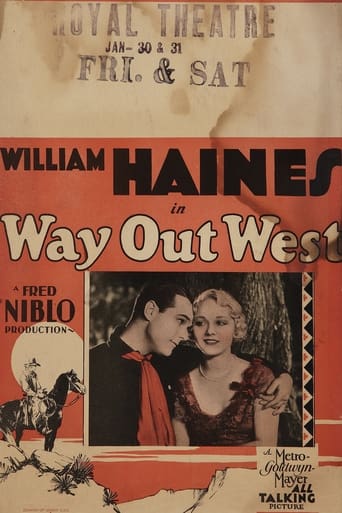
About Fred Niblo
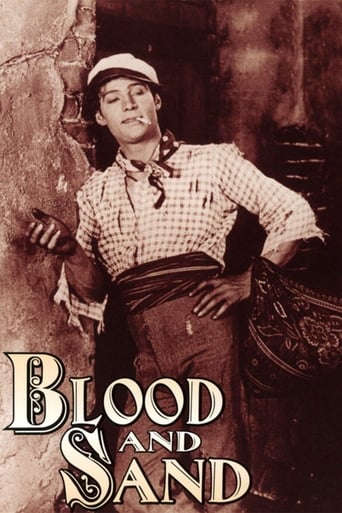
American film director and actor who rose to prominence during the silent film era, becoming one of Hollywood's most respected directors of the 1920s. Born Frederick Liedtke, he began his career as a vaudeville performer and stage actor in Australia before transitioning to film directing in 1919. Niblo's directorial breakthrough came with Douglas Fairbanks' swashbuckling adventure 'The Mark of Zorro' (1920), which established him excelled in the action genre. He went on to direct several landmark films including 'The Three Musketeers' (1921), 'Blood and Sand' (1922) starring Rudolph Valentino, and the epic 'Ben-Hur: A Tale of the Christ' (1925), which was expensive and ambitious films of its time. His career flourished at MGM where he directed both silent films and early talkies, though his prominence waned with the transition to sound. Niblo retired from directing in the early 1930s but remained active in the film industry as a producer and studio executive. His legacy includes some of the most technically sophisticated and commercially successful films of the silent era.
The Craft
Behind the Camera
Fred Niblo was known for his meticulous attention to visual spectacle and his ability to handle large-scale productions with thousands of extras. His directing style emphasized dynamic action sequences, particularly in swashbuckling adventures, while maintaining strong character development. Niblo had a keen eye for composition and utilized innovative camera techniques for his time, including elaborate tracking shots and dramatic lighting effects. He was particularly skilled at working with major stars like Douglas Fairbanks and Rudolph Valentino, allowing them to showcase their physical prowess while maintaining narrative coherence. His approach balanced commercial entertainment value with artistic ambition, making him.
Milestones
- Directed 'The Mark of Zorro' (1920) establishing the swashbuckler genre
- Collaborated with Douglas Fairbanks on multiple adventure films
- Directed Rudolph Valentino in 'Blood and Sand' (1922)
- Helmed the epic 'Ben-Hur: A Tale of the Christ' (1925)
- Served as President of the Academy of Motion Picture Arts and Sciences (1933-1934)
- Successfully transitioned from stage performer to film director
Best Known For
Must-See Films
Accolades
Won
- Academy Honorary Award (1930) - For his contributions to the development of motion pictures
Nominated
- Academy Award nomination for Best Director (1929) - For 'The Divine Lady' (though the film was actually directed by Frank Lloyd, this was during early Academy confusion)
Special Recognition
- Hollywood Walk of Fame star at 7015 Hollywood Blvd
- President of the Academy of Motion Picture Arts and Sciences (1933-1934)
- Member of the original founding board of AMPAS
Working Relationships
Worked Often With
Studios
Why They Matter
Impact on Culture
Fred Niblo played a crucial role in establishing the swashbuckling adventure genre in American cinema, particularly through his collaborations with Douglas Fairbanks. His direction of 'The Mark of Zorro' created the template for the superhero origin story that would influence countless films for decades. 'Ben-Hur: A Tale of the Christ' under his direction set new standards for epic filmmaking, with its unprecedented scale and technical innovations that would influence biblical epics for generations. As a founding member and later president of the Academy of Motion Picture Arts and Sciences, Niblo helped shape the institution that would become the most prestigious award in cinema. His work during the transition from silent to sound films demonstrated the technical and artistic challenges of this pivotal period in film history.
Lasting Legacy
Fred Niblo's legacy endures through his contributions to the development of American cinema's most enduring genres. His epic 'Ben-Hur' remains a landmark achievement in silent cinema, with many of its sequences still studied by film students today. The swashbuckling adventure films he directed with Douglas Fairbanks essentially created a new genre that would be revisited countless times, from Errol Flynn to modern superhero films. As one of the founding fathers of the Academy Awards, his influence extends beyond his own films to the very way cinema excellence is recognized and celebrated. While his name may not be as widely known as some of his contemporaries, his technical innovations and genre-defining work helped establish the visual language of Hollywood cinema that continues to influence filmmakers today.
Who They Inspired
Niblo's influence can be seen in the work of subsequent adventure and epic filmmakers, including Michael Curtiz, who directed similar swashbucklers for Errol Flynn, and Cecil B. DeMille, who expanded on the epic scale Niblo pioneered. His approach to action sequences and spectacle influenced the development of the Hollywood blockbuster. Directors like Steven Spielberg and George Lucas have cited silent era epics like Niblo's 'Ben-Hur' as influences on their approach to large-scale filmmaking. The visual storytelling techniques he developed for conveying emotion and action without dialogue remain relevant in contemporary cinema. His role in establishing the Academy Awards created an institutional framework that continues to shape the film industry's values and aspirations.
Off Screen
Fred Niblo married three times during his lifetime. His first marriage was to Josephine Cohan, sister of famed entertainer George M. Cohan, which helped establish his connections in show business. His second marriage to Australian actress Enid Bennett was his most significant, lasting from 1918 until her death in 1969. Bennett frequently starred in his films, including 'The Mark of Zorro' and 'The Three Musketeers'. They had three children together: Fred Jr., Peter, and Judith. His third marriage was to Mae H. Parsons in 1969. Niblo was known as a family man who balanced his demanding career with his home life, and his marriage to Bennett was considered one of Hollywood's most stable relationships during the golden age.
Education
Limited formal education; primarily self-taught through practical experience in vaudeville and theater
Family
- Josephine Cohan (1901-1916)
- Enid Bennett (1918-1969)
- Mae H. Parsons (1969-1948)
Did You Know?
- Changed his name from Frederick Liedtke to Fred Niblo early in his career to avoid confusion with another actor
- Began his career as a vaudeville performer and stage actor in Australia before moving to Hollywood
- Was a founding member of the Academy of Motion Picture Arts and Sciences in 1927
- Served as the fourth president of the Academy from 1933-1934
- His son Fred Niblo Jr. Became a successful film director and screenwriter
- The chariot race sequence in his 'Ben-Hur' (1925) remains
- Was married to actress Enid Bennett, who appeared in many of his films
- Directed both Douglas Fairbanks and Rudolph Valentino, two of the biggest stars of the silent era
- His film 'The Mark of Zorro' was remade multiple times, including versions starring Tyrone Power and Antonio Banderas
- Made a successful transition to sound films, directing early talkies like 'The Mysterious Island' (1929)
In Their Own Words
In pictures, you must show, not tell. The camera is the storyteller, not the title cards.
Working with Fairbanks was like trying to direct a force of nature. You just pointed him at the adventure and got out of the way.
An epic film is not just about size, it's about the size of the human heart within the spectacle.
The transition to sound wasn't just technical, it was a revolution in how we think about cinema itself.
Frequently Asked Questions
Who was Fred Niblo?
Prominent American on YTB.my. He was a founding member of the Academy of Motion Picture Arts and Sciences and served as its president from 1933-1934.
What films is Fred Niblo best known for?
Titles linked here include The Mark of Zorro (1920), The Three Musketeers (1921).
When was Fred Niblo born and when did he die?
Born January 6, 1874; died November 17, 1948.
What awards did Fred Niblo win?
Fred Niblo received an Academy Honorary Award in 1930 for his contributions to the development of motion pictures. He also served as president of the Academy of Motion Picture Arts and Sciences and has a star on the Hollywood Walk of Fame.
What was Fred Niblo's directing style?
Niblo was known for his spectacular visual style and ability to handle large-scale productions. He excelled at directing action sequences and swashbuckling adventures, with a keen eye for composition and innovative camera techniques. His work balanced commercial entertainment with artistic ambition.