


The False Road
"He has learned his lesson and vows to leave his life of crime."
Keys: Space play/pause · ←/→ 10s · F fullscreen · M mute · </> speed
About this film
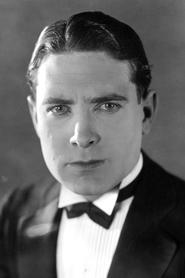
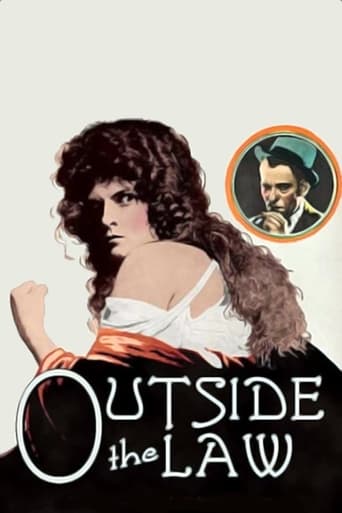
Roger Moran, a member of a gang of thieves headed by Mike Wilson, is released from prison after having served a two-year sentence. He has learned his lesson and vows to leave his life of crime, but his girlfriend Betty Palmer--also a member of the gang--won't leave "the false road".
Cast & crew
More films like this
More Drama films
View all →







More from Fred Niblo
View all →
More about this film
About the production
Release dateMarch 7, 1920
ProductionThomas H. Ince Corporation
Filmed inInceville, California, Los Angeles, California
The False Road was produced during the transition period when Thomas H. Ince was shifting from being primarily a director to focusing on production. The film was part of a series of melodramas that Ince's studio was producing in the early 1920s, often featuring themes of moral redemption and social reform.
Themes
Redemption and second chancesThe conflict between love and moralityThe difficulty of escaping one's pastCriminal reform and rehabilitationLoyalty versus personal growth
Themes & topics
Historical background
By 1920, distribution was widening and The False Road reached audiences through the theatrical channels dominant before television.
Why this film matters
Surviving prints of The False Road document how 1920-era filmmakers solved story problems with limited means.
Making of
The False Road was filmed at Inceville, the studio complex founded by Thomas H. Ince in the Santa Monica Mountains. Director Fred Niblo was relatively new to directing at this point, having transitioned from a career as a stage actor. The film's production took advantage of the studio's standing sets, which included urban street scenes perfect for the gangster narrative. Working with his wife Enid Bennett, Niblo was able to create intimate chemistry between the leads. The production followed the efficient studio system practices of the era, with filming completed in just a few weeks. The film's themes of redemption reflected the moralistic tendencies common in films of this period, influenced by the social reform movements of the Progressive Era.
What critics said
Trade papers near 1920 listed The False Road as program material rather than headline art cinema.
Did you know?
- This was one of the early films directed by Fred Niblo, who would later go on to direct major silent epics like 'Ben-Hur' (1925) and 'The Mark of Zorro' (1920).
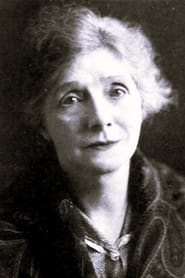
- Enid Bennett, who plays Betty Palmer, was married to director Fred Niblo at the time was made, making this a collaboration between spouses.
- The film was produced by the Thomas H. Ince Corporation, especially influential production companies of the silent era.
- The False Road was released just as the Prohibition era was beginning in the United States, adding contemporary relevance to its crime themes.
- Lloyd Hughes, who plays Roger Moran, would later become one of the leading romantic actors of the silent era.
- The film's title 'The False Road' was a common metaphorical expression in the 1920s for a life of crime or moral corruption.
- is now considered lost, with no known surviving copies in any film archives or private collections.
- The film was distributed by Paramount Pictures through their Artcraft division, which specialized in higher-quality productions.
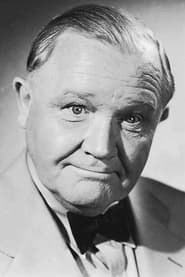
- Wade Boteler, who plays Mike Wilson, would go on to have a long career as a character actor in Hollywood, appearing in over 300 films.
- The film's runtime of 50 minutes was typical for feature films of this period, before the expansion to longer epics in the mid-1920s.
Visual style
The cinematography of The False Road was typical of the studio productions of 1920, utilizing natural lighting and the developing techniques of dramatic lighting to enhance the emotional content of scenes. The urban settings would have been filmed on the studio's standing sets, allowing for controlled lighting and camera positioning. The film likely employed the standard visual vocabulary of silent melodramas, including close-ups for emotional moments and wider shots for action sequences. The visual style would have emphasized the contrast between the dark, shadowy world of crime and the brighter, more hopeful world of redemption, using lighting to reinforce the film's moral themes.
Innovations
While The False Road was not particularly innovative technically, it represented the solid craftsmanship of the studio system at its most efficient. The film employed standard editing techniques of the era, including cross-cutting between parallel actions to build suspense during dramatic moments. The production utilized the Ince studio's advanced lighting equipment and camera dollies to create more dynamic shots than was possible in earlier cinema. The film's efficient production schedule and moderate runtime demonstrated the studio system's ability to produce quality entertainment on a regular schedule, a technical achievement in terms of production management that would become the industry standard.
Music
As a silent film, The False Road would have been accompanied by live musical performance during its theatrical run. The score would have been compiled from standard photoplay music libraries, with selections chosen to match the emotional tone of each scene. Romantic themes would have been accompanied by popular love songs of the era, while tense criminal moments would have featured dramatic, dissonant compositions. The theater organist or small orchestra would have improvised or followed cue sheets provided by the studio, creating a unique musical experience for each screening. No specific composer was credited for the film, as was typical for productions of this period.
Famous quotes
I've learned my lesson, Betty. Two years in prison teaches a man the value of an honest life.
The false road may seem easier, but it always leads to darkness.
You can't escape your past when those you love won't let you forget it.
Honesty may be harder, but it's the only road that leads anywhere worth going.
Memorable scenes
- The emotional prison release scene where Roger Moran first expresses his desire for reform, setting up the central conflict of the film. The confrontation between Roger and Betty where she refuses to abandon their criminal lifestyle, creating the moral dilemma that drives the narrative. The climactic scene where Roger must choose between his loyalty to the gang and his commitment to redemption, embodying the film's central themes of moral choice and personal transformation.
What audiences thought
Audiences in 1920 responded positively to The False Road, finding resonance in its themes of redemption and the struggle between love and morality. The film's straightforward narrative and emotional appeals were well-suited to the tastes of early cinema audiences who preferred clear moral storytelling. The chemistry between Enid Bennett and Lloyd Hughes was particularly appreciated by viewers, making the romantic elements of the crime story more compelling. While exact box office figures are not available, the film was considered commercially successful enough to justify its production budget and distribution through Paramount's Artcraft division, indicating positive audience reception.
Film connections
Influenced by
- The moralistic melodramas of D.W. Griffith
- The urban crime stories popular in post-WWI cinema
- The social reform films of the Progressive Era
- Thomas H. Ince's production model of efficient, message-driven entertainment
This film influenced
- Subsequent gangster films of the 1920s and 1930s
- Fred Niblo's later melodramas like 'The Great K & A Train Robbery' (1926)
- The crime-reform narrative that would become common in Hollywood cinema
Film restoration
The False Road is considered a lost film. No known copies survive in any film archives, including the Library of Congress, the Museum of Modern Art, or major international film repositories. The film was likely lost due to the common practice of silent film studios destroying or discarding prints after their commercial value diminished, compounded by the highly flammable nitrate film stock used during this period. Only promotional materials and written reviews remain to document the film's existence.
Where to watch
- Unfortunately, The False Road is not available for viewing as it is considered a lost film with no surviving copies. Film enthusiasts can learn about it through historical film databases, silent film archives, and academic resources that document lost films of the silent era.