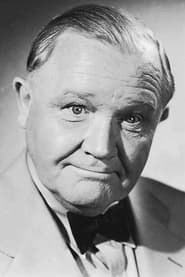
Wade Boteler
Actor
Born: October 3, 1888 in Santa Ana, California, USA Died: May 7, 1943 Active: 1919-1943 Birth Name: Wade H. Boteler
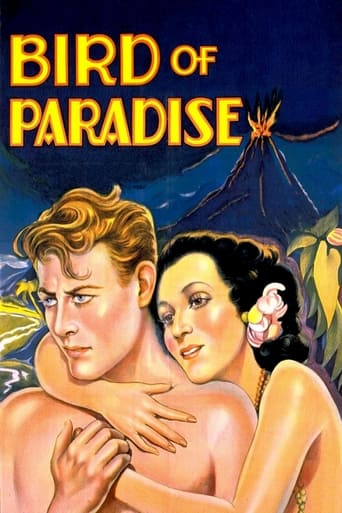
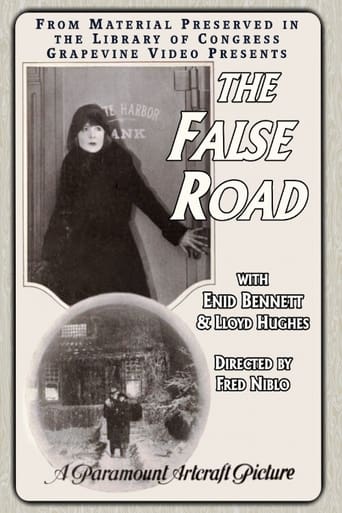
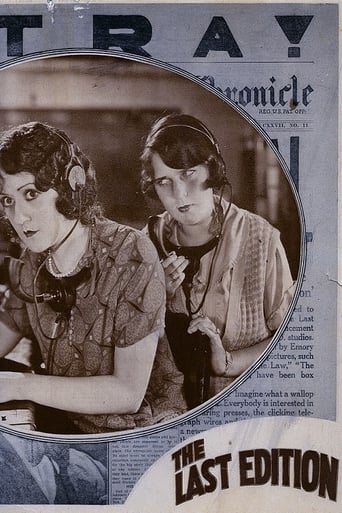
Films
4 films

About Wade Boteler
Prolific American character actor: the silent era through the Golden Age of Hollywood, appearing in over 400 films between 1919 and 1943. Born in Santa Ana, California, Boteler began his film career after serving in World War I, quickly establishing himself as a reliable supporting actor with his distinctive mustache and authoritative presence. He specialized in playing law enforcement officers, military men, detectives, and other authority figures, becoming recognizable character actors of his era. Boteler successfully transitioned from silent films to talkies, adapting his acting style to the new medium while maintaining his screen persona. He worked extensively with major studios including Warner Bros., Paramount, and Universal, often appearing in multiple films per year during the height of his career. His versatility allowed him to play both comic and dramatic roles, though he was most frequently cast as police chiefs, sheriffs, or government officials. Boteler continued working until his death in 1943, leaving behind an impressive body of work that exemplified the studio system's reliance on dependable character actors.
The Craft
On Screen
Boteler was known for his naturalistic and authoritative screen presence, often bringing gravitas to roles as police officers, detectives, and military officials. His acting style was straightforward and believable, with a distinctive baritone voice that served him well in talkies. He had a remarkable ability to convey authority through both his physical presence and vocal delivery, making him a go-to choice for casting directors seeking reliable character actors.
Milestones
- Appeared in over 400 films during his 24-year career
- Successfully transitioned from silent films to talkies
- Became one of Hollywood's most recognizable authority figures
- Worked with all major studios during the Golden Age
- Appeared in classic films including King Kong and The Public Enemy
Best Known For
Iconic Roles
Must-See Films
Accolades
Special Recognition
- Recognized as one of Hollywood's most prolific character actors with over 400 film credits
Working Relationships
Worked Often With
Studios
Why They Matter
Impact on Culture
Wade Boteler represents the quintessential Hollywood character actor whose consistent performances helped establish the visual language of American cinema during the studio era. His frequent portrayals of authority figures contributed to the cinematic archetype of the trustworthy law enforcement officer that became a staple of Hollywood films. Boteler's work across genres—from gangster films to horror to drama—demonstrated the versatility required of supporting actors in the Golden Age, and his ability to lend credibility to any production made him an invaluable asset to the studio system.
Lasting Legacy
Boteler's legacy lies in his remarkable filmography of over 400 movies, making him. His appearances in classic films like King Kong, The Public Enemy, and I Am a Fugitive from a Chain Gang ensure that his performances continue to be seen by new generations of film enthusiasts. He exemplifies the crucial role that character actors played in building the Golden Age Hollywood, providing the essential supporting framework that allowed stars to shine while maintaining the integrity of countless productions.
Who They Inspired
Boteler influenced subsequent generations of character actors through his professionalism and versatility. His ability to seamlessly transition between genres while maintaining a consistent screen presence set a standard for supporting actors. His work helped establish the importance of reliable character actors in studio productions, demonstrating how skilled supporting performances could elevate the quality of any film regardless of genre or budget.
Off Screen
Boteler served in the United States Army during World War I before beginning his acting career. He married actress and screenwriter Bess Flowers in 1925, though the marriage ended in divorce. He was known in Hollywood circles as a reliable professional who was always prepared for his roles and maintained good relationships with directors and fellow actors. Despite his extensive filmography, he remained a private individual who rarely gave interviews or discussed his personal life publicly.
Education
Limited information available about his formal education, though he likely attended schools in Santa Ana, California, before his military service and acting career.
Family
- Bess Flowers (1925-1931)
Did You Know?
- Appeared in over 400 films during his career, averaging more than 20 films per year at his peak
- Often played characters with the first name 'Captain' or 'Chief'
- Served in the U.S. Army during World War I before his acting career
- Was one of the few actors who successfully made the transition from silent films to talkies without losing his career momentum
- His distinctive mustache became his trademark and helped casting directors immediately recognize his type
- Worked with virtually every major director of the Golden Age, including Frank Capra, William Wellman, and James Whale
- Despite his extensive filmography, he rarely received screen credit in his early films
- His final film appearance was in 'The Fallen Sparrow' (1943), released the year he died
- Was often cast multiple times by the same directors who appreciated his reliability and professionalism
- His baritone voice made him particularly valuable in early sound films where vocal quality was crucial
In Their Own Words
As a character actor, I don't need the spotlight - I just need to make the story believable.
Every police chief I play has a little bit of every real cop I've ever met.
The secret to being a good supporting actor is knowing when to step forward and when to step back.
Frequently Asked Questions
Who was Wade Boteler?
Screen credits include over 400 films from 1919 to 1943, specializing in roles as authority figures like police chiefs, sheriffs, and military officers during Hollywood's Golden Age.
What films is Wade Boteler best known for?
Titles linked here include The Public Enemy (1931), King Kong (1933).
When was Wade Boteler born and when did he die?
Born October 3, 1888; died May 7, 1943.
What awards did Wade Boteler win?
Wade Boteler did not receive major awards or nominations during his career, though he was recognized as one of Hollywood's most prolific and reliable character actors with over 400 film credits.
What was Wade Boteler's acting style?
Boteler was known for his naturalistic and authoritative screen presence, often bringing gravitas to roles as law enforcement and military figures. His straightforward, believable acting style and distinctive baritone voice made him particularly effective in both silent and sound films.
How many films did Wade Boteler appear in?
Wade Boteler appeared in over 400 films during his 24-year career, averaging more than 20 films per year at the height of his productivity in the 1930s.
Did Wade Boteler serve in the military?
Yes, Wade Boteler served in the United States Army during World War I before beginning his acting career in Hollywood.