Films
1 film
About Lucille Young
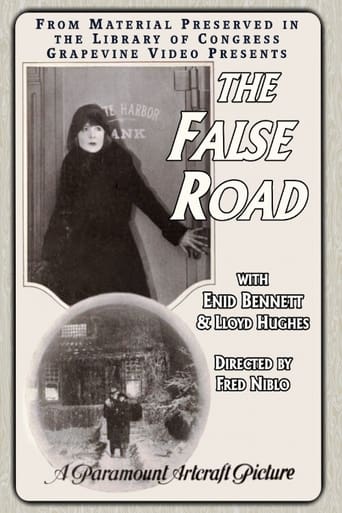
Made her mark during the early 1920s, though her career was notably brief. Lucille appears in the 1920 film 'The False Road,' which represents one of her few documented screen appearances. Like many actors of the silent era, Young worked during a transitional period in cinema history when the industry was still establishing its stars and conventions. Her filmography appears to be limited to the year 1920, suggesting she may have been among the countless performers who attempted but did not sustain long-term careers in Hollywood's competitive early years. The scarcity of information about her life and career is typical of supporting actors from this period who often worked anonymously or under contract without achieving lasting fame. Her brief screen presence reflects the transient nature of many early film careers, where countless performers contributed to the burgeoning art form without leaving extensive biographical records.
The Craft
Milestones
- Appeared in 'The False Road' (1920)
- Worked during the silent film era
Best Known For
Must-See Films
Why They Matter
Impact on Culture
Lucille Young's contribution to cinema represents the countless anonymous performers who helped build the foundation of Hollywood during its formative years. While her individual impact may not be widely documented, actors like her were essential to the production of early films, filling supporting roles that brought stories to life. Her brief career exemplifies the transient nature of early Hollywood, where many talented performers passed through the industry without achieving lasting recognition. The lack of extensive documentation about her career highlights the challenges film historians face in preserving the complete story of cinema's development.
Lasting Legacy
Lucille Young's legacy is primarily that of a representative figure from the silent era's vast pool of working actors. While she did not achieve lasting fame, her appearance in 'The False Road' (1920) places her within the historical record of early American cinema. Her story serves as a reminder of the thousands of performers who contributed to film history but whose names have been largely lost to time. For film historians and enthusiasts, actors like Young represent the anonymous workforce that made the golden age of Hollywood possible.
Who They Inspired
Due to the brief nature of her career and limited documentation, there is no evidence of Lucille Young directly influencing other performers or filmmakers. Her influence exists primarily as part of the collective contribution of silent era actors who paved the way for future generations of performers.
Off Screen
Very little is documented about Lucille Young's personal life, which is common for many supporting actors from the silent era who did not achieve star status. Like many performers of her time, biographical details were often not preserved in historical records unless the performer achieved lasting fame.
Did You Know?
- Lucille Young's entire known filmography appears to be confined to the year 1920
- She appeared in 'The False Road' during the height of the silent film era
- Like many actors of her time, biographical information about her is extremely limited
- Her career represents the typical experience of many supporting actors in early Hollywood
- The scarcity of information about her is characteristic of non-star performers from the silent era
Frequently Asked Questions
Who was Lucille Young?
Silent film actress active in 1920, best known for her appearance in 'The False Road.' Her career was notably brief, and like many supporting actors from the silent era, biographical information about her is extremely limited.
What films is Lucille Young best known for?
Titles linked here include The False Road (1920).
When was Lucille Young born and when did she die?
Unfortunately, specific birth and death dates for Lucille Young are not documented in available historical records, which is common for many supporting actors from the silent era who did not achieve lasting fame.
What awards did Lucille Young win?
There are no records of Lucille Young receiving any major awards or nominations. Like many actors of her era with brief careers, she worked without formal recognition from award institutions.
What was Lucille Young's acting style?
Due to the limited documentation of her work and the fact that only one of her films is known, specific details about Lucille Young's acting style are not available. She would have worked within the conventions of silent film acting typical of the early 1920s.