
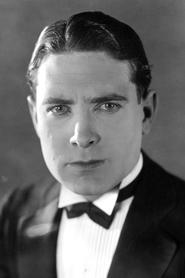
Lloyd Hughes
Actor
Born: February 21, 1897 in Bisbee, Arizona Territory, USA Died: June 6, 1958 Active: 1918-1935 Birth Name: Lloyd Stanford Hughes
Films
14 films

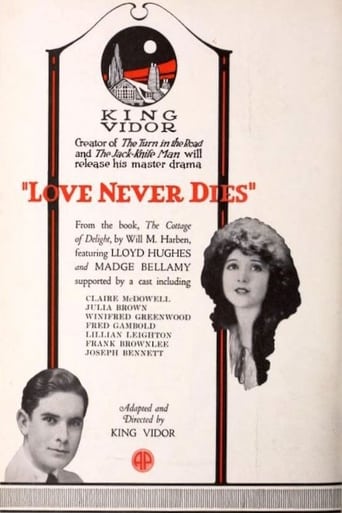
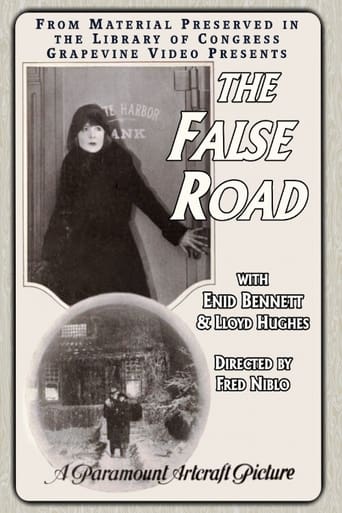
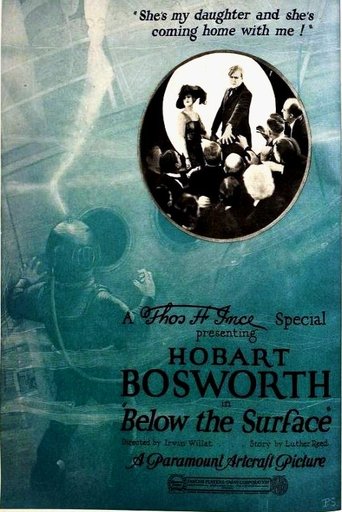
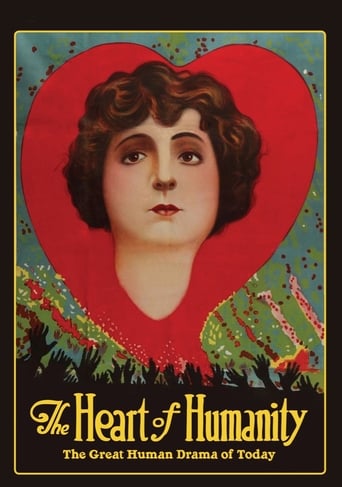
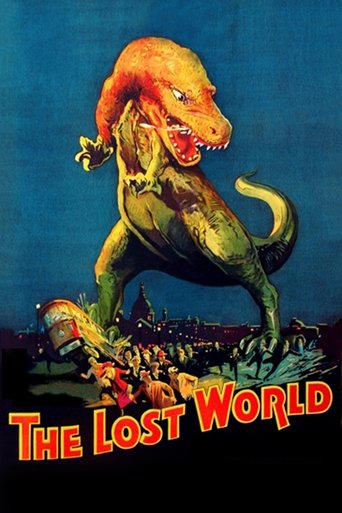
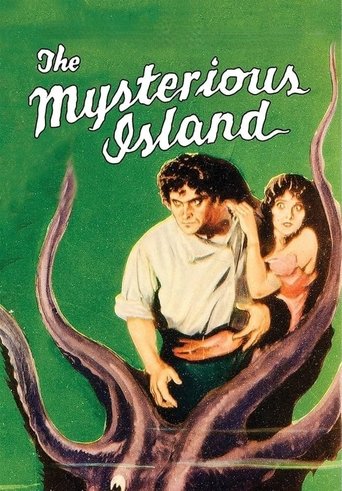
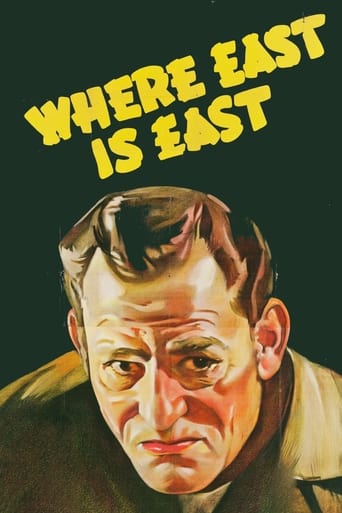
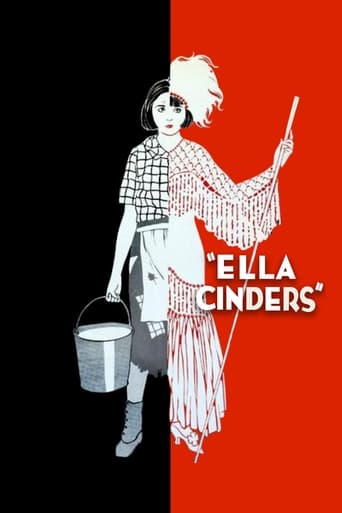
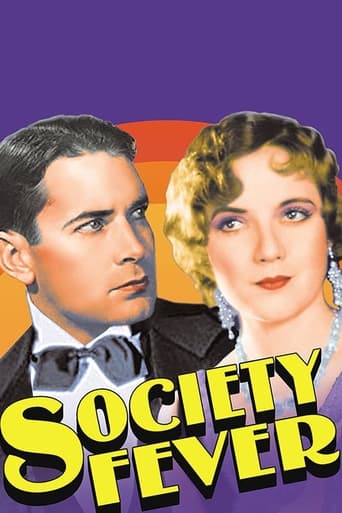
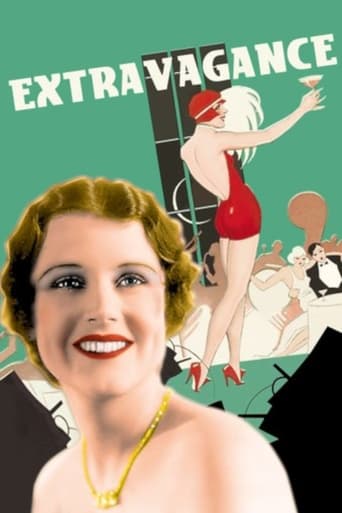
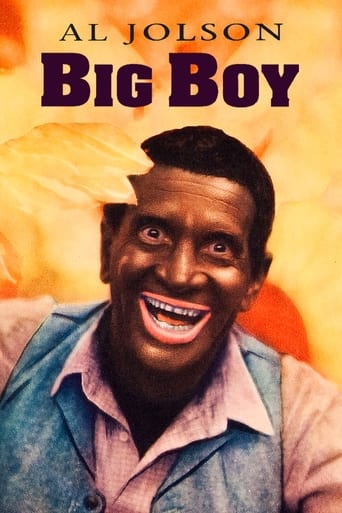
About Lloyd Hughes
prominent leading man of the silent era and early sound period — known for his sensitive and romantic performances that captivated audiences throughout the 1920s. Born in Arizona Territory, Hughes began his film career in 1918 and quickly rose to stardom with his naturalistic acting style and handsome screen presence. Lloyd appears in over 80 films, often playing opposite the era's biggest female stars like Mary Pickford and Colleen Moore. Hughes successfully navigated the challenging transition from silent to sound films in the late 1920s, demonstrating his versatility as an actor. His career peaked in the mid-1920s with notable performances in films such as 'The Lost World' (1925) and 'The Sea Hawk' (1924). As the 1930s progressed, his popularity gradually declined, leading to his retirement from acting in 1935. Hughes left behind a legacy of compelling performances that exemplified the emotional depth possible in silent cinema.
The Craft
On Screen
Hughes was known for his naturalistic and emotionally nuanced performances, which set him apart from the more theatrical acting style common in silent films. He possessed a subtle yet powerful screen presence, often conveying deep emotions through minimal gestures and expressive eyes. His romantic leading man persona was balanced by an ability to portray vulnerability and sensitivity, making his characters relatable to audiences. Hughes' acting technique emphasized realism over melodrama, anticipating the more naturalistic style that would become standard in sound cinema.
Milestones
- Breakthrough role in 'The Heart of Humanity' (1918)
- Starred in the groundbreaking special effects film 'The Lost World' (1925)
- Leading man in 'The Sea Hawk' (1924), one of the biggest hits of 1924
- Successfully transitioned to sound films in the late 1920s
- Appeared in over 80 films during his 17-year career
Best Known For
Iconic Roles
Must-See Films
Accolades
Special Recognition
- Hollywood Walk of Fame star (6380 Hollywood Blvd)
Working Relationships
Worked Often With
Studios
Why They Matter
Impact on Culture
Lloyd Hughes represented the transition from theatrical silent film acting to the more naturalistic style that would dominate sound cinema. His performances helped establish the template for the romantic leading man in American cinema, blending traditional masculine strength with emotional vulnerability. Hughes' work in 'The Lost World' contributed to the development of special effects in cinema, while his successful transition to talkies demonstrated the importance of acting versatility in early Hollywood. His films, particularly 'The Sea Hawk,' helped popularize the adventure genre and influenced subsequent swashbuckling films.
Lasting Legacy
Though largely forgotten by modern audiences, Lloyd Hughes — significant figure in establishing the romantic leading man archetype in silent cinema. His naturalistic acting style influenced a generation of actors moving from silent to sound films. Hughes' body of work, particularly his collaborations with major directors of the 1920s, represents some of the finest examples of silent film craftsmanship. His star on the Hollywood Walk of Fame serves as a permanent reminder of his contributions to early Hollywood cinema. Film historians and silent film enthusiasts continue to appreciate his subtle, emotionally resonant performances that helped bridge the gap between theatrical and cinematic acting.
Who They Inspired
Hughes' naturalistic acting style influenced many actors transitioning from silent to sound films, demonstrating the importance of subtlety and emotional authenticity. His work with directors helped establish new standards for film performance. Contemporary actors studying silent film technique often cite Hughes as an example of effective screen acting without dialogue. His ability to convey complex emotions through minimal expression became a model for actors in both silent and early sound cinema.
Off Screen
Lloyd Hughes married actress Gloria Hope in 1925, and they had two children together, Donald and Lynn. The family maintained a relatively private life despite Hughes' Hollywood stardom. His marriage to Hope lasted until his death in 1958, spanning 33 years. Hughes was known as a devoted family man who preferred a quiet home life away from the glitz of Hollywood parties. In his later years, after retiring from acting, he focused on his family and business investments.
Education
Attended Stanford University before pursuing acting career
Family
- Gloria Hope (1925-1958)
Did You Know?
- He was a talented athlete and played football at Stanford University before leaving to pursue acting
- Hughes was discovered by director Maurice Tourneur while working as a movie extra
- He stood 5'11" tall, which was considered tall for leading men of his era
- Hughes was one of the few silent stars who successfully made the transition to sound films
- He appeared in the first film version of 'The Lost World,' featuring groundbreaking stop-motion animation by Willis O'Brien
- Hughes was known for his professionalism and was rarely late to film sets
- He turned down several major roles in the early 1930s, which may have contributed to his career decline
- Hughes — skilled horseman and performed many of his own stunts in western and adventure films
- His final film appearance was in 'The Fighting Marine' (1935)
- Despite his success, Hughes was known for his humility and avoided the Hollywood party scene
In Their Own Words
Acting in silent films teaches you the importance of the eyes. They can say more than words ever could.
The transition to sound wasn't as difficult for me because I always tried to act naturally, not theatrically.
A good actor doesn't need to shout to be heard; he needs to feel to be understood.
Frequently Asked Questions
Who was Lloyd Hughes?
Prominent American with credits in this catalog. He was known as a romantic leading man who appeared in over 80 films, including notable works like 'The Lost World' and 'The Sea Hawk.' Hughes was praised for his naturalistic acting style that helped bridge the gap between silent and sound cinema.
What films is Lloyd Hughes best known for?
Titles linked here include The Lost World (1925), The Sea Hawk (1924).
When was Lloyd Hughes born and when did he die?
Born February 21, 1897; died June 6, 1958.
What awards did Lloyd Hughes win?
While Lloyd Hughes did not win major film awards during his career, he received significant recognition with a star on the Hollywood Walk of Fame at 6380 Hollywood Blvd. His critical acclaim came from film reviewers and audiences who praised his naturalistic acting style and compelling screen presence in both silent and sound films.
What was Lloyd Hughes' acting style?
Hughes was known for his naturalistic and emotionally nuanced acting style, which was more subtle than the theatrical approach common in silent films. He conveyed deep emotions through minimal gestures and expressive eyes, emphasizing realism over melodrama. This naturalistic approach helped him successfully transition to sound films and influenced subsequent generations of actors.