

The Heart of Humanity
"an American girl living in a small Canadian village"
Keys: Space play/pause · ←/→ 10s · F fullscreen · M mute · </> speed
About this film
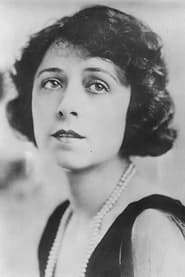
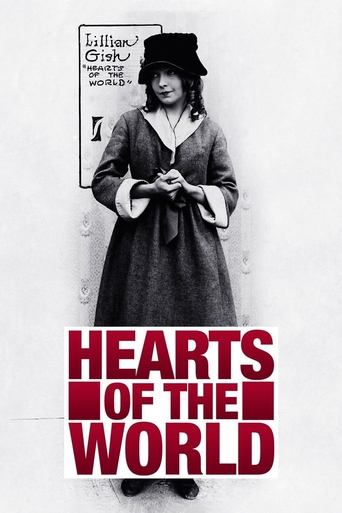
Nanette (Dorothy Phillips), an American girl living in a small Canadian village, is in love with John Patricia (William Stowell), the eldest of five brothers. The war interrupts their romantic idyll, as everyone goes overseas to Belgium and France. Nanette becomes a Red Cross nurse and is terrorized by the evil Prussian Lt.
Cast & crew
More films like this
More Drama films
View all →







More from Allen Holubar
View all →
More about this film
About the production
Release dateMarch 18, 1918
Budget$150,000 (considered substantial for 1918)
Box officeOver $1 million domestically, making it one of Universal's biggest hits of 1918
ProductionUniversal Film Manufacturing Company
Filmed inUniversal City Studios, California, Various locations in Southern California to simulate European battlefields
The film was one of Universal's most ambitious productions of 1918, featuring massive battle sequences and elaborate sets recreating war-torn Belgium. Director Allen Holubar insisted on authentic military uniforms and equipment, and the production employed hundreds of extras for the battle scenes. The controversial baby-tossing scene was filmed using a dummy and careful editing techniques, though it still caused significant controversy upon release.
Themes
Patriotism and national dutyThe triumph of humanity over brutalitySacrifice in wartimeThe role of women in warLove versus duty
Themes & topics
World War IpropagandaRed Cross nurseCanadian villageGerman invasionbattlefieldromancerescueatrocitypatriotismhumanitarianismsacrificevillainous officerwartime romancemilitary brothers
Historical background
The Heart of Humanity (1918) emerged during the silent-film era. Nanette (Dorothy Phillips), an American girl living in a small Canadian village, is in love with John Patricia (William Stowell), the eldest of five brothers. Archival records and catalog entries help place the work within film-history surveys of the period.
Why this film matters
Preserved under Wikidata ID Q3987491, The Heart of Humanity is valued as a screen drama within catalog and archive collections. Wikipedia's "The Heart of Humanity" entry connect it to broader histories of cinema exhibition and restoration.
Making of
Director Allen Holubar approached this film as his magnum opus, investing tremendous effort in creating realistic war sequences. The production faced numerous challenges, including staging large-scale battle scenes with hundreds of extras and creating convincing European village sets in California. The controversial baby-tossing scene required careful planning and multiple takes to achieve the desired shocking effect while ensuring no actual harm came to any child actors. Holubar worked closely with military advisors to authenticate the uniforms, weapons, and tactics depicted. The film's success was largely due to Holubar's meticulous attention to detail and his ability to blend melodrama with shocking realism. Dorothy Phillips underwent extensive research for her role as a Red Cross nurse, visiting actual military hospitals and speaking with wounded veterans. The production team constructed elaborate miniature models for some of the destruction scenes, which were then combined with full-scale footage using pioneering special effects techniques.
What critics said
Trade and archival sources offer limited day-one review coverage for The Heart of Humanity. Modern reception rests on its availability in collections, repertory screenings, and reference works that document 1918 cinema.
Did you know?
- The film was especially successful propaganda movies made during World War I, helping to sway American public opinion against Germany
- The infamous scene where a German soldier throws a baby out a window was so shocking that it was cut in some markets but became the film's most talked-about sequence
- Dorothy Phillips was married to director Allen Holubar, and this film was one of their many collaborations that helped establish her as a major star
- The film's success led to Universal creating a special 'Heart of Humanity' medal that was awarded to war heroes
- Walt Whitman (the actor, not the poet) was a popular character actor of the era who specialized in playing paternal figures
- The battle sequences were so realistic that some audience members believed they were watching actual war footage
- The film was banned in several neutral countries during WWI due to its overt anti-German propaganda
- A special musical score was composed by Joseph Carl Breil, who also scored D.W. Griffith's 'The Birth of a Nation'
- The film's title was later used for a 1920s educational film series about humanitarian efforts
- One of the first films to depict Red Cross nurses as heroic central characters rather than background figures
Awards & recognition
- Motion Picture Magazine's 'Best Picture of 1918' (Reader's Choice Award)
- National Board of Review's 'Best Film of the Month' (March 1918)
Visual style
The film's cinematography, overseen by William F. Haddock, was notable for its innovative use of multiple camera angles during battle sequences and its effective use of lighting to create dramatic contrasts between peaceful village life and the horrors of war. Haddock employed pioneering techniques such as the use of long lenses to create a sense of distance in battle scenes and close-ups to emphasize emotional moments. The film featured some of the most elaborate tracking shots of its era, particularly during the sequences showing Nanette moving through devastated landscapes. The cinematography also made effective use of natural lighting for outdoor scenes, while interior sequences utilized dramatic chiaroscuro effects to enhance the emotional intensity. The battle sequences utilized multiple cameras filming simultaneously, allowing for dynamic editing that created a sense of chaos and urgency that was groundbreaking for its time.
Innovations
The Heart of Humanity featured several technical innovations for its time, including sophisticated miniature effects for the destruction sequences and pioneering use of matte paintings to extend the scope of battle scenes. The film's special effects team developed new techniques for simulating explosions and artillery fire that were more realistic than previous attempts. The production also utilized early forms of process photography for certain scenes, allowing actors to be combined with filmed backgrounds. The battle sequences featured some of the most complex editing of the era, with rapid cuts between multiple perspectives creating a sense of chaos and immediacy. The film also experimented with color tinting, using amber tones for peaceful scenes and blue tints for night sequences. The production team developed new camera mounts that allowed for more dynamic movement during action sequences, particularly for scenes following Nanette through the war-torn landscape.
Music
The original musical score for The Heart of Humanity was composed by Joseph Carl Breil, one of the era's most prominent film composers who had previously worked on D.W. Griffith's The Birth of a Nation. The score was designed to be performed by a full orchestra in larger theaters and by smaller ensembles in smaller venues. Breil incorporated several patriotic themes including adaptations of popular war songs and original compositions that emphasized the film's emotional moments. The music for the German scenes deliberately used dissonant harmonies and minor keys to create a sense of menace, while scenes featuring Nanette and John were accompanied by romantic, sweeping melodies. The score also included sound effects cues for battle sequences, using percussion instruments to simulate gunfire and explosions. Universal published a condensed version of the score for smaller theaters, ensuring that the film's musical accompaniment maintained its emotional impact across various venues.
Famous quotes
Nanette: 'In the midst of all this horror, there must still be humanity - there must still be love.'
Lt. von Eberhard: 'Mercy is a weakness we Germans cannot afford in this war.'
John Patricia: 'I fight not for glory, but for the world where our love can grow in peace.'
Red Cross Commandant: 'Your compassion is as important as any soldier's rifle in this war.'
Village Priest: 'God tests us all in different ways - some with guns, some with bandages, all with courage.'
Memorable scenes
- The shocking sequence where Lt. von Eberhard throws a baby from a burning building, only to have Nanette dramatically catch it - this became among the leading talked-about scenes in silent cinema
- The massive battle sequence showing the German invasion of Belgium, featuring hundreds of extras and elaborate explosions that set new standards for war scenes
- Nanette's emotional farewell to John as he leaves for the front, intercut with scenes of other families saying goodbye to their soldiers
- The Red Cross hospital scene where Nanette tends to wounded soldiers from both sides, demonstrating her universal compassion
- The final victory celebration where Nanette and John are reunited amidst cheering crowds and waving flags
What audiences thought
The Heart of Humanity was a massive commercial success upon its release, becoming one of Universal's highest-grossing films of 1918. Audiences were particularly moved by the emotional storyline and the shocking scenes of German atrocities. Contemporary newspaper accounts reported that many theaters experienced standing ovations and that some viewers were moved to tears during the screening. The controversial baby-tossing scene became a major topic of conversation and actually increased public interest in the film. Veterans of the war praised the film's realistic depiction of battlefield conditions, though some felt it romanticized certain aspects of combat. The film's popularity led to increased enlistment in some areas, with military recruiters reportedly setting up booths outside theaters showing the film. Audience reaction was so strong that Universal re-released the film several times during 1918 and 1919, each time drawing substantial crowds.
Film connections
Influenced by
- D.W. Griffith's The Birth of a Nation (1915) - for epic scale and emotional storytelling
- Cecil B. DeMille's The Cheat (1915) - for dramatic lighting techniques
- Thomas Ince's Civilization (1916) - for anti-war themes and propaganda elements
- The Battle Cry of Peace (1915) - for early war propaganda techniques
This film influenced
- The Big Parade (1925) - for humanizing war through personal stories
- All Quiet on the Western Front (1930) - for realistic battle sequences
- Nurse Edith Cavell (1939) - for heroic nurse protagonist
- Mrs. Miniver (1942) - for civilian perspective on war
- A Farewell to Arms (1932) - for wartime romance elements
Film restoration
The Heart of Humanity survives in its complete form and has been preserved by several film archives, including the Library of Congress and the UCLA Film & Television Archive. A restored version was released in the 1990s with a newly commissioned musical score. While some nitrate decomposition has occurred over the decades, the film is generally considered to be in good condition for its age. Several scenes, including some of the battle sequences, show signs of nitrate deterioration but remain viewable. The film has been digitized as part of various silent film preservation initiatives and is occasionally screened at classic film festivals and special events.
Where to watch
- Available on DVD from several classic film distributors including Kino Lorber and Flicker Alley
- Streaming on The Criterion Channel as part of their silent film collection
- Available for streaming on Amazon Prime Video through the Classic Cinema channel
- Can be viewed on YouTube through official uploads from film archives
- Occasionally broadcast on Turner Classic Movies during silent film programming blocks
- Available for educational viewing through the Library of Congress's National Screening Room
- Digital copies accessible through university film studies programs and academic databases