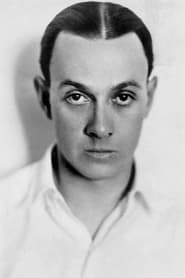
George Hackathorne
Actor
Born: February 13, 1886 in Leadville, Colorado, USA Died: December 26, 1943 Active: 1916-1930
Films
8 films
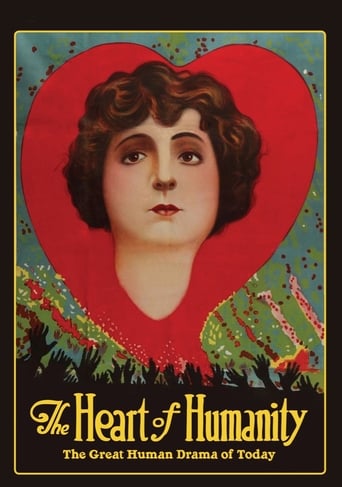
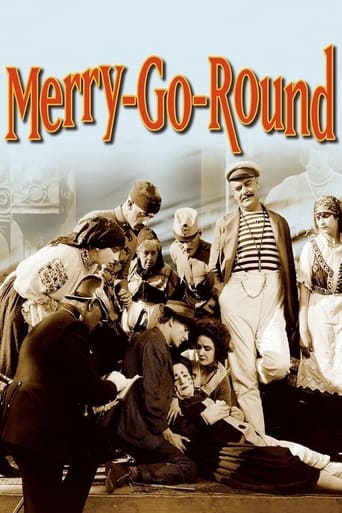
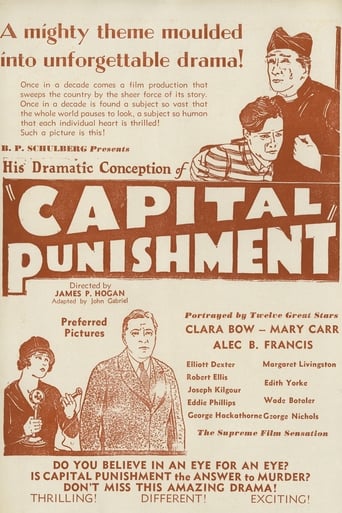
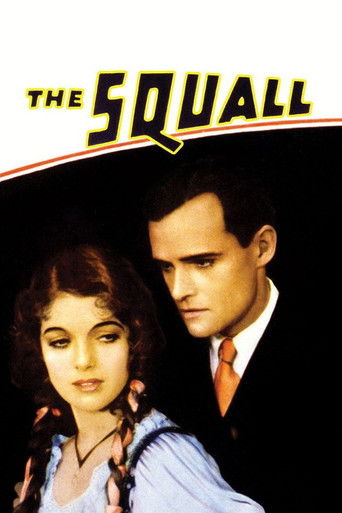
About George Hackathorne
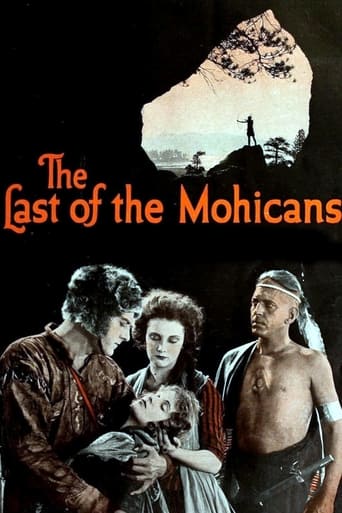
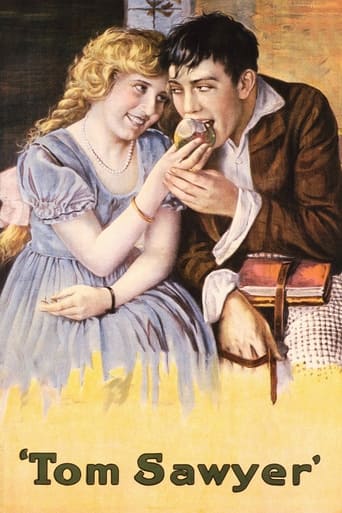
American actor who flourished during the silent film era, beginning his career on the legitimate stage before transitioning to motion pictures in the mid-1910s. He made his film debut in 1916 and quickly established himself as a reliable supporting actor, often cast as the romantic rival or villain in dramatic productions. Hackathorne worked with some of the era's most prominent directors and appeared in several significant silent films, including adaptations of classic literature like Tom Sawyer and The Last of the Mohicans. His career peaked between 1917 and 1923, during which he appeared in over 40 films for various studios including Paramount and Universal. Like many silent film actors, Hackathorne struggled to adapt to the talkies, and his film career diminished significantly by the late 1920s. He spent his final years working sporadically in smaller roles before retiring from the film industry entirely. Hackathorne passed away in Hollywood in 1943, largely forgotten by the new generation of moviegoers but remembered by film historians as a representative figure of the silent era.
The Craft
On Screen
Hackathorne was known for his expressive, theatrical acting style typical of the silent era, using exaggerated gestures and facial expressions to convey emotion without dialogue. He specialized in playing antagonists and romantic rivals, often bringing a menacing intensity to his villainous roles. His performances were marked by a commanding screen presence and the ability to convey complex emotions through subtle physical movements, making him particularly effective in dramatic scenes.
Milestones
- Breakthrough role in Tom Sawyer (1917) as Injun Joe
- Notable performance in The Heart of Humanity (1918)
- Leading role in The Last of the Mohicans (1920)
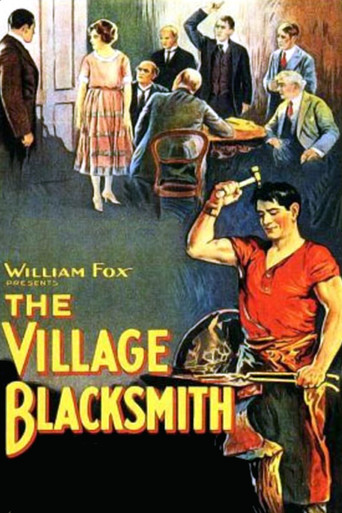
- Collaboration with director John Ford on The Village Blacksmith (1922)
- Transition to character roles in early sound films
Best Known For
Iconic Roles
Must-See Films
Working Relationships
Worked Often With
Studios
Why They Matter
Impact on Culture
George Hackathorne represents the archetype of the silent era character actor whose contributions, while not always recognized by name, were essential to the fabric of early Hollywood cinema. His portrayal of Injun Joe in the 1917 adaptation of Tom Sawyer helped establish visual conventions for portraying literary villains in film. Hackathorne's career trajectory mirrors that of many silent film actors who found themselves obsolete with the advent of sound, serving as a reminder of the technological and artistic upheaval that transformed Hollywood in the late 1920s. His performances continue to be studied by film scholars interested in the evolution of acting techniques from stage to screen.
Lasting Legacy
Though largely forgotten by mainstream audiences, George Hackathorne's legacy endures through the preservation of his films in archives and the continued study of silent cinema by film historians. His work serves as an important example of the acting styles and storytelling techniques of the silent era. Film restoration projects have brought new attention to his performances, allowing modern audiences to appreciate the craft of early film actors. Hackathorne's career illustrates both the opportunities and limitations faced by character actors during Hollywood's formative years.
Who They Inspired
Hackathorne influenced subsequent generations of character actors through his dedication to craft and his ability to create memorable performances within the constraints of silent film technology. His approach to villainous roles helped establish archetypes that would be refined by later actors in sound films. Younger actors who worked with him often cited his professionalism and work ethic as inspirations for their own careers.
Off Screen
George Hackathorne maintained a relatively private personal life away from the Hollywood spotlight. He married actress Josephine Crowell in 1919, though the marriage ended in divorce. He was known among his contemporaries as a dedicated professional who took his craft seriously, often studying scripts extensively before filming. Hackathorne was also interested in music and played several instruments in his spare time. After his acting career declined, he lived quietly in Hollywood, occasionally working as an extra in background roles.
Education
Limited formal education; trained in theater through practical experience and apprenticeships with traveling theater companies
Family
- Josephine Crowell (1919-1924)
Did You Know?
- Began his career as a stage actor in traveling theater companies before transitioning to films
- Appeared in over 60 films during his career, though many are now lost
- Was particularly adept at portraying villains and antagonists, a type he was frequently cast as
- His performance as Injun Joe was considered
- Worked as an extra in several films after his starring roles diminished
- Was a skilled horseman, which made him valuable for Western and adventure films
- Never fully adapted to sound films, contributing to his career decline
- His death in 1943 received little media attention, reflecting his diminished status in Hollywood
- Several of his films have been preserved by the Library of Congress
- Was known for his distinctive piercing eyes, which enhanced his villainous screen presence
In Their Own Words
In the silent pictures, your eyes had to do the talking. Every gesture meant something, every glance told a story.
The talkies changed everything. Some of us made the transition, others didn't. It was the end of an era.
Frequently Asked Questions
Who was George Hackathorne?
American with credits in this catalog. He was known for his supporting roles and villainous characters in numerous silent films, including adaptations of classic literature.
What films is George Hackathorne best known for?
Titles linked here include Tom Sawyer (1917), The Heart of Humanity (1918).
When was George Hackathorne born and when did he die?
Born February 13, 1886; died December 26, 1943.
What awards did George Hackathorne win?
George Hackathorne did not receive any major awards or nominations during his career, which was common for character actors of the silent era who were often overlooked by award institutions.
What was George Hackathorne's acting style?
Hackathorne employed the theatrical, expressive acting style typical of silent films, using exaggerated gestures and facial expressions to convey emotion. He specialized in villainous roles, bringing intensity and menace to his characters through his commanding screen presence.
Why did George Hackathorne's career end?
Hackathorne's career declined with the advent of sound films in the late 1920s. Like many silent era actors, he struggled to adapt to the new requirements of talkies, and his opportunities diminished as the industry transitioned to sound.
Was George Hackathorne married?
Yes, George Hackathorne was married to actress Josephine Crowell from 1919 to 1924. The marriage ended in divorce, and he did not remarry.