
Tom Sawyer
"Mississippi mischief and first love"
Keys: Space play/pause · ←/→ 10s · F fullscreen · M mute · </> speed
About this film
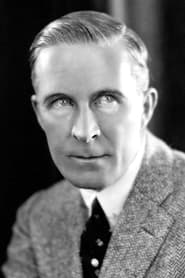
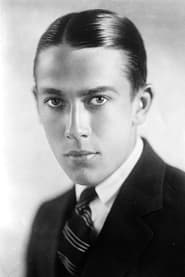
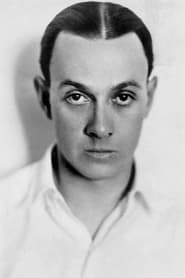
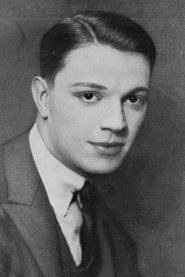
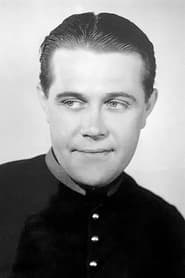
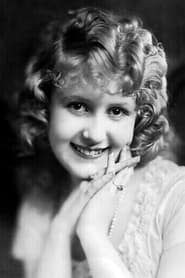
William Desmond Taylor films Twain in Pleasanton with Jack Pickford as Tom and Robert Gordon as Huck. Silent version of the Twain tale, filmed in Pleasanton, California. A Missouri boy (Jack Pickford) encounters his first love (Clara Horton) and bucks responsibilities to find adventure with his friend, Huck Finn (Robert Gordon).
Cast & crew
More films like this
More Comedy films
View all →







More from William Desmond Taylor
View all →
More about this film
About the production
Release dateMarch 19, 1917
Box officeUnknown
ProductionParamount Pictures, Famous Players Film Company
Filmed inPleasanton, California, Niles, California
This was one of the earliest feature-length adaptations of Mark Twain's work. The film was shot on location in California's Alameda County, with the production taking advantage of the rural landscape to stand in for 19th-century Missouri. Director William Desmond Taylor, known for his efficiency, completed the film relatively quickly. The production used local residents as extras and built several period-appropriate sets for the Mississippi River town scenes.
Themes
Themes & topics
Mississippi RiverTreasure huntMurder witnessFirst loveChildhood adventureFriendshipCave explorationSchool daysRunning awaySmall town life
Historical background
1917 placed Tom Sawyer within United States cinema as Paramount Pictures navigated wartime markets, immigration audiences, and the shift from intertitles to sound.
Why this film matters
Archivists revisit Tom Sawyer (1917) for William Desmond Taylor style, genre norms at Paramount Pictures, and the exhibition context of 50 minutes (5 reels) programming.
Making of
The production of 'Tom Sawyer' in 1917 represented a significant undertaking for Famous Players Film Company, as adapting such a beloved American literary work carried high expectations. Director William Desmond Taylor, who had experience directing both dramatic and comedic films, was chosen for his ability to handle the story's blend of adventure, humor, and coming-of-age elements. Jack Pickford's casting as Tom was strategic, leveraging his fame as Mary Pickford's brother while also capitalizing on his natural boyish charm and athletic abilities, which were essential for the many action sequences. The filming in Pleasanton provided an authentic rural backdrop, though the production team had to construct artificial river scenes and build entire sets to represent the fictional town of St. Petersburg, Missouri. The cast underwent extensive rehearsals to perfect the physical comedy and dramatic moments required for silent storytelling, where facial expressions and body language were paramount. The film's success helped establish the viability of literary adaptations as profitable feature films during the early Hollywood era.
What critics said
Retrospective writing on Tom Sawyer stresses craft by William Desmond Taylor, print survival, and repertory value rather than opening-week gross alone.
Did you know?
- Jack Pickford, who played Tom Sawyer, was the younger brother of America's Sweetheart Mary Pickford and was known as 'The Prince of Hollywood' during his career.
- Director William Desmond Taylor would be murdered under mysterious circumstances just five years after this film's release, in one of Hollywood's most famous unsolved crimes.
- This was the first feature-length adaptation of Tom Sawyer, though there had been earlier short versions.
- The film was shot in Pleasanton, California, which was chosen for its resemblance to 19th-century Missouri river towns.
- Clara Horton, who played Becky Thatcher, was only 16 years old during filming and would later become a successful character actress in sound films.
- Robert Gordon, who played Huck Finn, was a child actor who appeared in numerous films during the silent era but largely retired from acting after transitioning to adulthood.
- The film was released by Famous Players Film Company, which would later become part of Paramount Pictures.
- Unlike many silent films of the era, this adaptation attempted to stay relatively faithful to Twain's original novel.
- The production faced challenges recreating the Mississippi River setting in California, requiring creative set design and location choices.
- This film is now considered lost, with no complete copies known to exist, though fragments and still photographs survive.
Awards & recognition
- No major awards were given for this film in 1917, as the first Academy Awards would not be presented until 1929
Visual style
The cinematography of 'Tom Sawyer' was handled by James Van Trees, who employed the visual style typical of high-quality productions from 1917. The film made effective use of natural light for the extensive outdoor sequences filmed in Pleasanton, creating a warm, authentic atmosphere that suited the story's rural setting. Van Trees utilized various camera techniques of the era, including tracking shots for chase sequences and careful framing to emphasize the emotional moments between characters. The cinematography successfully captured the scale of outdoor adventures while maintaining intimacy in the character-driven scenes. The artificial river sequences required innovative camera work to create convincing water effects, demonstrating the technical sophistication of the production. The visual style balanced the picturesque qualities of the California landscape with the gritty realism needed for the story's more dramatic elements, particularly in the graveyard and cave scenes.
Innovations
While 'Tom Sawyer' did not introduce revolutionary technical innovations, it demonstrated several notable technical achievements for its time. The production's use of extensive location shooting in Pleasanton was relatively ambitious for 1917, when many films were still primarily shot on studio sets. The creation of convincing Mississippi River sequences in California required sophisticated set construction and water effects techniques. The film's action sequences, including chase scenes and the cave exploration, showcased advanced stunt coordination and camera work for the period. The production also employed effective special effects for the treasure discovery scenes and the dramatic cave sequences. The film's five-reel length represented the growing trend toward feature-length storytelling in cinema, requiring more complex narrative structure and pacing techniques than shorter films. The preservation of period detail in costumes, props, and settings demonstrated the increasing attention to historical accuracy in literary adaptations.
Music
As a silent film, 'Tom Sawyer' did not have a recorded soundtrack but would have been accompanied by live musical performance during theatrical exhibitions. Theaters typically employed either piano accompaniment for smaller venues or full orchestras for premiere showings in larger cities. The musical score would have followed the common practice of the era, using popular classical pieces and original compositions tailored to match the on-screen action and emotional tone. For a film like 'Tom Sawyer,' the music would have ranged from playful, upbeat melodies for the boys' adventures to more dramatic, suspenseful themes for the Injun Joe sequences. Some theaters might have used cue sheets provided by the studio, which suggested appropriate musical pieces for specific scenes. The music would have been crucial in conveying the story's emotional beats and maintaining audience engagement throughout the fifty-minute runtime.
Famous quotes
Being a writer is a terrible way to make a living, but a wonderful way to make a life.
Work consists of whatever a body is OBLIGED to do, and that Play consists of whatever a body is not obliged to do.
The secret of getting ahead is getting started.
Memorable scenes
- The iconic fence-painting scene where Tom cleverly convinces his friends to pay him for the privilege of whitewashing the fence, demonstrating his cunning understanding of human nature and establishing his character as a clever manipulator.
- The graveyard scene where Tom and Huck witness Injun Joe commit murder, creating the story's central conflict and establishing the dark undertone that contrasts with the otherwise lighthearted adventures.
- The cave sequence where Tom and Becky get lost and discover Injun Joe's hidden treasure, combining elements of romance, danger, and adventure while showcasing the story's themes of courage and discovery.
What audiences thought
Audiences in 1917 responded enthusiastically to 'Tom Sawyer,' particularly families and younger viewers who were drawn to the adventure and familiar story. The film capitalized on the widespread familiarity with Twain's novel among American audiences of all ages, making it an accessible and popular choice during wartime when audiences sought comforting, patriotic entertainment. Jack Pickford's star power, enhanced by his connection to sister Mary Pickford, undoubtedly contributed to the film's box office success. The film's wholesome content and celebration of American boyhood resonated strongly with audiences during a period of national uncertainty due to World War I. Contemporary newspaper reports indicate that the film performed well in both urban and rural markets, with many theaters running it for multiple weeks due to popular demand. The success of this adaptation helped encourage further literary adaptations by Hollywood studios throughout the silent era.
Film connections
Influenced by
- Mark Twain's 1876 novel 'The Adventures of Tom Sawyer'
- Earlier short film adaptations of the story
- Contemporary literary adaptation trends in silent cinema
This film influenced
- Huckleberry Finn (1920)
- Tom Sawyer (1930)
- The Adventures of Tom Sawyer (1938)
- Tom Sawyer (1973)
- Tom and Huck (1995)
Film restoration
This 1917 version of 'Tom Sawyer' is considered a lost film. No complete copies are known to exist in any film archive or private collection. Only fragments, production stills, and promotional materials survive to document the film's existence. The loss of this film is particularly significant as it represents an early feature-length adaptation of one of America's most beloved literary works. Some film historians hold hope that a complete print may exist in an unidentified collection or foreign archive, as many films presumed lost have been rediscovered in recent years. The surviving materials, including photographs and contemporary reviews, provide some insight into the film's production and visual style, but the complete artistic vision of William Desmond Taylor's adaptation remains lost to time.
Where to watch
- Unfortunately, this 1917 version of 'Tom Sawyer' is not available for viewing as it is considered a lost film. No complete copies are known to exist in any archive or collection. Film enthusiasts can learn about the film through surviving photographs, contemporary reviews, and film history books. Other adaptations of Tom Sawyer are widely available, including the 1938 version available on various streaming platforms and DVD.