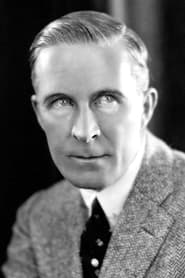
William Desmond Taylor
Actor & Director
Born: April 26, 1872 in Carlow, Ireland Died: February 1, 1922 Active: 1913-1922 Birth Name: William Cunningham Deane-Tanner
Films
5 films
About William Desmond Taylor
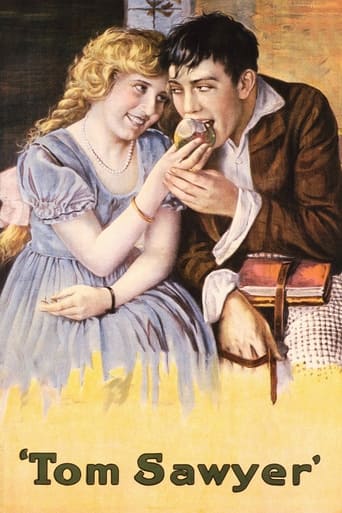
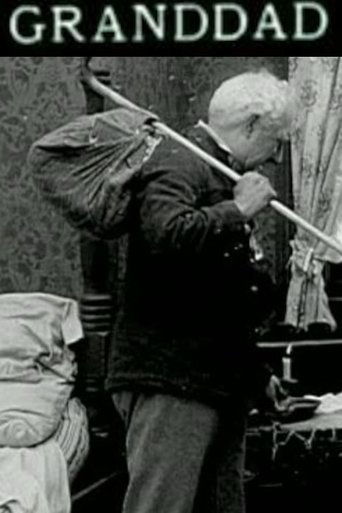
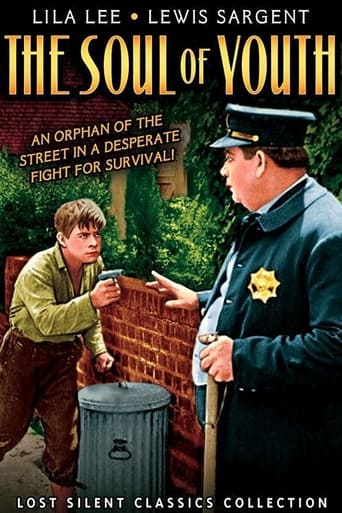
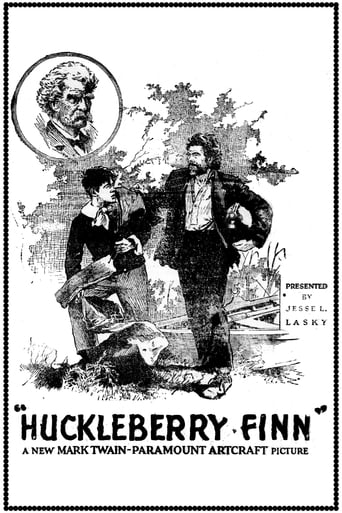
Irish-born American actor and director who became prominent figures in silent cinema before his mysterious murder at age 49. Born William Cunningham Deane-Tanner in Ireland, he emigrated to America and initially worked as a gold miner and actor on stage before transitioning to films in 1913. He began his film career as an actor, appearing in numerous shorts and features including 'Granddad' (1913), but soon found greater success behind the camera as a director. Taylor directed over 50 films between 1914 and 1922, working with major stars like Mary Miles Minter, Mary Pickford, and Wallace Reid. His most acclaimed directorial works include 'Tom Sawyer' (1917), 'The Soul of Youth' (1920), and 'Huckleberry Finn' (1920). Taylor was known for his efficient directing style and ability to elicit strong performances from his actors, particularly in dramatic roles. His promising career was cut short when he was murdered in his Los Angeles home on February 1, 1922, creating one of Hollywood's most enduring unsolved mysteries and scandals that rocked the film industry.
The Craft
On Screen
As an actor, Taylor was known for his naturalistic approach in an era of exaggerated theatrical performances. He favored subtle gestures and realistic expressions, bringing a sense of authenticity to his roles. His stage background gave him a strong command of screen presence, and he often played, paternal figures that resonated with audiences of the time.
Behind the Camera
Taylor was known for his efficient, no-nonsense directing approach that emphasized storytelling over technical flourishes. He had a keen eye for composition and used lighting to create mood and atmosphere. Taylor was particularly skilled at directing young actors and extracting nuanced performances, as evidenced in his work with child actors in adaptations of Mark Twain's novels. His films often contained social commentary and moral themes, reflecting his interest in stories with substance beyond mere entertainment.
Milestones
- Transition from successful actor to prominent director
- Directed 'Tom Sawyer' (1917), one of the earliest feature film adaptations
- Directed 'The Soul of Youth' (1920) which showcased his social consciousness
- Worked with major stars including Mary Pickford and Mary Miles Minter
- Became president of the Motion Picture Directors Association
- His murder created one of Hollywood's greatest scandals and mysteries
Best Known For
Iconic Roles
Must-See Films
Accolades
Won
- Posthumous star on Hollywood Walk of Fame
Special Recognition
- Hollywood Walk of Fame Star (1724 Vine Street)
- Motion Picture Directors Association President (1920-1922)
Working Relationships
Worked Often With
Studios
Why They Matter
Impact on Culture
William Desmond Taylor's murder had a profound impact on Hollywood culture and the public's perception of the film industry. The scandal exposed the dark underbelly of Hollywood's glamour, leading to increased media scrutiny and moral panic about the film industry's influence. His death, along with other scandals of the era, contributed to the push for Hollywood self-censorship and the eventual establishment of the Hays Code. The case also marked a turning point in the relationship between Hollywood studios and the press, leading to more careful management of stars' public images. Taylor's murder remains.
Lasting Legacy
Taylor's legacy is twofold: as a talented director who contributed significantly to early American cinema, and as the victim of Hollywood's most famous unsolved murder. His directorial work, particularly his adaptations of literary classics, helped establish the feature film format and demonstrated cinema's potential for serious storytelling. The mystery surrounding his death has captivated generations of film historians and true crime enthusiasts, spawning numerous books, documentaries, and theories. His case represents a pivotal moment in Hollywood history when the industry's carefully constructed image of innocence was shattered, forcing the film community to confront issues of crime, corruption, and scandal that would shape its development for decades to come.
Who They Inspired
Taylor influenced early Hollywood filmmaking through his efficient directing methods and his ability to work effectively with actors, particularly young performers. His adaptations of classic literature helped establish the practice of bringing respected literary works to the screen, a trend that would continue throughout Hollywood's history. The scandal of his murder indirectly influenced the industry by contributing to the implementation of moral standards and the studio system's control over stars' personal lives. His work as president of the Motion Picture Directors Association helped establish professional standards for directors that would evolve into modern directing practices and guild structures.
Off Screen
Taylor led a complex personal life marked by mystery and scandal. He mysteriously abandoned his first wife and daughter in New York in 1908, leaving them without explanation and changing his name to William Desmond Taylor. He later married actress Ethel May Taylor, though they separated. At the time of his death, he was romantically involved with actress Mary Miles Minter and was also rumored to have relationships with other Hollywood actresses. His personal life became the subject of intense media scrutiny after his murder, revealing a man who had carefully constructed a new identity while maintaining secrets from his past.
Education
Attended Marlborough College and St. Stephen's College in Dublin, Ireland; later studied at Cambridge University briefly before emigrating to America
Family
- Ethel May Taylor (1912-1918, separated)
- Evelyn Nesbit (rumored relationship, never married)
Did You Know?
- His murder weapon was never found, though a small caliber pistol was suspected
- He was a decorated veteran of the Boer War and World War I
- Taylor — accomplished amateur photographer and inventor
- He spoke multiple languages fluently including French, German, and Spanish
- His first family never learned what happened to him until after his death made headlines
- The murder investigation involved over 200 suspects at various times
- Taylor's home was allegedly bugged by private investigators hired by studios
- He was one of the first Hollywood figures to have a personal secretary
- His murder occurred during the height of the Roscoe 'Fatty' Arbuckle scandal, compounding Hollywood's PR crisis
- A love letter from Mary Miles Minter was found clutched in his hand after death
- Taylor had recently converted to Christian Science before his murder
- His film 'The Soul of Youth' was praised by reformers for its social message about adoption
In Their Own Words
I have always believed that the camera is a more honest medium than the stage, for it cannot lie
Directing is not about telling actors what to do, but about creating an environment where they can do their best work
The motion picture is the most powerful educational force in the world today
A good director must be part psychologist, part artist, and part diplomat
Silence in films is often more powerful than words could ever be
Frequently Asked Questions
Who was William Desmond Taylor?
Prominent Irish-American actor and on YTB.my. He became famous not only for his successful career behind the camera, directing films like 'Tom Sawyer' and 'The Soul of Youth,' but also for his mysterious unsolved murder in 1922, which became one of Hollywood's greatest scandals.
What films is William Desmond Taylor best known for?
Titles linked here include Tom Sawyer (1917), The Soul of Youth (1920).
When was William Desmond Taylor born and when did he die?
Born April 26, 1872; died February 1, 1922.
What awards did William Desmond Taylor win?
During his lifetime, Taylor did not receive formal awards as the modern award system had not yet been established. However, he was posthumously honored with a star on the Hollywood Walk of Fame at 1724 Vine Street. He also served as president of the Motion Picture Directors Association from 1920 until his death in 1922, recognizing his status in the industry.
What was William Desmond Taylor's directing style?
Taylor's directing style was characterized by efficiency and focus on storytelling over technical flourishes. He was known for his naturalistic approach in an era of theatrical performances, his skill at working with child actors, and his ability to create mood through lighting and composition. His films often contained social commentary and moral themes, reflecting his interest in meaningful content beyond entertainment.
Why is William Desmond Taylor's murder still famous today?
Taylor's murder remains famous because it was never solved and involved many of Hollywood's biggest stars of the era in the investigation. The scandal exposed the dark side of Hollywood's glamour, involved allegations of drug use, blackmail, and cover-ups, and contributed to the push for industry censorship. The case represents a pivotal moment when Hollywood's carefully constructed image of innocence was shattered, forever changing the relationship between the film industry and the public.
What was William Desmond Taylor's connection to Mary Miles Minter?
Taylor discovered and mentored young actress Mary Miles Minter, directing her in several films and helping establish her as a major star. They were romantically involved at the time of his death, despite Taylor being 27 years her senior. Their relationship and the love letters found after his death became central to the murder investigation and subsequent scandal, ultimately damaging Minter's career when their relationship became public knowledge.