
Granddad
"Stepmother and grandfather clash over Mildred"
Keys: Space play/pause · ←/→ 10s · F fullscreen · M mute · </> speed
About this film
Mildred is staying with her grandfather, Civil War veteran Jabez Burr, when she receives a letter from her father. Her father has re-married, and will be bringing his new wife home soon. But when Mildred's stepmother finds out that Jabez drinks, she takes a dislike to him, and begins to resent his closeness with Mildred...
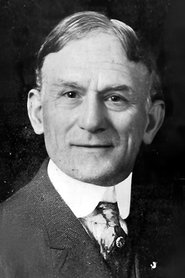
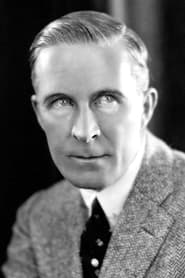
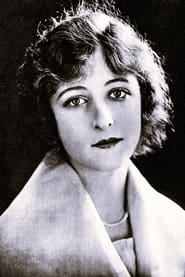
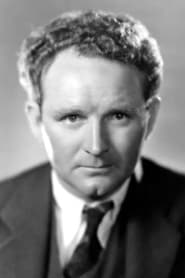
Cast & crew
More Drama films
View all →






More from Jay Hunt
View all →
More about this film
About the production
Release dateOctober 1913
ProductionAmerican Film Company
Filmed inLos Angeles, California
This was one of many short dramatic films produced by the American Film Company during the early 1910s. The film was likely shot in just a few days on a modest budget, typical of one-reel productions of the era. Director Jay Hunt was transitioning from acting to directing during this period, and this film represents his early work behind the camera.
Themes
Family loyaltyGenerational conflictPrejudice and misunderstandingAlcoholism and addictionStepfamily dynamics
Themes & topics
grandfatherstepmotherfamily conflictCivil War veteranalcoholismchild protagonistdramatic confrontationfamily bondsprejudiceemotional manipulation
Historical background
Made during the nickelodeon years around 1913, Granddad reached audiences through theatrical programs, fairground booths, or specialized distribution channels typical of its generation. Mildred is staying with her grandfather, Civil War veteran Jabez Burr, when she receives a letter from her father. Her. Historians now read such works for what they reveal about production methods, national taste, and the expanding vocabulary of screen narrative.
Why this film matters
Archivists and programmers still screen Granddad when tracing how popular entertainment evolved. Its subject—mildred is staying with her grandfather, civil war veteran jabez burr, when she receives a letter—gives later viewers tangible evidence of what drew crowds in the silent period. Home video, restorations, and festival sidebars keep the title circulating among students of film history.
Making of
The production of 'Granddad' took place during the early migration of the film industry from the East Coast to California. The American Film Company, also known as 'Flying A Studios,' was one of the pioneering studios establishing permanent facilities in California. Director Jay Hunt, who had previously worked as an actor for D.W. Griffith at Biograph, was among the many filmmakers making the transition to the West Coast. The casting of young Mildred Harris was typical of the era, where child actors were often featured in emotional family dramas. The film was likely shot in just a few days on minimal sets, with the grandfather's home interior probably being the primary location. The drinking theme was somewhat daring for the time, as temperance was a major social issue in America during the 1910s.
What critics said
Original trade coverage treated Granddad as routine program filler rather than a landmark production—common for shorts. Later criticism emphasizes preservation, stylistic comparison with contemporaries, and whatever cast or crew names later gained prominence. Contemporary writing is mostly historical: assessing completeness, influence, and place in a director's or studio's catalog.
Did you know?
- This film features future Hollywood director Frank Borzage in an acting role before he transitioned to directing in 1915
- Mildred Harris was only 11 years old when she appeared in this film, early in her career before becoming Charlie Chaplin's first wife in 1918
- William Desmond Taylor, who plays the grandfather, later became a famous Hollywood director and the victim of one of Hollywood's most infamous unsolved murders in 1922
- Director Jay Hunt began his film career as an actor with D.W. Griffith at Biograph before moving to directing
- The film was released as a one-reeler, approximately 10 minutes long, which was standard for dramatic shorts of this period
- The American Film Company was known as the 'Flying A' studios and was one of the early pioneers in California filmmaking
- This film was likely shot at the American Film Company's studio in Santa Barbara, California
- The character of Jabez Burr reflects the common portrayal of Civil War veterans in early American cinema as figures of both respect and concern due to their wartime experiences
Visual style
The cinematography of 'Granddad' would have employed the standard techniques of early 1910s cinema. The film was likely shot in black and white on 35mm film, using stationary cameras with occasional pans or tilts. Interior scenes would have been lit using natural light from studio windows supplemented by arc lamps. The visual style would emphasize clarity of composition to ensure audiences could follow the narrative despite the lack of dialogue. Close-ups were becoming more common by 1913, so key emotional moments may have been highlighted through tighter framing of the actors' faces.
Innovations
As a modest one-reel production, 'Granddad' would not have featured major technical innovations. The film would have employed standard editing techniques of the period, including continuity cutting and occasional intertitles to convey dialogue or exposition. The technical aspects would have focused on clear storytelling through visual means, with careful attention to lighting and composition to enhance the emotional impact of the family drama. The film represents the refinement of basic cinematic language that had been developed in the preceding decade.
Music
As a silent film, 'Granddad' would have been accompanied by live musical performance during theatrical exhibition. Small theaters might have featured a single pianist, while larger venues could have employed small orchestras. The musical score would have been compiled from popular pieces of the era, with selections matched to the emotional tone of each scene. Dramatic moments like confrontations between characters would have been underscored with tense, minor-key music, while tender scenes between grandfather and granddaughter would have featured softer, more lyrical passages.
Famous quotes
No dialogue available - silent film with lost intertitles
Memorable scenes
- The confrontation scene where the stepmother first discovers Jabez Burr's drinking and immediately forms her prejudice against him
- The tender moments between grandfather and granddaughter showing their close bond
- The emotional climax where Mildred must choose between loyalty to her grandfather and obedience to her stepmother
What audiences thought
Audiences in 1913 typically consumed films as part of a varied program that included newsreels, comedies, and dramatic shorts. Family dramas like 'Granddad' were popular because they presented relatable situations with clear emotional stakes. The theme of family loyalty in the face of outside interference would have resonated strongly with contemporary audiences. The film's short runtime of approximately 10 minutes meant it needed to deliver its emotional impact quickly and efficiently, a requirement that shaped the storytelling techniques of the period.
Film connections
Influenced by
- Contemporary stage melodramas
- D.W. Griffith's Biograph films
- Literary family sagas of the period
- Social problem plays addressing alcoholism
This film influenced
- Later family drama films exploring generational conflict
- Films dealing with addiction and family impact
- Stepfamily narrative films
Film restoration
Lost film - No known copies of 'Granddad' (1913) survive in any film archive or private collection. The film is among the approximately 75% of American silent films that have been lost due to neglect, deterioration, or deliberate destruction.
Where to watch
- Not available - The film is considered lost and cannot be viewed by modern audiences