
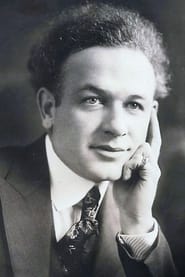
J. Barney Sherry
Actor
Born: January 4, 1879 in Camden, New Jersey, United States Died: February 22, 1944 Active: 1912-1922 Birth Name: Joseph Barney Sherry
Films
8 films
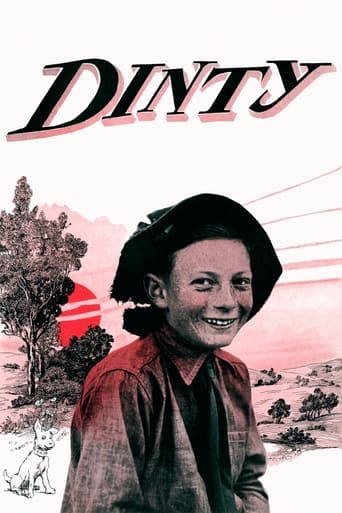
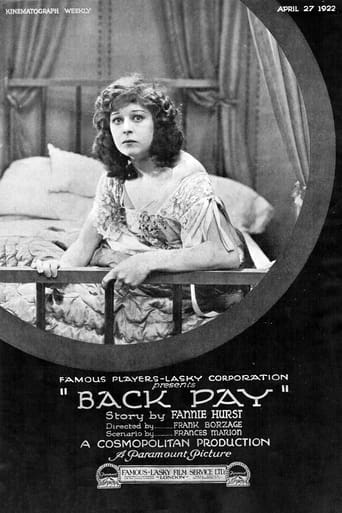
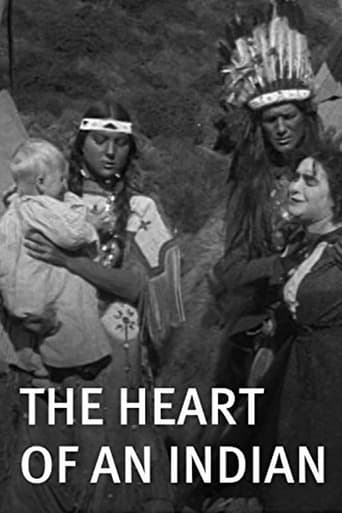
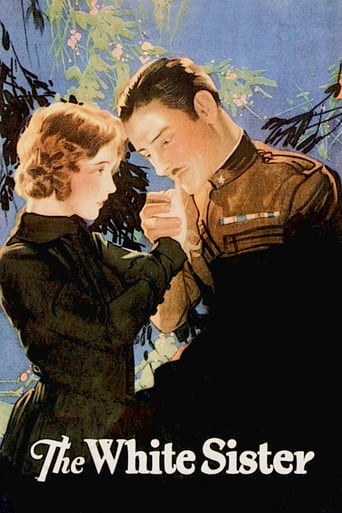
About J. Barney Sherry
prolific character actor during the silent film era — known for his distinctive presence and versatility across numerous productions between 1912 and 1922. He began his film career at the dawn of the Hollywood studio system, appearing in early westerns and dramas that helped define American cinema's visual language. Sherry worked with several prominent directors of the time, including Thomas H. Ince, and appeared alongside many of the era's biggest stars in supporting and character roles. His the crucial transitional period when cinema evolved from short subjects to feature-length narratives. Though never a leading man, Sherry became a reliable presence in Hollywood, appearing in over 100 films during his decade-long career. He often portrayed authority figures, villains, or comic relief characters, demonstrating remarkable range within the constraints of silent performance. His final film appearances came in the early 1920s as the industry began transitioning to sound, marking the end of his contribution to the silent era.
The Craft
On Screen
Sherry was known for his expressive face and physical presence in silent films, using exaggerated gestures and facial expressions characteristic of the era. He specialized in character roles that required quick emotional shifts, often playing stern authority figures or comical sidekicks. His performances were marked by a theatrical background that translated well to the screen, allowing him to convey complex emotions without dialogue.
Milestones
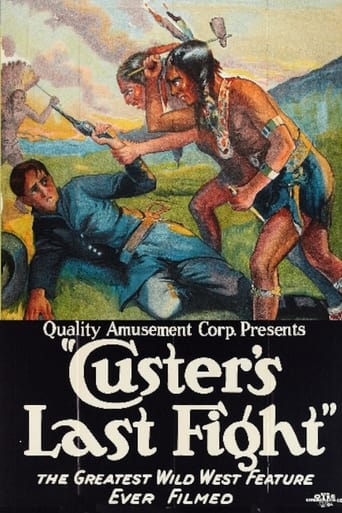
- Film debut in Custer's Last Fight (1912)
- Prolific character actor with over 100 film appearances
- Worked with director Thomas H. Ince
- Appeared in early feature-length films during cinema's transition
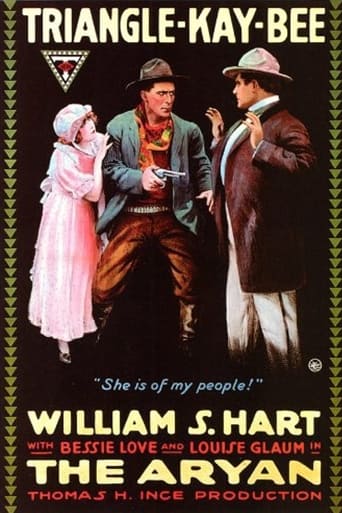
- Notable supporting role in The Aryan (1916)
Best Known For
Iconic Roles
Must-See Films
Working Relationships
Worked Often With
Studios
Why They Matter
Impact on Culture
J. Barney Sherry represents the working actors who formed the backbone of early Hollywood, contributing to the development of American cinema during its formative years. While never a star, his consistent work ethic and versatility helped establish the importance of character actors in supporting the narrative structure of early films. His numerous appearances across various genres and studios exemplified the studio system's reliance on reliable supporting talent during the silent era.
Lasting Legacy
Sherry's legacy lies in his contribution to over 100 silent films, many of which are now considered important artifacts of early American cinema. His work with directors like Thomas H. Ince places him within the historical context of Hollywood's establishment as the center of global film production. Though largely forgotten by mainstream audiences, film historians recognize him as part of the essential foundation of character acting in American cinema.
Who They Inspired
As a character actor during the silent era, Sherry helped establish the importance of supporting performances in film narrative structure. His ability to quickly establish character types without dialogue influenced subsequent generations of character actors who understood the value of distinctive physical presence and clear emotional expression in visual storytelling.
Off Screen
J. Barney Sherry was born Joseph Barney Sherry in Camden, New Jersey, and began his career in theater before transitioning to films. He married actress and screenwriter Evelyn Selbie in 1915, and the couple often worked together in films. After his film career ended in the early 1920s, Sherry largely retired from entertainment and lived a private life until his death in 1944 at the age of 65.
Family
- Evelyn Selbie (1915-1929)
Did You Know?
- Appeared in over 100 films during his decade-long career
- Began his career in vaudeville and theater before moving to films
- Often worked with his wife Evelyn Selbie in the same productions
- Was part of Thomas H. Ince's stock company of actors
- Appeared in some of the earliest feature-length westerns
- His career ended just as the transition to sound films began
- Worked with cowboy star William S. Hart on multiple occasions
- Often played villains or authority figures due to his stern appearance
- Was part of the first wave of East Coast actors who moved to Hollywood
- His filmography includes many lost films from the silent era
Frequently Asked Questions
Who was J. Barney Sherry?
Prolific American character with credits in this catalog. He was known for his versatile supporting roles in westerns, dramas, and comedies, working with directors like Thomas H. Ince and alongside stars such as William S. Hart.
What films is J. Barney Sherry best known for?
Titles linked here include Custer's Last Fight (1912), The Bargain (1914).
When was J. Barney Sherry born and when did he die?
Born January 4, 1879; died February 22, 1944.
What awards did J. Barney Sherry win?
J. Barney Sherry did not receive major awards during his career, which was common for character actors in the silent era before the establishment of formal award systems like the Academy Awards. His recognition came from his consistent employment and the respect of his colleagues in the film industry.
What was J. Barney Sherry's acting style?
Sherry's acting style was typical of the silent era, emphasizing expressive facial gestures and physical presence to convey emotions without dialogue. He specialized in character roles, often portraying authority figures, villains, or comic relief with a theatrical approach that translated well to the screen.
Did J. Barney Sherry work with any famous directors?
Yes, Sherry worked extensively with director Thomas H. Ince, who was instrumental in developing the Hollywood studio system. He also collaborated with other notable directors of the era and was part of Ince's stock company of actors at the New York Motion Picture Company.
Why did J. Barney Sherry's career end in 1922?
Sherry's film career ended around 1922, likely due to the industry's transition to sound films and his advancing age. Many silent era actors found it difficult to adapt to the new requirements of sound cinema, and Sherry, like many character actors of his generation, chose to retire rather than make the transition.