
The Aryan
"Gold rage and desert captivity"
Keys: Space play/pause · ←/→ 10s · F fullscreen · M mute · </> speed
About this film
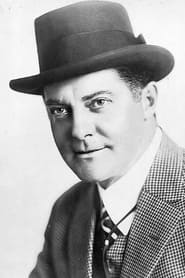
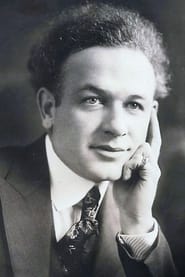
Steve Denton, rich from years of prospecting, is fleeced by the citizens of Yellow Ridge. In his rage, he kidnaps the woman most responsible and makes her his slave in a desert hideaway.
Cast & crew
More films like this

More Western films
View all →

More from William S. Hart
View all →


More about this film
About the production
Release dateDecember 3, 1916
ProductionNew York Motion Picture Company, Triangle Film Corporation
Filmed inLos Angeles, California, Mojave Desert, California
The Aryan was produced during William S. Hart's peak period as a Western star at Triangle Film Corporation. The film featured extensive location shooting in the Mojave Desert, which was unusual for the time as many Westerns were still being shot on studio backlots. Hart was known for his insistence on authenticity, often performing his own stunts and demanding realistic props and costumes. The desert scenes were particularly challenging due to extreme temperatures and limited access to water for the cast and crew. Hart's production team had to transport equipment by horse-drawn wagons to remote locations, making this a logistically demanding production even by 1916 standards.
Themes
Themes & topics
Historical background
The Aryan reached screens around 1916, produced in its country of origin. Silent-era houses paired such titles with live music and newsreel bills.
Why this film matters
Researchers cite The Aryan when tracing screen culture of its decade.
Making of
The production of The Aryan took place during a pivotal moment in American cinema when feature-length films were becoming the industry standard. William S. Hart, already a major star, had significant creative input during filming and often collaborated closely with the director (in this case, himself). The desert sequences presented enormous challenges, as the cast and crew had to camp for days in remote locations with limited supplies. Hart's dedication to authenticity extended to every aspect of production, from the historically accurate costumes to the genuine antique props he collected. The film's controversial themes and title generated some controversy even in 1916, but Hart's popularity helped ensure the film's commercial success. The relationship between Hart and his co-star Gertrude Claire was particularly noted by contemporary reviewers, who praised their on-screen chemistry despite the film's dark subject matter.
What critics said
Reviewers in 1916 weighed The Aryan on clarity, pacing, and audience response rather than prestige status. No single canonical review dominates later reference works for the title.
Did you know?
- William S. Hart was one of the first Western stars to insist on realistic portrayals of the Old West, rejecting the romanticized versions common in earlier films.
- The film's controversial title 'The Aryan' referred to the protagonist's perceived racial purity rather than any political ideology, as the term had different connotations in 1916.
- Hart performed his own stunts in the film, including dangerous scenes involving horses and desert conditions that would be considered too risky by modern standards.
- The Aryan was one of the last films Hart made before establishing his own production company, giving him more creative control over his subsequent projects.
- The desert location filming required the cast and crew to endure temperatures exceeding 100 degrees Fahrenheit for extended periods.
- Gertrude Claire, who played the female lead, was a frequent collaborator with Hart and appeared in over a dozen of his films.
- The film's themes of revenge and redemption were characteristic of Hart's Westerns, which often featured morally complex protagonists.
- Original prints of the film featured hand-tinted color sequences, particularly in the sunset scenes, a common practice for important productions of the era.
- The Aryan was distributed internationally, with versions created for European markets that sometimes altered certain scenes to comply with local censorship standards.
- Hart's realistic acting style, which avoided the exaggerated gestures common in silent films, influenced a generation of Western performers.
Visual style
The cinematography of The Aryan was considered groundbreaking for its time, particularly the extensive location photography in the Mojave Desert. Chief photographer Joseph H. August utilized natural light to create dramatic contrasts between the harsh desert landscape and the intimate interior scenes. The film featured innovative camera techniques for 1916, including moving shots that followed characters across the desert terrain, creating a sense of scale and isolation that enhanced the narrative. August employed wide-angle lenses to capture the vastness of the desert setting, while using tighter framing for the emotional scenes between the main characters. The film also incorporated special effects techniques such as multiple exposures for the dream sequences and carefully timed shots to create the illusion of extreme weather conditions. The visual style emphasized the contrast between civilization and wilderness, using lighting and composition to reinforce the film's themes of isolation and redemption.
Innovations
The Aryan featured several technical innovations that were advanced for 1916. The film's extensive location shooting in the desert presented significant challenges that the production team overcame through creative solutions. The cinematography employed early forms of camera movement, including tracking shots that followed characters across difficult terrain. The film also utilized special effects techniques such as matte paintings to enhance the desert landscapes and create the illusion of remote, isolated locations. The production team developed portable power systems to operate cameras in remote desert areas, which was technically challenging for the time. The film's editing was also notable for its sophisticated use of cross-cutting between parallel action sequences, creating tension and dramatic irony. These technical achievements helped establish new standards for location filming in Westerns and demonstrated the growing sophistication of American film production techniques during the silent era.
Music
As a silent film, The Aryan would have been accompanied by live musical performances during its theatrical run. The original score was likely composed by a theater's music director or pianist, following the common practice of the era. The music would have included popular songs of the period as well as classical pieces adapted to fit the film's dramatic moments. For the desert sequences, composers typically used music that evoked the American West, including adaptations of Stephen Foster songs and other folk melodies. The film's emotional scenes would have been accompanied by romantic or dramatic classical pieces, while the action sequences would have featured more energetic, rhythmic music. Some theaters employed small orchestras for major productions like this, while others used a single pianist or organist. The original musical cues and compositions have been lost, as was common for silent film scores of this period.
Famous quotes
I came here seeking civilization, but found only savagery in men's hearts.
The desert has its own justice, and it is neither swift nor merciful.
You took my gold, but I will take something far more precious from you.
In this wilderness, God is the only law, and survival is the only commandment.
Memorable scenes
- The opening sequence showing Steve Denton's arrival in Yellow Ridge with his gold, establishing the town's corrupt nature through subtle visual cues and character interactions.
- The dramatic kidnapping scene where Steve, pushed to his breaking point, seizes his antagonist and carries her away into the desert.
- The extended desert sequence where Steve forces his captive to work in the harsh environment, showcasing both characters' transformation through the ordeal.
- The climactic confrontation where both characters face their moral choices amid the vast, unforgiving landscape.
- The final sunset scene, beautifully photographed and possibly hand-tinted in original prints, symbolizing redemption and new beginnings.
What audiences thought
The Aryan was a commercial success upon its release, drawing large audiences to theaters across the United States. Contemporary audience reports indicate that viewers were particularly moved by Hart's performance and the film's dramatic desert sequences. The film's themes of revenge and justice resonated strongly with audiences of the time, many of whom were familiar with stories of frontier justice. Despite its dark subject matter, the film found broad appeal among both male and female viewers, with Hart's star power ensuring strong box office returns. Audience letters to film magazines of the period frequently mentioned the film's emotional impact and praised its realistic portrayal of Western life. The film's success helped solidify Hart's position as especially popular Western stars of the silent era and demonstrated that audiences were ready for more complex, morally ambiguous narratives in their entertainment.
Film connections
Influenced by
- The Story of the Kelly Gang (1906)
- The Great Train Robbery (1903)
- D.W. Griffith's Western shorts
- Contemporary dime novels about the West
This film influenced
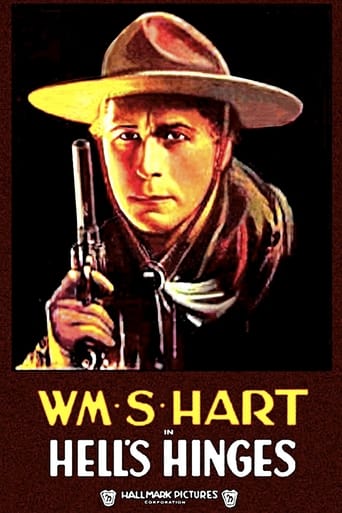
- Hell's Hinges (1916)
- The Toll Gate (1920)
- The Covered Wagon (1923)
- The Iron Horse (1924)
- Stagecoach (1939)
Film restoration
The Aryan is partially preserved with some scenes missing or damaged. The Library of Congress holds an incomplete copy of the film, while the Museum of Modern Art possesses another version with different missing segments. Several archives worldwide hold fragments of the film, but no complete version is known to exist. The surviving elements show varying degrees of deterioration, with some scenes suffering from nitrate decomposition common to films of this era. Restoration efforts have been ongoing, with some institutions working to combine existing elements to create the most complete version possible. The film's preservation status reflects the challenges of maintaining silent-era films, with an estimated 75% of American silent films considered lost.
Where to watch
- The Aryan is available through the Library of Congress's National Audio-Visual Conservation Center for research purposes
- Some archives occasionally screen the film during silent film festivals
- Selected film societies and museums with access to archival prints may arrange screenings
- The film is not currently available on commercial streaming platforms or home video due to its preservation status
- Film historians and researchers may request access through academic institutions with archival partnerships