
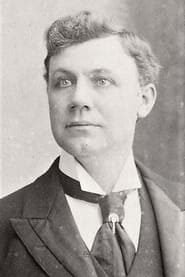
Charles K. French
Actor
Born: January 17, 1860 in Columbus, Ohio, United States Died: August 2, 1952 Active: 1909-1926 Birth Name: Charles Krauss French
Films
13 films
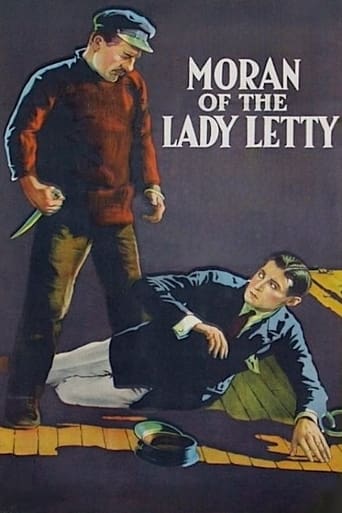

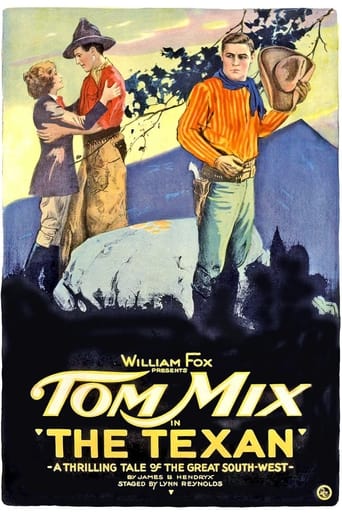
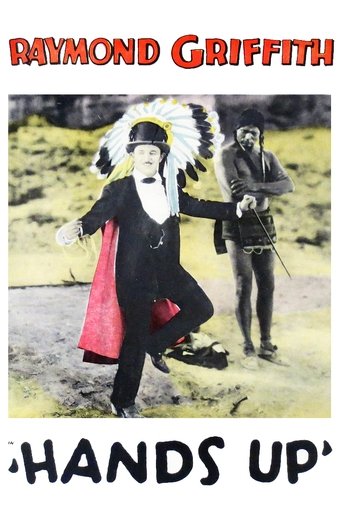
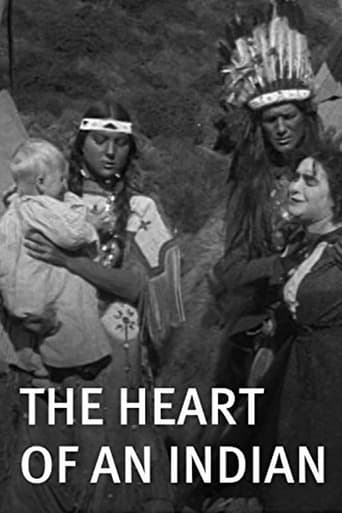
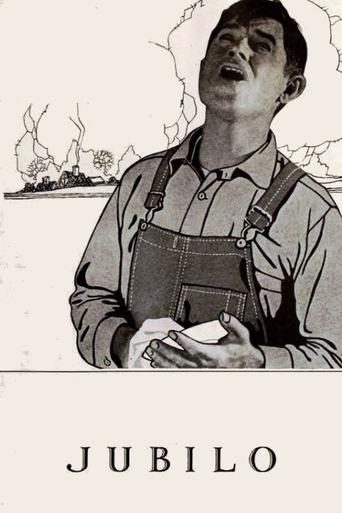
About Charles K. French
Charles K. French (1860-1952) was a prolific American character actor of the silent film era, known for his distinctive appearance and versatility in playing authoritative figures, particularly military officers, judges, and aristocrats. Beginning his film career in 1909 at the age of nearly 50, French quickly became a familiar face in early Hollywood productions, appearing in over 200 films during his 17-year career. He worked extensively with directors like Thomas H. Ince and D.W. Griffith, establishing himself as reliable character actors of the period. French's mature, appearance made him particularly valuable for roles requiring gravitas and authority, and he often played fathers, military leaders, and government officials. Despite his prolific output, he remained primarily a supporting actor, never achieving leading man status but becoming an essential part of the Hollywood studio system. His the transition from short films to feature-length productions, and he appeared in several historically significant silent epics. French retired from acting in 1926, living another 26 years after his film career ended.
The Craft
On Screen
French was known for his dignified, authoritative presence and naturalistic acting style that was ahead of its time in the silent era. He employed subtle facial expressions and controlled body language to convey emotion, avoiding the exaggerated gestures common among many silent film actors. His mature, commanding presence made him particularly effective in roles requiring gravitas and respect. French had a distinctive baritone voice that, while unused in silent films, contributed to his stage presence and helped him land authoritative roles. He was particularly skilled at portraying complex authority figures with both strength and vulnerability.
Milestones
- Film debut in The Cord of Life (1909)
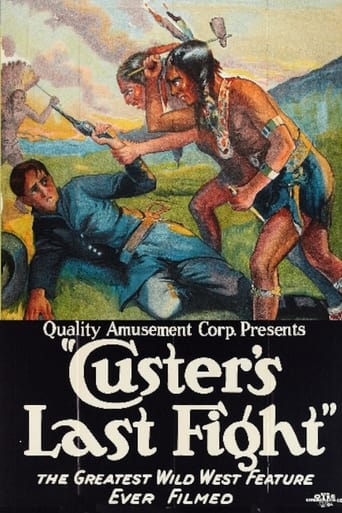
- Key role in Custer's Last Fight (1912)
- Supporting role in The Bargain (1914)
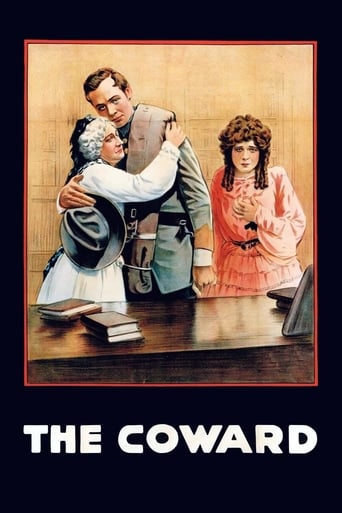
- Performance in The Coward (1915)
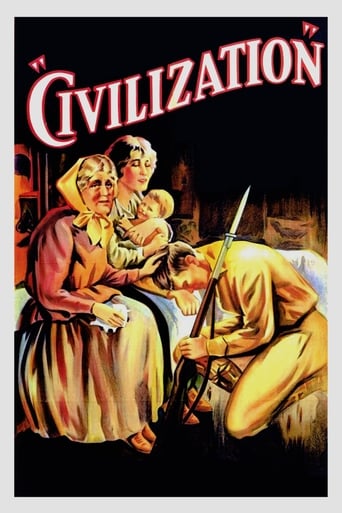
- Appeared in the epic Civilization (1916)
- Worked with Thomas H. Ince at Inceville
- Over 200 film appearances in 17 years
- Transitioned successfully from shorts to features
Best Known For
Iconic Roles
Must-See Films
Accolades
Special Recognition
- member of early Hollywood film community
- Recognized for contributions to silent cinema by film historians
Working Relationships
Worked Often With
Studios
Why They Matter
Impact on Culture
Charles K. French represents the archetype of the reliable character actor who formed the backbone of early Hollywood cinema. His extensive filmography provides valuable documentation of the evolution of American cinema from short films to feature-length productions. French's work in historical epics like 'Custer's Last Fight' and 'Civilization' helped establish visual conventions for portraying American history on screen that would influence filmmakers for decades. His ability to convey authority and dignity on screen contributed to the development of the character actor as a specialized profession in Hollywood. French's career trajectory, beginning in middle age and spanning the crucial transitional years of American cinema, makes him an important figure for understanding the professionalization of acting in the early film industry.
Lasting Legacy
Charles K. French's legacy lies in his contribution to the establishment of character acting as a vital component of Hollywood storytelling. His extensive body of work serves as a valuable resource for film historians studying the development of American cinema, particularly the silent era. French demonstrated that actors could build successful careers without being leading stars, paving the way for future generations of character actors. His performances in historically significant films have been preserved and studied by cinema scholars, providing insight into early 20th-century acting techniques and film production methods. While not a household name today, French's work continues to be appreciated by silent film enthusiasts and cinema historians for its craftsmanship and historical importance.
Who They Inspired
French influenced the development of supporting roles in early cinema by demonstrating the importance of reliable, professional character actors in building compelling narratives. His work with directors like Thomas H. Ince helped establish professional standards for film acting that would become industry norms. French's naturalistic style, avoiding the exaggerated gestures common in early cinema, influenced younger actors moving toward more subtle performance techniques. His ability to portray authority figures with depth and humanity set a template for future character actors in similar roles. The professionalism and consistency he brought to his hundreds of film appearances helped establish the reputation of character actors as essential elements of film production.
Off Screen
Charles K. French led a relatively private life off-screen, with limited public information about his personal affairs. He began his film career relatively late in life at nearly 50 years old, suggesting he may have had another profession before entering the movie industry. French was married and had at least one child, maintaining a stable family life throughout his Hollywood career. After retiring from films in 1926, he lived in Los Angeles for the remainder of his life, maintaining connections with the film community but largely staying out of the public eye. His longevity allowed him to witness the entire transition from silent films to sound cinema, though he chose not to participate in talking pictures.
Education
Limited public information available about his formal education
Family
- Emma French (married 1885-1945, her death)
Did You Know?
- Began his film career at age 49, unusually old for a film debut in that era
- Appeared in over 200 films in just 17 years, averaging more than 10 films per year
- Often typecast as military officers due to his tall, imposing stature
- Worked at Inceville, Thomas H. Ince's innovative studio complex
- Survived the transition from short one-reel films to feature-length productions
- Was one of the few actors from the 1909-1910 period to remain active into the mid-1920s
- Never appeared in a sound film, retiring before the talkie revolution
- His real name was Charles Krauss French, though he rarely used his middle name professionally
- Worked with many of the directors of early American cinema
- His film 'Custer's Last Fight' (1912) was considered lost for decades before a copy was discovered
In Their Own Words
Acting in pictures is not so different from the stage, except you must learn to express yourself with your eyes rather than your voice
In this business, a man who can play a convincing father or judge will never be out of work
The secret to longevity in pictures is simple: always be professional, always be on time, and never give the director trouble
Frequently Asked Questions
Who was Charles K. French?
Prolific American character with credits in this catalog. He was known for playing authority figures like military officers, judges, and patriarchs, becoming.
What films is Charles K. French best known for?
Titles linked here include Custer's Last Fight (1912), The Bargain (1914).
When was Charles K. French born and when did he die?
Born January 17, 1860; died August 2, 1952.
What awards did Charles K. French win?
Charles K. French did not receive any major formal awards during his career, as the Academy Awards were not established until 1929, three years after his retirement. However, he is recognized by film historians for his significant contributions to early American cinema and his extensive body of work.
What was Charles K. French's acting style?
French was known for his naturalistic and dignified acting style, which was more subtle than many silent film actors of his era. He relied on controlled facial expressions and body language rather than exaggerated gestures, making him particularly effective in conveying authority and gravitas in his character roles.