Custer's Last Fight
"Custer rides to his last stand at Little Bighorn."
Keys: Space play/pause · ←/→ 10s · F fullscreen · M mute · </> speed
About this film
Custer's Last Fight George Armstrong Custer's final battle against the forces of Sitting Bull at the Battle of the Little Bighorn.
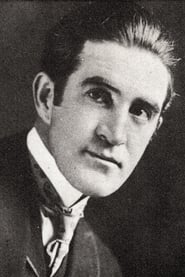
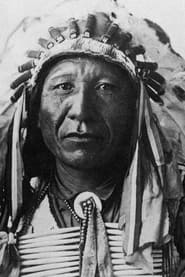
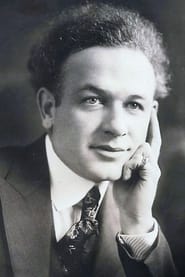
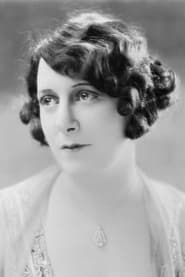
Cast & crew
More Western films
View all →

More from Francis Ford
View all →
More about this film
About the production
Release dateJuly 1912
Box officeUnknown - but it was considered commercially successful and helped establish Francis Ford as a director
ProductionNew York Motion Picture Company, Bison Motion Pictures
Filmed inSanta Monica, California, Bronson Canyon, Hollywood Hills
This was one of the first films to depict the Battle of Little Bighorn, using actual Native American actors including William Eagle Shirt. The production utilized over 100 extras for the battle sequences, which was ambitious for 1912. Francis Ford both directed and starred in the film, common practice in early cinema. The battle scenes were filmed in a single day using multiple cameras to capture different angles of the action.
Themes
Heroism and sacrificeManifest Destiny and westward expansionCultural conflict between Native Americans and European settlersThe mythologizing of American historyMilitary honor and duty
Themes & topics
Battle of Little BighornGeneral Custer7th CavalrySitting BullNative AmericansHistorical dramaWesternCavalryLast standAmerican frontierMilitary defeatWestward expansion
Historical background
Released in 1912, Custer's Last Fight reached audiences during the silent era, when exhibition and production norms differed sharply from today's.
Why this film matters
Custer's Last Fight remains viewable through digital archives, preserving 1912 screen culture for modern audiences.
Making of
The production of 'Custer's Last Fight' was typical of the fast-paced filmmaking of the early 1910s. Francis Ford, having learned his craft at Thomas Edison's studio, brought a professional approach to the relatively new genre of western films. The battle sequences were choreographed with military precision, with Ford drawing on his experience staging action scenes for previous productions. The Native American performers were recruited from local communities and paid a daily wage, which was progressive for the time. The film was shot in just three days, with the climactic battle taking an entire day to film. Ford insisted on multiple takes to ensure the action looked authentic, which was unusual for the period when most scenes were shot in a single take. The production faced challenges with the California summer heat, which made wearing the heavy wool uniforms and authentic costumes difficult for the actors.
What critics said
Trade coverage around 1912 discussed Custer's Last Fight in terms of craft and audience appeal rather than blockbuster scale.
Did you know?
- Francis Ford was the older brother of director John Ford, and this film helped launch both their careers in Hollywood
- William Eagle Shirt, who played Sitting Bull, was an actual Lakota Sioux actor and one of the first Native Americans to appear in a major film role
- The film was so successful that it spawned a 1925 remake by the same studio
- This was one of the first films to depict Native Americans with some degree of authenticity, though still through the lens of white filmmakers
- The battle sequences used innovative techniques for the time, including camera movement and multiple angles
- The film was originally titled 'Custer's Last Stand' but was changed to 'Custer's Last Fight' for marketing purposes
- J. Barney Sherry, who played General Custer, was a stage actor who transitioned to films and became a popular leading man
- The film's success led to a series of Custer-themed westerns throughout the 1910s
- Original prints of the film were tinted different colors to indicate day and night scenes
- The film was distributed internationally and was particularly popular in Europe where American westerns were gaining an audience
Visual style
The cinematography by Carl Gregory was innovative for its time, utilizing multiple camera positions during the battle sequences to create a sense of scale and action. Gregory employed panning shots to follow the movement of cavalry and warriors across the battlefield, a technique still relatively new in 1912. The film made effective use of the California landscape, with the Santa Monica locations standing in for the Montana terrain of Little Bighorn. Natural lighting was used throughout, with the cinematographer taking advantage of the California sun to create dramatic shadows during the battle scenes. The original prints featured hand-tinting, with amber tones for day scenes and blue tones for night sequences.
Innovations
For a 1912 production, 'Custer's Last Fight' featured several technical innovations. The use of multiple cameras to capture the battle sequence from different angles was advanced for the period and allowed for more dynamic editing. The film employed some of the earliest uses of camera movement to follow action across the battlefield. The production utilized over 100 extras in coordinated movement, requiring sophisticated planning and communication methods for the time. The film's editing, particularly in the battle scenes, was more rapid than typical of the period, creating a sense of urgency and chaos. The use of actual firearms with blanks (though carefully controlled) added realism to the combat sequences.
Music
As a silent film, 'Custer's Last Fight' would have been accompanied by live musical performance during theatrical exhibition. Typical scores for westerns of this period included popular American folk songs, military marches, and classical pieces adapted for the western setting. The battle scenes would have been accompanied by dramatic, percussive music to enhance the action. Specific compositions likely included 'The Star-Spangled Banner' for patriotic moments, various Native American-themed melodies (often stereotypical), and classical pieces like Wagner's 'Ride of the Valkyries' for the cavalry charges. The exact musical selections would have varied by theater and the skills of the resident musicians.
Famous quotes
There are not enough Indians in the world to defeat the 7th Cavalry!" - Custer (as portrayed in the film)
Today is a good day to die!" - Sitting Bull (as portrayed in the film)
We ride to glory or to death!" - Custer rallying his troops
Memorable scenes
- The climactic battle sequence showing Custer's last stand on the hill, with the cavalry surrounded by overwhelming numbers of Native American warriors
- The scene where Custer divides his forces, a decision that historically led to the defeat
- The final moments showing the fallen cavalry and the victorious Native American warriors overlooking the battlefield
What audiences thought
The film was highly popular with audiences of 1912, who were fascinated by its depiction of recent American history. Contemporary theater owners reported strong attendance, particularly in western states where the story had personal resonance for many families. The film's success led to extended runs in several cities and helped establish Francis Ford as a bankable director. Audience letters to trade publications frequently mentioned the emotional impact of the battle scenes and the authenticity of the costumes and settings. The film's popularity contributed to a wave of Custer-related media throughout the 1910s, including books, plays, and other films.
Film connections
Influenced by
- Stage plays about Custer that were popular in the late 19th century
- Contemporary dime novels and pulp fiction about the American West
- Earlier Edison and Biograph western shorts
- Historical paintings of western scenes by artists like Charles M. Russell
- Contemporary newspaper accounts and memoirs of the Little Bighorn battle
This film influenced
- 'The Covered Wagon' (1923)
- 'Custer's Last Stand' (1936)
- 'They Died With Their Boots On' (1941)
- 'Little Big Man' (1970)
- 'Son of the Morning Star' (1991 TV miniseries)
Film restoration
The film is considered partially lost. Only fragments and a few complete sequences survive, primarily held in the Library of Congress and the Museum of Modern Art's film archives. Some footage was discovered in the 1970s in a private collection, but the complete film as originally released no longer exists. The surviving material has been preserved on safety film and digitized for archival purposes.
Where to watch
- The surviving fragments are occasionally screened at film archives and special events
- Some footage is available for viewing at the Library of Congress's Packard Campus for Audio-Visual Conservation
- Selected clips have been included in documentary collections about early western cinema
- No commercial home video or streaming release exists due to the incomplete nature of the surviving material