Films
3 films
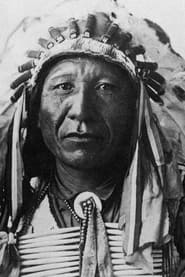
About William Eagle Shirt
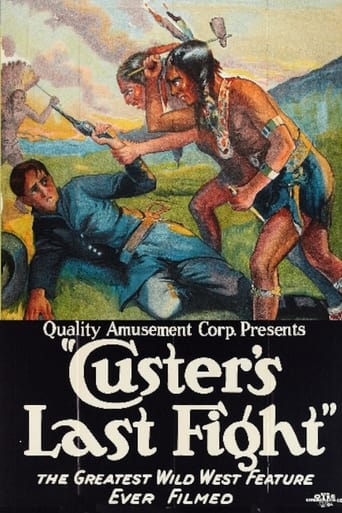
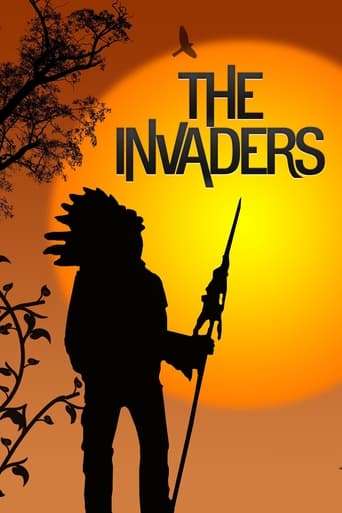
Native American actor who worked briefly in the early silent film industry during the years of American cinema. His entire known film career consisted of appearances in two significant westerns from 1912: 'Custer's Last Fight' and 'The Invaders.' These films were among the earliest productions to feature Native American actors in substantial roles, rather than having white actors in redface portray Indigenous characters. Eagle Shirt was part of a small but important group of Native American performers who brought authenticity to early westerns during an era when accurate representation was rare. His brief screen appearance coincided with the film industry's transition from short films to feature-length productions. While his career was extremely short, his participation in these early films represents an important chapter in the history of Native American representation in cinema. The limited documentation of his life and career reflects the broader challenge of preserving the contributions of early minority actors in Hollywood's formative years.
The Craft
Milestones
- Appeared in 'Custer's Last Fight' (1912)
- Appeared in 'The Invaders' (1912)
- One of the earliest Native American actors in silent cinema
Best Known For
Iconic Roles
Must-See Films
Working Relationships
Worked Often With
Studios
Why They Matter
Impact on Culture
William Eagle Shirt represents an important but often overlooked chapter in early American cinema history as one of the first Native American actors to appear in films during the silent era. His participation in 'Custer's Last Fight' and 'The Invaders' helped establish a precedent for authentic Native American representation in westerns, challenging the industry's early reliance on white actors in redface. While his screen time was brief and his career short-lived, his work contributed to the gradual evolution toward more authentic casting practices that would continue to develop throughout the 20th century. His appearance in these 1912 productions came at a time when the film industry was still establishing its conventions, making his presence particularly significant for future generations of Native American performers.
Lasting Legacy
William Eagle Shirt's legacy lies in his role as one of the earliest Native American actors in silent cinema, helping to pave the way for future Indigenous performers in Hollywood. Though his filmography consists of only two known films from 1912, his contributions represent the beginning of Native American participation in the American film industry. His work serves as an important historical marker for scholars studying the evolution of minority representation in cinema and the gradual shift toward authentic casting in western films. While detailed records of his life and career are scarce, his name appears in film histories documenting the early inclusion of Native American actors in Hollywood productions.
Who They Inspired
Due to the extremely brief nature of his career and the limited documentation of his work, William Eagle Shirt's direct influence on subsequent actors and filmmakers is difficult to trace. However, his participation in early silent westerns contributed to the broader movement toward authentic representation of Native Americans in cinema. His work, along with that of other early Native American performers, helped establish the possibility of Indigenous people telling their own stories on screen, even if this progress would be slow and uneven throughout film history. His presence in these early films represents an early challenge to the industry's stereotypical portrayals of Native Americans.
Off Screen
Very little is documented about William Eagle Shirt's personal life, which was common for supporting actors from minority backgrounds in early cinema. Like many Native American actors of his era, he likely maintained connections to his tribal community while working in the film industry. The scarcity of personal records reflects the broader historical neglect of documenting the lives of early minority performers in Hollywood.
Did You Know?
- William Eagle Shirt's entire known film career consisted of only two films, both released in 1912
- Both films he appeared in were directed by Francis Ford
- He worked during the Thomas H. Ince era at Bison Motion Pictures
- His active years covered the transition period when films were evolving from shorts to features
- Very little documentation exists about his life outside of these two film credits
- He was among the first generation of Native American actors to work in Hollywood
- Both films he appeared in were westerns, a genre that would continue to typecast Native American actors for decades
- The lack of detailed records about his life reflects the broader historical neglect of early minority actors in Hollywood
Frequently Asked Questions
Who was William Eagle Shirt?
Native American with credits in this catalog. He was among the earliest Indigenous performers in American cinema during its years.
What films is William Eagle Shirt best known for?
Titles linked here include Custer's Last Fight (1912), The Invaders (1912).
When was William Eagle Shirt active in films?
His entire known film career was limited to the year 1912, with both of his credited films released that same year.
Why is William Eagle Shirt significant in film history?
He represents an important early example of Native American representation in cinema, helping establish the precedent for authentic Indigenous casting in western films during Hollywood's formative years.
What studio did William Eagle Shirt work with?
He worked with Thomas H. Ince Productions at Bison Motion Pictures, one of the early studios that helped establish the American film industry.