Grace Cunard
Actor
Born: April 15, 1893 in St. Louis, Missouri, USA Died: January 19, 1967 Active: 1912-1934 Birth Name: Harriet Mildred Gerring
Films
3 films
About Grace Cunard
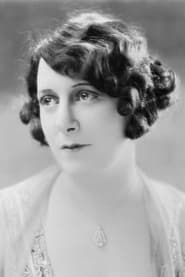
Grace Cunard, born Harriet Mildred Gerring, was a figure in early American cinema who rose to prominence during the silent film era. Beginning her career in 1912, she quickly became one of Universal Pictures' most reliable stars, particularly excelling in action-packed serials that showcased her athletic abilities and dramatic range. Cunard formed a highly successful professional partnership with director Francis Ford, with whom she collaborated on numerous films, often sharing writing and directing credits. She was among the first women to take on significant creative control in Hollywood, writing scripts and directing films at a time when such roles were rarely accessible to women in the industry. Her most productive period spanned from 1912 through the mid-1920s, during which she appeared in over 200 films, establishing herself as one of the era's most prolific actresses. Cunard's career exemplified the transition from the early wild west of filmmaking to more structured studio productions, adapting her style as the medium evolved. Though her prominence waned with the advent of sound, her contributions to early cinema, particularly in the action and serial genres, on film history.
The Craft
On Screen
Grace Cunard was known for her dynamic and athletic performing style, often performing her own stunts in action sequences. Her acting embodied the melodramatic intensity characteristic of the silent era, with expressive facial gestures and physical movements that conveyed emotion without dialogue. She specialized in strong, independent female characters who could hold their own alongside male leads, often playing adventurous heroines, detectives, and frontier women. Her screen presence combined vulnerability with determination, making her particularly effective in serials where her characters faced constant peril and required quick thinking and physical prowess.
Milestones
- Starred in Universal's popular serial series with Francis Ford
- Became one of cinema's first female action stars
- Wrote and directed her own films in the 1910s
- Appeared in over 200 films during her career
- Pioneered roles for women in action and adventure genres
Best Known For
Iconic Roles
Must-See Films
Accolades
Special Recognition
- Recognized as a woman in early Hollywood
- Cited in film histories for her contributions to serial cinema
Working Relationships
Worked Often With
Studios
Why They Matter
Impact on Culture
Grace Cunard's cultural impact lies primarily in her role as a trailblazer for women in action cinema during the silent era. At a time when female characters were often relegated to passive roles, Cunard consistently portrayed strong, capable heroines who drove the narrative forward through their own agency and abilities. Her work helped establish the template for the action heroine, influencing generations of actresses who would follow in similar roles. Cunard's behind-the-camera contributions as a writer and director also challenged gender norms in early Hollywood, demonstrating that women could successfully occupy creative leadership positions in filmmaking. Her prolific output and popularity helped shape the serial film format, which became a staple of early cinema and influenced later television programming.
Lasting Legacy
Grace Cunard's legacy endures through her contributions to early cinema, particularly in establishing precedents for women in action roles and creative positions within the film industry. Though largely forgotten by mainstream audiences, film historians recognize her as an important figure who helped define the serial film genre and expanded possibilities for women in Hollywood. Her career shows the opportunities and challenges faced by women in early cinema, illustrating both the potential for female agency and the limitations of the era. Cunard's work has been rediscovered and celebrated in film retrospectives and academic studies of silent cinema, ensuring her place in the historical narrative of Hollywood's formative years.
Who They Inspired
Grace Cunard influenced subsequent generations of actresses by demonstrating that women could successfully carry action-oriented films and serials. Her athletic performances and strong characterizations paved the way for later action heroines in both film and television. As a woman who wrote and directed her own projects, she inspired future female filmmakers to pursue creative control in an industry dominated by men. Her collaborative working relationship with Francis Ford also provided a model for creative partnerships in filmmaking. The serial format she helped perfect influenced countless later productions, from movie serials of the 1930s and 1940s to modern television series with continuing storylines.
Off Screen
Grace Cunard married actor and director Francis Ford in 1914, forming both a personal and professional partnership that would define much of her early career. The couple divorced in 1929, after which Cunard married actor Jack Mower in 1931. She had no children from either marriage. Beyond her film work, Cunard was known for her business acumen, managing her career and finances with unusual independence for a woman of her era. She retired from filmmaking in the mid-1930s and lived a relatively private life until her death in Woodland Hills, California.
Education
Limited formal education, likely completed basic schooling in St. Louis before entering show business
Family
- Francis Ford (1914-1929)
- Jack Mower (1931-1967, until his death)
Did You Know?
- Born Harriet Mildred Gerring, she adopted the stage name Grace Cunard early in her career
- She performed many of her own stunts, unusual for actresses of her era
- Cunard was one of the few women in early Hollywood to receive directing credits
- She appeared in over 200 films during her career, though many are now lost
- Her first husband Francis Ford was the older brother of legendary director John Ford
- Cunard was particularly popular with audiences in the American Midwest
- She wrote many of the scripts for films in which she starred
- Her serial 'The Broken Coin' (1915) was
- Cunard transitioned successfully from acting to writing and directing
- She retired from films before the sound era fully took hold
In Their Own Words
In the movies, we don't have time to be anything but ourselves - and we have to be interesting at that
A woman in pictures must be prepared to do anything a man can do, and sometimes do it better
Frequently Asked Questions
Who was Grace Cunard?
American actress, screenwriter, and on YTB.my. She was known for her work in action serials and was one of the few women to achieve creative control in early Hollywood, writing and directing many of her own films.
What films is Grace Cunard best known for?
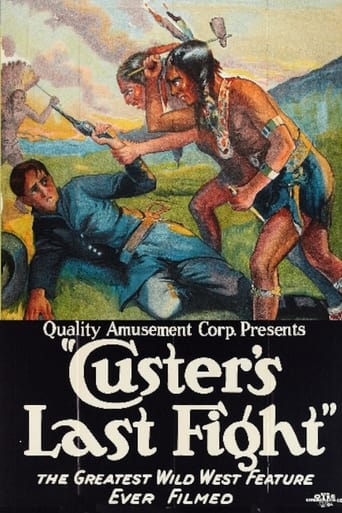
Titles linked here include Custer's Last Fight (1912), The Broken Coin (1915).
When was Grace Cunard born and when did she die?
Born April 15, 1893; died January 19, 1967.
What awards did Grace Cunard win?
While Grace Cunard did not receive formal awards during her career, she is recognized by film historians as a woman in early cinema. Her contributions to establishing women in action roles and behind-the-camera creative positions have been noted in academic studies of silent film.
What was Grace Cunard's acting style?
Cunard's acting style was dynamic and athletic, characterized by the melodramatic intensity typical of the silent era. She specialized in strong, independent female characters and often performed her own stunts, making her particularly effective in action serials where physical prowess was essential.