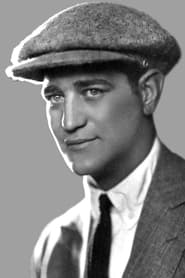
Art Acord
Actor
Born: April 17, 1890 in Stillwater, Oklahoma, USA Died: January 4, 1931 Active: 1912-1929 Birth Name: Arthemus Ward Acord
Films
5 films
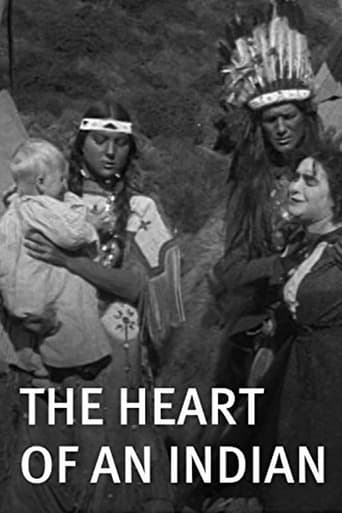
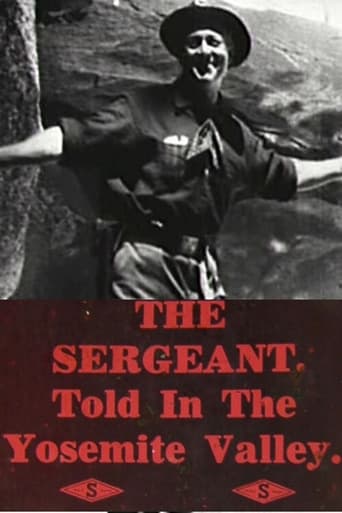
About Art Acord
Art Acord began his career as a champion rodeo performer and cowboy before transitioning to silent films in the early 1910s. He quickly rose to become popular western stars of the silent era, known for his authentic horsemanship and athletic stunts that he performed himself. His career peaked in the 1920s when he starred in numerous successful western films for Universal Studios, often playing the rugged hero who saves the day. Unlike many western stars of his time, Acord had genuine rodeo experience and championship credentials, which lent authenticity to his screen performances. His career began declining with the advent of sound films, partly due to his limited vocal range and changing audience preferences. He made a brief attempt to revive his career with sound films but found little success in the new medium. Tragically, his life ended in suicide in 1931 at the age of 40, marking the sad conclusion of a once-prominent silent film career.
The Craft
On Screen
Acord's acting style was characterized by physical prowess and authentic cowboy mannerisms developed from his real rodeo experience. He favored naturalistic movement over theatrical gestures, bringing genuine horsemanship and stunt work to his performances. His screen persona was that of the strong, silent hero who relied more on action than dialogue, which served him well in the silent era but became a limitation with the advent of sound.
Milestones
- Champion rodeo performer before entering films
- Signed by Universal Studios in 1917
- Became one of the highest-paid western stars of the 1920s
- Starred in over 100 films during his career
- Successfully transitioned from supporting roles to leading man status
- Known for performing his own dangerous stunts
Best Known For
Iconic Roles
Must-See Films
Accolades
Special Recognition
- Inducted into the Rodeo Hall of Fame (posthumously)
- Star on the Hollywood Walk of Fame (for contributions to motion pictures)
Working Relationships
Worked Often With
Studios
Why They Matter
Impact on Culture
Art Acord represented the authentic cowboy in early cinema, bringing real rodeo experience to the western genre at a time when many western stars were merely actors playing cowboys. His success helped establish the western as a legitimate film genre and demonstrated the commercial viability of authentic western performers. Acord's career trajectory mirrored the rise and fall of many silent era stars, highlighting the challenges performers faced with the transition to sound. His influence can be seen in later western stars who emphasized authentic frontier skills and realistic stunt work.
Lasting Legacy
Art Acord's legacy lies in his contribution to establishing the western genre in early cinema and his role as one of the first authentic cowboys to achieve stardom in Hollywood. While his name is less remembered today than contemporaries like Tom Mix, his influence on the western genre and stunt work in films was significant. His tragic end has become part of Hollywood lore, representing the darker side of fame during the transitional period from silent to sound films. Modern film historians recognize him as an important figure in the development of the western film genre.
Who They Inspired
Acord influenced subsequent generations of western actors by demonstrating the value of authentic cowboy skills and realistic stunt work. His success paved the way for other rodeo performers to transition into film, establishing a tradition of hiring real cowboys for western roles. His emphasis on performing his own stunts set a standard for physical authenticity in action sequences that would influence action cinema for decades. Later western stars like John Wayne and Randolph Scott benefited from the genre credibility that early stars like Acord helped establish.
Off Screen
Art Acord was married multiple times and struggled with financial difficulties in his later years. His personal life was marked by the transition from rodeo champion to film star, and later by the challenges of adapting to sound films. He was known for his rugged lifestyle both on and off screen, maintaining his cowboy persona throughout his life. His final years were marked by depression and financial struggles, which ultimately led to his tragic death.
Education
Limited formal education; primarily trained through rodeo work and practical experience
Family
- Edythe Sterling (1913-1916)
- Dolly De Rance (1919-1925)
- Louise Lorraine (1926-1928)
Did You Know?
- Was a champion rodeo rider before entering films
- Won the title of 'World's Champion Cowboy' in 1912
- Performed nearly all his own stunts, including dangerous horse falls
- Was one of the highest-paid western stars of the 1920s
- His real first name was Arthemus, which he shortened to Art
- Appeared in over 100 films during his career
- Was friends with fellow western star Tom Mix
- Struggled with the transition to sound films due to his limited vocal range
- His death was ruled a suicide by carbon monoxide poisoning
- Has a star on the Hollywood Walk of Fame at 1709 Vine Street
- Served in the U.S. Army during World War I
In Their Own Words
I'd rather ride a bucking bronco than talk to a director
The only way to play a cowboy is to be a cowboy
Stunts aren't acting when you've really done it all your life
Frequently Asked Questions
Who was Art Acord?
Silent film with credits in this catalog. He was known for performing his own stunts and bringing authentic cowboy skills to his film roles.
What films is Art Acord best known for?
Titles linked here include The White Horseman (1920), The Man from Hell's River (1922).
When was Art Acord born and when did he die?
Born April 17, 1890; died January 4, 1931.
What awards did Art Acord win?
While he didn't receive major film awards during his career, Acord — champion rodeo performer and has been posthumously honored with a star on the Hollywood Walk of Fame and induction into the Rodeo Hall of Fame.
What was Art Acord's acting style?
Acord's acting style emphasized physical authenticity and natural cowboy mannerisms derived from his real rodeo experience. He relied more on action and physical performance than dialogue, which made him successful in silent films but challenging in the sound era.
Why did Art Acord's career decline?
Acord's career declined primarily due to the transition from silent to sound films, as his limited vocal range and naturalistic style didn't translate well to talking pictures. Additionally, changing audience tastes and his personal struggles contributed to his professional decline.
What was Art Acord's background before acting?
Before entering films, Art Acord — champion rodeo performer who won the title of 'World's Champion Cowboy' in 1912. His expertise in horsemanship and rodeo skills made him particularly authentic in western film roles.