Films
2 films
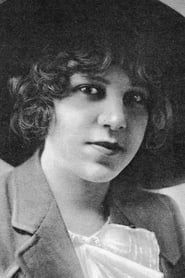
About Lillian Christy
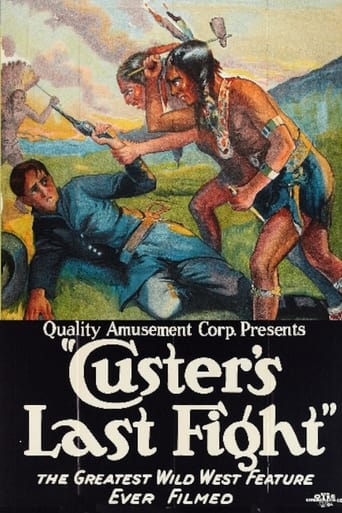
Lillian Christy appears once in this catalog: Custer's Last Fight (1912). Her career was notably brief, spanning only the year 1912, which was typical for many performers in the nascent film industry when acting was not yet established as a prestigious profession. Lillian appears in the historical western 'Custer's Last Fight' (1912), one of many films produced during this period that capitalized on American frontier mythology. Like many actors of her era, Christy was likely drawn to the new medium of motion pictures as a novel form of entertainment and employment opportunity. Her single known film credit suggests she may have been an extra or bit player rather than a featured performer. The lack of additional film records indicates she either left the industry quickly after this brief appearance or her other work has been lost to time, as was common with many early silent films.
The Craft
Milestones
- Appeared in 'Custer's Last Fight' (1912) during the early silent film era
Best Known For
Must-See Films
Why They Matter
Impact on Culture
Lillian Christy represents the countless anonymous performers who contributed to the birth of American cinema during its formative years. Her brief appearance in 'Custer's Last Fight' places her among the pioneers who helped establish the film industry as a viable entertainment medium. While her individual contribution was minimal, she was part of a generation of actors who laid the groundwork for the Hollywood studio system that would emerge in the following decade. Her story illustrates how many early film performers were transient figures in cinema history, often leaving behind only a single film credit as evidence of their participation in this revolutionary new art form.
Lasting Legacy
Lillian Christy's legacy is primarily as a representative example of the anonymous early film actors who populated the background of silent cinema. Her single known film credit serves as a reminder of the thousands of performers who contributed to early cinema but whose names and stories have been largely lost to history. She exemplifies the ephemeral nature of fame in the early film industry, where many actors appeared in only one or two films before moving on to other pursuits. Her inclusion in film databases helps preserve the memory of these performers who were part of cinema's foundational years.
Who They Inspired
As a brief performer in early cinema, Lillian Christy had no known direct influence on subsequent actors or filmmakers. However, like all early film participants, she contributed to the establishment of acting as a profession in motion pictures and helped demonstrate the commercial viability of narrative films during cinema's first decade.
Off Screen
Very little is known about Lillian Christy's personal life, which was common for many bit players and extras in early cinema who were not considered celebrities in their time.
Did You Know?
- Her entire known film career consisted of a single year: 1912
- She appeared in 'Custer's Last Fight' during the same year that the Titanic sank and Arizona became a state
- 1912 was a pivotal year in cinema, with the first feature-length American films beginning to appear
- Many films from 1912 have been lost, so she may have appeared in other productions that no longer exist
- Early silent film actors like Christy often worked without screen credit
- The film industry in 1912 was still centered primarily on the East Coast before Hollywood's dominance
- Actors in this period were often paid daily wages rather than having long-term contracts
- Many early film performers came from vaudeville or theatrical backgrounds
Frequently Asked Questions
Who was Lillian Christy?
American silent film actress active only in 1912, known for her appearance in the historical western 'Custer's Last Fight'. She represents the many anonymous performers who participated in early cinema during its formative years.
What films is Lillian Christy best known for?
Titles linked here include Custer's Last Fight (1912).
When was Lillian Christy born and when did she die?
Unfortunately, birth and death dates for Lillian Christy are not available in historical records, which was common for many bit players and extras in early cinema who were not considered celebrities.
What awards did Lillian Christy win?
Lillian Christy did not receive any known awards or recognition, which was typical for most performers in the early film industry before the establishment of major award ceremonies like the Academy Awards (which began in 1929).
What was Lillian Christy's acting style?
There are no detailed records of Lillian Christy's acting style, as she was likely a minor performer in a single film. Early silent era acting was typically more theatrical and exaggerated than later film acting due to the lack of synchronized sound.
Why is so little known about Lillian Christy?
The scarcity of information about Lillian Christy reflects the reality of early cinema, where many performers were anonymous extras or bit players. The film industry had not yet established comprehensive record-keeping, and many early films themselves have been lost to time.
What was the film industry like in 1912 when Christy worked?
1912 was a pivotal year in cinema's development, with the industry still primarily based on the East Coast. Films were mostly short one-reelers, and acting was not yet considered a prestigious profession. The studio system that would later dominate Hollywood had not yet been established.