Hands Up!
"Spy, gold, and gallows"
Keys: Space play/pause · ←/→ 10s · F fullscreen · M mute · </> speed
About this film
Confederate spy Jack Dunham tries to seize Union gold during the Civil War, facing sisters, Native guides, and a firing squad in this 1926 Buster Keaton comedy-western.
Cast & crew
More films like this
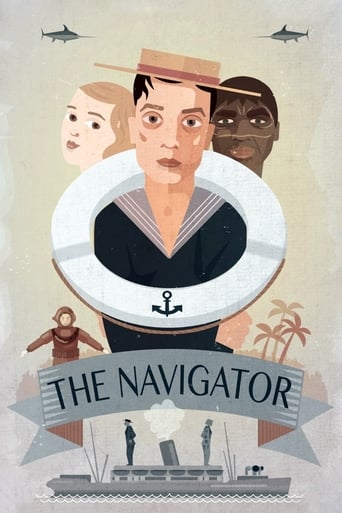
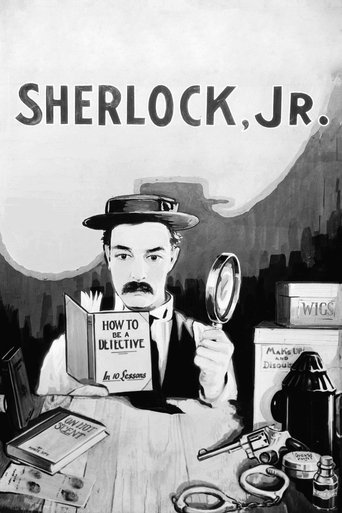
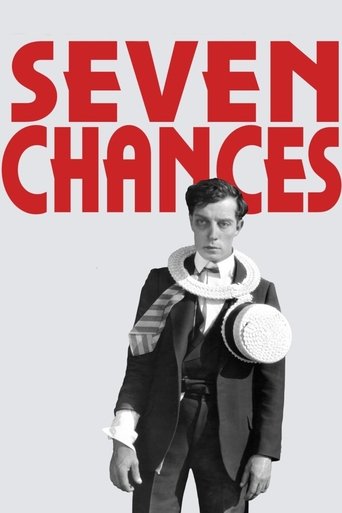

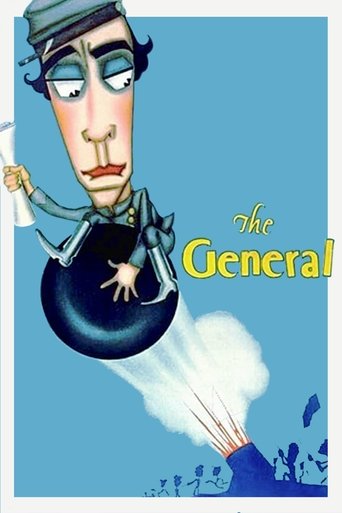
More Comedy films
View all →






More from Clarence G. Badger
View all →


More about this film
About the production
Release dateOctober 24, 1926
Box officeModerately successful, though exact figures are not documented
ProductionParamount Pictures
Filmed inParamount Studios, Hollywood, California, Various California locations for outdoor scenes
The film was part of Raymond Griffith's series of sophisticated comedies for Paramount. Griffith, who had a whispery voice due to throat damage from childhood diphtheria, was perfectly suited for silent films where his expressive face and body language could shine. The Civil War setting allowed for elaborate costumes and sets, typical of big-budget productions of the era.
Themes
Civil War and American identitySpycraft and deceptionRomantic entanglementsNorth vs. South divisionsComedy in dangerous situations
Themes & topics
Historical background
Hands Up! let Keaton parody adventure tropes as his independent career waned before Metro merger.
Why this film matters
'Hands Up!' represents an important example of the sophisticated comedy genre that flourished in the mid-1920s, offering an alternative to the more physical slapstick of contemporaries like Chaplin and Keaton. Raymond Griffith's style of comedy—relying on wit, charm, and understated gestures—showcased the range of silent film comedy beyond physical humor. The film's Civil War setting contributed to the popularization of historical comedy as a genre, blending entertainment with American historical themes. It also demonstrated how silent films could handle complex plots with multiple characters and subplots while maintaining comedic momentum. The movie's success helped establish the template for the sophisticated comedy genre that would later influence filmmakers like Ernst Lubitsch and Preston Sturges in the sound era.
Making of
Director Clarence G. Badger was known for his work with comedians, having previously directed several films for Charlie Chaplin's production company. The production team went to great lengths to create authentic Civil War-era costumes and props, with Paramount's costume department working for weeks on the elaborate military uniforms and period dresses. Raymond Griffith, who co-wrote many of his films, was heavily involved in the development of the script, ensuring the comedy matched his sophisticated style. The Native American characters were played by actual Native American actors, somewhat unusual for the period, though the roles still reflected the stereotypical portrayals common in 1920s cinema. The film's most complex sequence involving the firing squad required extensive rehearsals to get the timing right, as it needed to balance genuine tension with comedic release.
What critics said
Keaton devotees find modest pleasures; not ranked among his masterpieces.
Did you know?
- Raymond Griffith was one of the highest-paid comedians of the silent era, earning $7,500 per week at the height of his career
- The film's Civil War setting was particularly popular in 1920s cinema, reflecting America's fascination with its recent past
- Griffith's whispery voice, which would later end his career in talkies, actually enhanced his silent film performances with unique facial expressions
- The film featured elaborate location shooting in California's Sierra Nevada mountains for the outdoor sequences
- Paramount promoted the film heavily, emphasizing Griffith's sophisticated style compared to more slapstick comedians of the era
- The firing squad sequence was considered particularly daring for its time, combining comedy with genuine tension
- Marian Nixon and Virginia Lee Corbin were both popular actresses of the mid-1920s, chosen specifically for their contrasting screen personalities
- The film's title 'Hands Up!' became a catchphrase associated with Griffith's character
- Contemporary reviews praised the film's clever script and Griffith's understated comic timing
- The movie was one of the last major silent comedies before the transition to sound began in earnest
Awards & recognition
- No major awards documented for
Visual style
The cinematography by Alfred Gilks employed the sophisticated visual style typical of Paramount's A-list productions. The film featured extensive use of location photography in the Sierra Nevada mountains, utilizing natural light to create atmospheric outdoor scenes that contrasted with the controlled lighting of the studio interiors. Gilks employed innovative camera movements for the time, including tracking shots during chase sequences that added dynamism to the comedy. The Civil War setting allowed for rich visual compositions with period costumes and props, creating a textured visual world that enhanced the storytelling. The firing squad sequence was particularly notable for its dramatic lighting, using shadows and silhouettes to build tension before the comedic release.
Innovations
While not in technical innovation, 'Hands Up!' demonstrated the high production values typical of Paramount's prestige productions. The film featured elaborate outdoor sequences requiring extensive location logistics and equipment transport to remote shooting sites. The firing squad sequence required precise timing and coordination between actors, camera, and special effects to create the illusion of danger while maintaining safety. The film's editing, particularly in the comedy sequences, showed the growing sophistication of montage techniques in silent cinema, using rapid cuts to enhance comedic timing. The production also employed sophisticated makeup techniques for the period settings and character transformations.
Music
As a silent film, 'Hands Up!' would have been accompanied by live musical performances in theaters. The original score was likely composed by Paramount's music department and would have varied by theater size and location. Larger urban theaters would have featured full orchestras playing a mix of classical pieces and original compositions, while smaller venues might have used a piano or organ. The music would have been carefully synchronized with the action, particularly during the comedy sequences where rhythmic accompaniment enhanced the timing of gags. The Civil War setting likely inspired the inclusion of period-appropriate musical themes such as 'Dixie' and other Civil War-era songs.
Famous quotes
Hands Up!" - The command that gives the film its title
Jack's whispered asides that only the audience can hear
The sisters' bickering about North vs. South loyalties
Jack's clever explanations for his suspicious behavior
The Native Americans' observations about the 'white man's war'
Memorable scenes
- The climactic firing squad sequence where Jack must talk his way out of execution
- The scene where Jack must simultaneously charm both sisters without revealing his true allegiance
- The gold shipment ambush sequence combining action and comedy
- Jack's disguise as a Union officer and his narrow escapes
- The final resolution where all parties converge on the gold
What audiences thought
Audiences of 1926 responded positively to 'Hands Up!' particularly appreciating Raymond Griffith's charm and the film's clever blend of comedy and adventure. The movie performed well in major urban markets where sophisticated comedies found their most appreciative audiences. Contemporary audience reports suggest that viewers especially enjoyed the film's romantic elements and the chemistry between Griffith and his co-stars. The firing squad sequence was particularly popular with audiences, who found it both thrilling and amusing. While not as universally popular as the films of Chaplin or Keaton, 'Hands Up!' developed a loyal following among audiences who preferred more cerebral comedy. The film's success helped cement Griffith's status as one of the top comedy stars of the mid-1920s, though his popularity would wane with the coming of sound.
Film connections
Influenced by
- The Civil War comedies of Buster Keaton
- The sophisticated comedies of Harold Lloyd
- European comedy traditions of wit and charm
- Contemporary spy literature and films
- Popular Civil War romanticism of the 1920s
This film influenced
- Later Civil War comedies
- Sophisticated comedy films of the early sound era
- Spy comedy films of the 1930s
- Adventure comedy hybrids
Film restoration
The film survives in complete form and has been preserved by major film archives. A restored version is available through various classic film distributors. While not as widely circulated as major silent classics, prints exist in several film archives including the Library of Congress and UCLA Film & Television Archive. The film has been released on DVD and Blu-ray by specialty distributors specializing in silent cinema.
Where to watch
- Available on DVD from Kino Lorber Classics
- Streaming on The Criterion Channel (periodically)
- Available through various classic film streaming services
- Screenings at silent film festivals and revival theaters
- Some public library collections may hold DVD copies
- Film archive screenings at institutions like UCLA Film & Television Archive