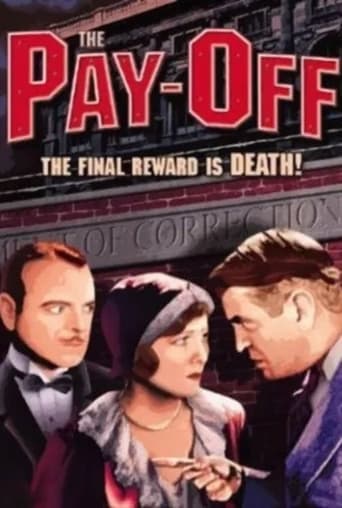
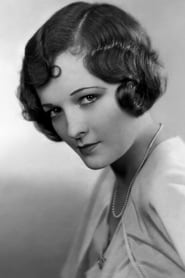
Marian Nixon
Actor
Born: October 20, 1904 in Superior, Wisconsin, USA Died: February 13, 1983 Active: 1922-1932 Birth Name: Marian Nissinen
Films
7 films


About Marian Nixon
American actress who began her career as a child performer in vaudeville before transitioning to silent films in the early 1920s. She made her film debut in the early 1920s and quickly rose to prominence as a leading lady during the mid-to-late 1920s, appearing in numerous popular silent films. Nixon successfully made the transition to talkies, demonstrating her versatility as both a dramatic and comedic actress during this challenging period for many performers. She was particularly known for her work at Warner Bros. And appeared in several of their prestigious productions, including the all-star revue 'The Show of Shows' in 1929. Her career peaked in the late 1920s, but like many actresses of her era, she found fewer opportunities as the 1930s progressed and Hollywood's star system evolved. After retiring from films in the early 1930s, she largely disappeared from public life, though she remained a beloved figure among classic film enthusiasts. Her legacy represents the many talented performers who helped bridge the gap between silent cinema and the sound era.
The Craft
On Screen
Marian Nixon was known for her natural, expressive acting style that translated well from silent films to talkies. She possessed a gentle screen presence with a wholesome, girl-next-door quality that made her relatable to audiences. Her performances were characterized by sincere emotional delivery and an ability to convey both comedy and drama with equal skill. In silent films, she utilized expressive eyes and subtle facial movements to communicate emotion, while in talkies, her clear diction and pleasant voice served her well during the challenging transition period.
Milestones
- Breakthrough role in 'The Perfect Flapper' (1924)
- Leading lady status at Warner Bros. In late 1920s
- Successful transition from silent to sound films
- Starred in 'The Show of Shows' (1929) all-star production
- Leading role in 'Say It with Songs' (1929) with Al Jolson
Best Known For
Iconic Roles
Must-See Films
Accolades
Special Recognition
- Hollywood Walk of Fame star (Motion Pictures)
Working Relationships
Worked Often With
Studios
Why They Matter
Impact on Culture
Marian Nixon represents the archetype of the successful transition actress who navigated the challenging shift from silent films to talkies. Her career exemplifies the opportunities and limitations faced by actresses during Hollywood's formative sound era. While not achieving the legendary status of some contemporaries, her consistent work and successful adaptation to new technology demonstrated the professionalism required of performers during this revolutionary period in cinema history. Her marriage to Eddie Mannix also placed her at the center of Hollywood's power structure during its golden age, making her part of the inner circle that shaped American film culture.
Lasting Legacy
Marian Nixon's legacy lies in her contribution to the bridge between silent and sound cinema, representing the many competent actresses who helped establish the foundations of early talkie films. Her filmography serves as a valuable record of the transitional period in Hollywood history, showcasing the evolution of film acting techniques and storytelling methods. While largely forgotten by mainstream audiences, she remains significant among film historians and classic cinema enthusiasts for her role in Warner Bros.' early sound productions and her participation in landmark films like 'The Show of Shows'. Her story also provides insight into the role of women in early Hollywood, both in front of and behind the camera.
Who They Inspired
As a successful transition actress, Marian Nixon influenced other performers by demonstrating that silent film skills could be adapted to sound cinema. Her natural acting style and clear voice set an example for other actresses making the difficult transition. Through her marriage to Eddie Mannix, she indirectly influenced Hollywood's studio system, though her direct influence on other performers was limited due to her relatively early retirement from acting. Her work in early musicals helped establish conventions for musical film performance that would influence subsequent generations of actors.
Off Screen
Marian Nixon married Edward S. 'Eddie' Mannix, a powerful studio executive at MGM, in 1927. The marriage lasted until Mannix's death in 1963, during which time Nixon largely withdrew from acting to focus on her role as a Hollywood wife. She was known for her discretion and maintained a relatively low public profile throughout her marriage to Mannix, who was. After Mannix's death, she lived quietly in New York until her own death in 1983.
Education
Limited formal education; trained in vaudeville and dance as a child performer
Family
- Edward S. Mannix (1927-1963)
Did You Know?
- Began her career as a child performer in vaudeville at age 5
- Her birth name was Marian Nissinen, of Finnish descent
- She was one of the few actresses to successfully transition from silent films to talkies without significant career interruption
- Her husband Eddie Mannix was
- Appeared in over 50 films during her decade-long career
- Was considered for the lead in 'The Jazz Singer' before the role went to May McAvoy
- Retired from acting at the height of her career to marry Mannix
- Her Walk of Fame star is located at 6313 Hollywood Boulevard
- Was known for her professionalism and reliability on set
- Received praise from contemporary critics for her natural acting style
In Their Own Words
The transition from silent to sound wasn't as difficult for me as it was for some others. I had always been taught to speak clearly and project my voice from my vaudeville days.
Being a star's wife is very different from being a star yourself. I much preferred the privacy and the ability to choose my own projects.
Frequently Asked Questions
Who was Marian Nixon?
American actress who worked primarily during the silent era and early sound period of Hollywood (1920s-early 1930s). She was known for her successful transition from silent films to talkies and her work as a leading lady at Warner Bros.
What films is Marian Nixon best known for?
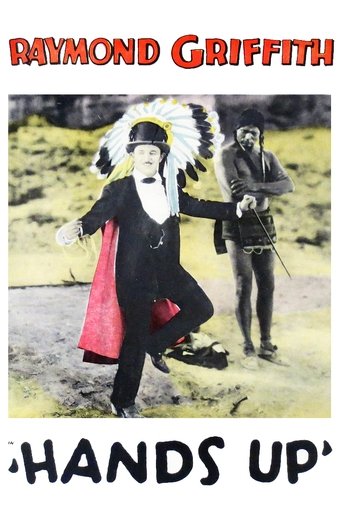
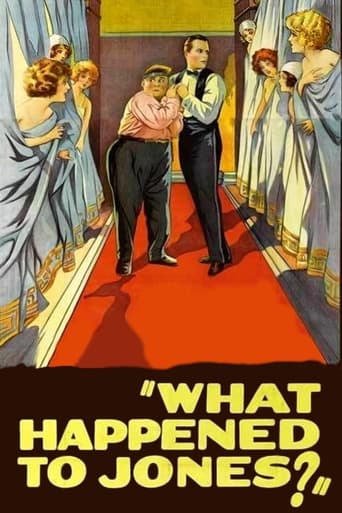
Titles linked here include Hands Up! (1926), What Happened to Jones? (1926).
When was Marian Nixon born and when did she die?
Born October 20, 1904; died February 13, 1983.
What awards did Marian Nixon win?
While she did not receive major acting awards during her career, Marian Nixon was honored with a star on the Hollywood Walk of Fame for her contributions to motion pictures.
What was Marian Nixon's acting style?
Nixon was known for her natural, expressive acting style with a wholesome screen presence. She successfully adapted her silent film techniques to talkies, utilizing clear diction and sincere emotional delivery in both dramatic and comedic roles.
Why did Marian Nixon retire from acting?
Marian Nixon retired from acting in the early 1930s shortly after marrying Edward S. Mannix, a powerful MGM studio executive. She chose to focus on her role as a Hollywood wife rather than continue her film career.
How did Marian Nixon contribute to early cinema?
Nixon contributed to early cinema by helping bridge the gap between silent and sound films, demonstrating successful adaptation techniques for other performers. Her work in early talkies and musicals helped establish conventions for sound film acting.