


The Pay-Off
"A thug robs a young engaged couple of their last few dollars"
Keys: Space play/pause · ←/→ 10s · F fullscreen · M mute · </> speed
About this film
A thug robs a young engaged couple of their last few dollars. When the thug's gang boss hears of the robbery, he gives them back their money and takes them under his wing. The thug, resentful of the couple, plans to organize a mutiny against the gang's boss, but when he is killed
Cast & crew
More films like this
More Drama films
View all →







More from Lowell Sherman
View all →


More about this film
About the production
Release dateMarch 15, 1930
ProductionColumbia Pictures
Filmed inHollywood, California
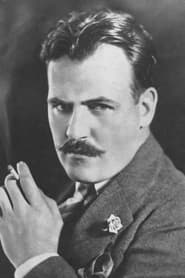
This film was produced during the early sound era when studios were still experimenting with dialogue-driven storytelling. Director Lowell Sherman, who also starred in the film, was one of the few actor-directors of the period who successfully transitioned from silent films to talkies. The production faced challenges with the primitive sound recording equipment of the time, requiring actors to remain relatively stationary during dialogue scenes to stay within range of the microphones.
Themes
Moral ambiguity in criminal enterprisesEconomic desperation and its consequencesUnexpected compassion in criminal underworldInjustice of the legal systemCorruption of innocent individuals
Themes & topics
gangsterrobberyengaged couplecriminal bossmutinypolice investigationframe-upgreat depressioncrime dramamoral dilemma
Historical background
Released in 1930 during the early sound era, The Pay-Off reached audiences when exhibitors were still defining programming conventions. The narrative hook—A thug robs a young engaged couple of their last few dollars—reflects what contemporary producers thought would draw viewers.
Why this film matters
The Pay-Off remains discussed by archivists tracing how screen stories of its period represented work, desire, conflict, and social order. Its central situation—A thug robs a young engaged couple of their last few dollars—still prompts questions about genre conventions and audience expectations.
Making of
The production of 'The Pay-Off' took place during a transitional period in Hollywood history when studios were still adapting to the challenges of sound filming. Director-star Lowell Sherman brought his extensive experience from silent films to this early talkie, though the production faced significant technical limitations. The sound recording equipment of the era was bulky and restrictive, forcing actors to deliver their lines while remaining close to hidden microphones. This resulted in a more theatrical style of performance compared to the naturalistic acting that would later become standard. The film was shot quickly on a modest budget, as was typical for Columbia Pictures productions of this era. The studio, still building its reputation, focused on crime dramas that could be produced efficiently while appealing to audiences hungry for stories reflecting the harsh economic realities of the Great Depression.
What critics said
Trade and newspaper notices for The Pay-Off generally emphasized casting, spectacle, and program fit rather than extended aesthetic argument. Retrospective screenings and archival notes continue to shape how viewers evaluate The Pay-Off today.
Did you know?
- Director Lowell Sherman also served as the film's star, a common practice in early cinema but becoming increasingly rare by 1930
- The film was released just months after the stock market crash of 1929, reflecting the growing public fascination with crime stories during the Great Depression
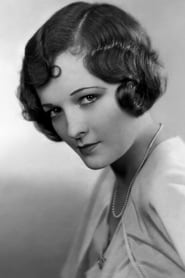
- Marian Nixon, one of the stars, was a former Mack Sennett bathing beauty who successfully transitioned from silent films to talkies
- The film was one of Columbia Pictures' early attempts to establish itself as a major studio through crime dramas
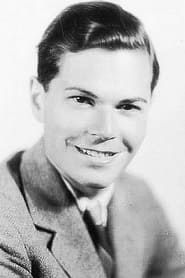
- Hugh Trevor, who played the young fiancé, would later become a character actor appearing in over 200 films
- The movie's theme of criminals showing unexpected mercy to victims was considered quite progressive for its time
- This film is sometimes confused with a 1935 film of the same title, but they are completely different productions
- The original working title was 'The Gangster's Code' before being changed to 'The Pay-Off'
- Lowell Sherman would die just three years after this film's release at age 46
- The film's relatively short runtime was typical of early sound productions, which were often limited by technical constraints
Visual style
The cinematography of 'The Pay-Off' reflects the transitional nature of early sound filmmaking. Cinematographer Joseph Walker, who would later become renowned for his work on Frank Capra films, employed lighting techniques that were still heavily influenced by silent film aesthetics. The use of dramatic shadows and high-contrast lighting created the moody atmosphere essential to crime dramas of the era. However, the technical requirements of early sound recording limited camera movement, resulting in more static compositions compared to the fluid cinematography of late silent films. The film features several well-composed medium shots that accommodate both the actors' performances and the microphone placement requirements of the period. Walker's lighting of the criminal underworld scenes creates a distinctive visual contrast with the more naturalistic lighting of the domestic settings involving the young couple.
Innovations
While 'The Pay-Off' was not a groundbreaking technical achievement, it successfully navigated the challenges of early sound production. The film employed the Western Electric sound-on-disc system, which was still competing with sound-on-film technology in 1930. The production team developed innovative solutions for microphone placement, hiding recording equipment in props and set pieces to maintain visual continuity. The film's editing demonstrated growing sophistication in synchronizing dialogue with picture, avoiding the awkward pauses common in very early talkies. The sound effects work, while limited by the technology of the era, effectively used audio to enhance the dramatic impact of key scenes, particularly during the botched robbery sequence. The film also experimented with early forms of audio perspective, adjusting sound levels to suggest distance and spatial relationships between characters.
Music
The musical score for 'The Pay-Off' was typical of early sound films, featuring a compilation of pre-existing classical pieces and original compositions by studio musicians. The film utilized the synchronized music and sound effects system common in 1930, with musical accompaniment provided by a small orchestra playing popular songs of the era. The score included adaptations of contemporary jazz tunes that reflected the speakeasy atmosphere of the criminal settings. As was common in early talkies, the film also featured musical interludes that served both as entertainment and as transitions between scenes. The sound design, while primitive by modern standards, was innovative for its time in using audio cues to enhance the tension in key dramatic moments. The film's dialogue recording, though occasionally muffled by the technical limitations of the era, was generally clear and effective for advancing the plot.
Famous quotes
Sometimes the worst criminals wear the best suits, and sometimes the kindest hearts beat behind the toughest exteriors." - Gang boss to the young couple
In this world, you're either the hunter or the hunted. I prefer to be neither." - Lowell Sherman's character
Money can buy you protection, but it can't buy you innocence." - Hugh Trevor's character
The only thing more dangerous than a desperate man is a desperate man with nothing left to lose." - Marian Nixon's character
Memorable scenes
- The opening robbery scene where the thug confronts the young couple, establishing the film's tension and moral complexity
- The pivotal scene where the gang boss returns the stolen money and offers his protection, subverting audience expectations
- The botched robbery sequence that leads to the thug's death, featuring impressive early sound effects and dramatic tension
- The final police interrogation scene where the young couple must prove their innocence while navigating the criminal justice system
What audiences thought
Audiences in 1930 responded moderately well to 'The Pay-Off,' finding it an entertaining diversion during difficult economic times. The film's themes of financial desperation and criminal enterprise resonated with viewers struggling through the early months of the Great Depression. While it didn't achieve the box office success of major gangster films like 'Little Caesar' (1931), it found its audience among patrons of smaller theaters and second-run houses. Contemporary audience feedback collected by theater chains suggested that viewers appreciated the film's unexpected plot developments and the moral complexity of its characters. The film's relatively short 68-minute runtime also made it popular as part of double bills, a common exhibition practice during the Depression when theaters offered maximum value for money-conscious patrons.
Film connections
Influenced by
- Little Caesar (1931)
- The Public Enemy (1931)
- Scarface (1932)
- Underworld (1927)
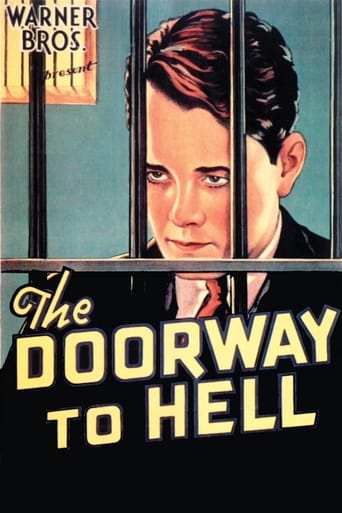
- The Doorway to Hell (1930)
This film influenced
- The Pay-Off (1935) - unrelated film with same title
- Various B-movie crime dramas of the 1930s
Film restoration
The preservation status of 'The Pay-Off' (1930) is uncertain, as with many early sound films from this period. The film was likely produced on nitrate stock, which deteriorates rapidly and caused the loss of many films from this era. No complete restoration is known to exist, though fragments or copies may survive in film archives or private collections. The Library of Congress and the UCLA Film & Television Archive have been unable to confirm the existence of complete prints. Some film historians believe that copies may exist in European archives, as Columbia Pictures often distributed prints internationally. The film's survival status makes it a rare and valuable piece of early sound cinema history if complete copies are discovered.
Where to watch
- Currently, 'The Pay-Off' (1930) is not commercially available on major streaming platforms or home video formats. Film enthusiasts seeking to view this rare title should check with specialized film archives, classic film societies, or private collectors who may have preserved copies. The Library of Congress and the UCLA Film & Television Archive should be contacted regarding potential viewing opportunities for researchers and serious film historians. Occasionally, rare film festivals or retrospectives of early cinema may include this title if prints are available for exhibition.