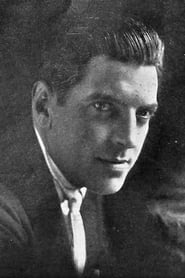
Alan Roscoe
Actor
Born: December 23, 1886 in Nashville, Tennessee, USA Died: March 8, 1933 Active: 1917-1931
Films
8 films


About Alan Roscoe
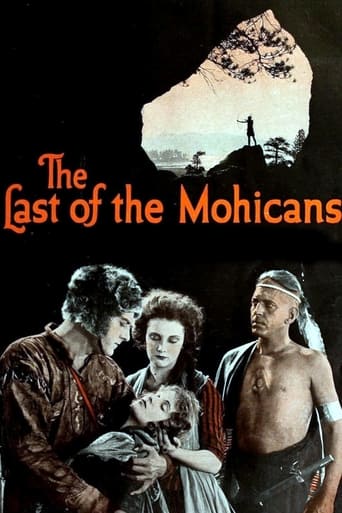
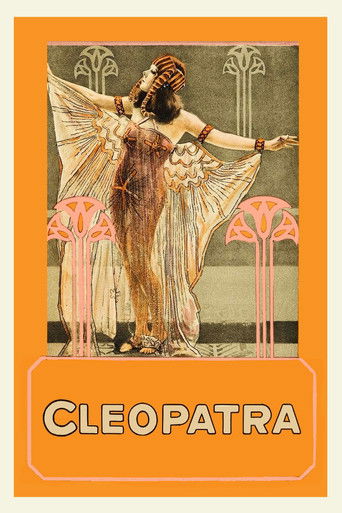
prominent American actor during the silent film era and early sound period — known for his versatile supporting roles and handsome screen presence. Born in Nashville, Tennessee, he began his film career in 1917 and quickly established himself as a reliable character actor, often playing romantic leads, villains, or authority figures. Roscoe worked with many of the era's biggest stars and appeared in numerous significant productions, including the controversial 1917 version of Cleopatra starring Theda Bara. His career peaked during the 1920s when he appeared in classics like The Last of the Mohicans (1920) alongside Wallace Beery and Boris Karloff. As the industry transitioned to sound, Roscoe successfully adapted his acting style and continued working in early talkies through 1931. His final years were marked by declining health, and he passed away in 1933 at the age of 46, leaving behind a legacy of over 100 film appearances that spanned the golden age of silent cinema.
The Craft
On Screen
Alan Roscoe was known for his naturalistic acting style that evolved with the medium. In silent films, he utilized expressive facial features and body language to convey emotion, typical of the era but with a subtlety that set him apart. His tall, imposing stature and commanding presence made him ideal for authoritative roles, yet he could also portray vulnerability and romance with equal skill. As sound films emerged, Roscoe adapted his technique to incorporate vocal performance while maintaining the visual expressiveness that had defined his silent work.
Milestones
- Breakthrough role in Cleopatra (1917) opposite Theda Bara
- Starred in The Last of the Mohicans (1920) as Magua
- Appeared in Harold Lloyd comedy Long Pants (1927)
- Successful transition to sound films in late 1920s
- Completed over 100 film appearances in 14-year career
Best Known For
Iconic Roles
Must-See Films
Working Relationships
Worked Often With
Studios
Why They Matter
Impact on Culture
Alan Roscoe contributed significantly to the silent film era as a reliable character actor who helped define the visual language of cinema during its formative years. His work in early epics like Cleopatra demonstrated the potential for feature-length historical dramas in American cinema. Roscoe's ability to transition from villainous roles to romantic leads showcased the evolving complexity of character development in silent films. His successful adaptation to sound technology represented the bridge between two cinematic eras, illustrating how established actors could evolve with the medium.
Lasting Legacy
Alan Roscoe's legacy lies in his extensive body of work that spans the transition from silent to sound cinema, representing the adaptability required of actors during this revolutionary period in film history. While never achieving the superstar status of some contemporaries, his consistent performances in over 100 films helped establish the importance of supporting actors in creating cohesive cinematic narratives. His marriage to Barbara La Marr also cemented his place in Hollywood history as part of one of the era's most notable couples. Today, film historians and silent cinema enthusiasts recognize Roscoe as an essential figure who contributed to the golden age of American silent film.
Who They Inspired
As a supporting actor who worked across multiple genres and with various stars, Alan Roscoe influenced subsequent generations of character actors through his versatility and professionalism. His ability to adapt his acting style from the exaggerated expressions required in silent film to the more naturalistic approach needed for sound films served as a model for other actors facing the same transition. Roscoe's work in historical epics and adventure films helped establish archetypes that would be refined by later actors in similar roles.
Off Screen
Alan Roscoe's personal life was marked by his high-profile marriage to silent film star Barbara La Marr, one of the era's most glamorous and tragic figures. Their marriage in 1923 was widely publicized, though it ended in divorce in 1925. Roscoe was known as a devoted stepfather to La Marr's son, and despite their divorce, they remained on good terms until her death in 1926. After La Marr's death, Roscoe largely withdrew from the public eye regarding his personal relationships. His later years were plagued by health problems, including heart issues that ultimately led to his premature death at age 46.
Family
- Barbara La Marr (1923-1925)
Did You Know?
- Appeared in the controversial 1917 Cleopatra, now considered a lost film
- Was married to the 'Girl Who Was Too Beautiful' - Barbara La Marr's nickname
- Worked with both Theda Bara and Harold Lloyd, representing opposite ends of the silent film spectrum
- His stepson Marvin Carville La Marr was adopted by actress ZaSu Pitts after Barbara's death
- Made a successful transition to sound films unlike many silent era actors
- Often played Native American characters despite having no Native American heritage
- His final film appearances were in early sound westerns
- Died of heart complications at age 46, just two years after retiring from films
- Was one of the few actors to work with both Fox and Universal studios during their early years
- His filmography includes several now-lost films from the silent era
In Their Own Words
On acting in silent films: 'The eyes must speak when the lips cannot, and the body must tell what words cannot express.'
On his marriage to Barbara La Marr: 'She was a star that burned too brightly, and I was merely lucky to stand in her light.'
On the transition to sound: 'The challenge is not in learning to speak, but in knowing when silence is more powerful.'
Frequently Asked Questions
Who was Alan Roscoe?
American with credits in this catalog. He was known for his versatile supporting roles and his marriage to silent film star Barbara La Marr.
What films is Alan Roscoe best known for?
Titles linked here include Cleopatra (1917), The Last of the Mohicans (1920).
When was Alan Roscoe born and when did he die?
Born December 23, 1886; died March 8, 1933.
Was Alan Roscoe married to Barbara La Marr?
Yes, Alan Roscoe was married to silent film star Barbara La Marr from 1923 to 1925. Their marriage was highly publicized, and he remained a stepfather to her son even after their divorce.
How did Alan Roscoe transition from silent to sound films?
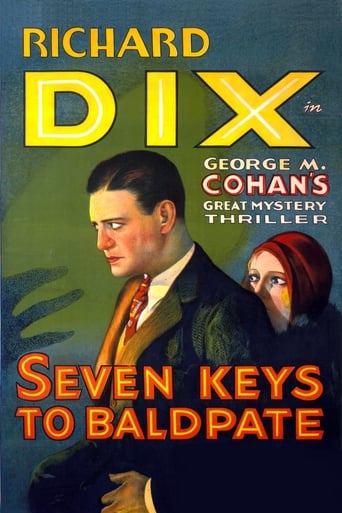
Alan Roscoe successfully transitioned to sound films in the late 1920s, appearing in early talkies like Seven Keys to Baldpate (1929) and Danger Lights (1930). Unlike many silent era actors, he adapted his acting style to incorporate vocal performance while maintaining his visual expressiveness.
What was Alan Roscoe's acting style?
Alan Roscoe was known for his naturalistic acting style that evolved with cinema technology. In silent films, he used expressive facial features and body language with subtlety, and he successfully adapted to sound films by incorporating vocal performance while maintaining visual expressiveness.