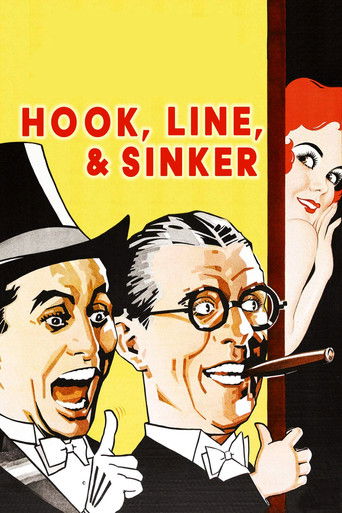
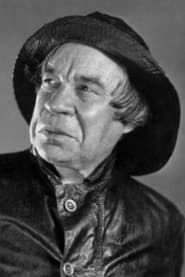
George F. Marion
Actor
Born: July 16, 1860 in San Francisco, California, USA Died: November 30, 1945 Active: 1915-1932 Birth Name: George Francis Marion
Films
8 films
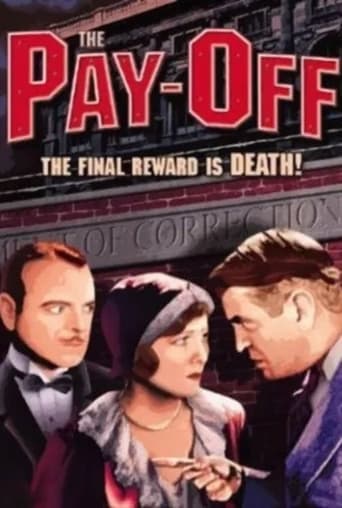
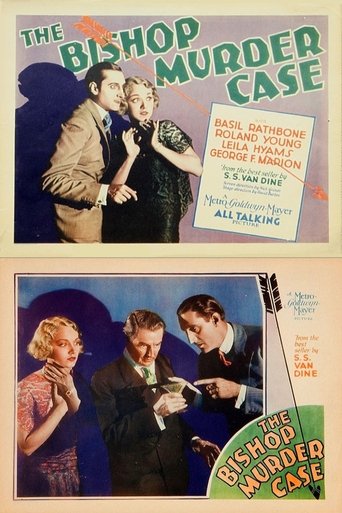
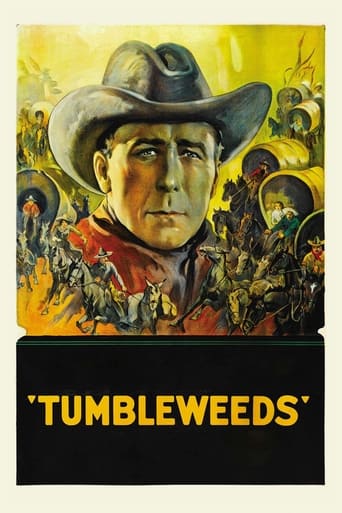
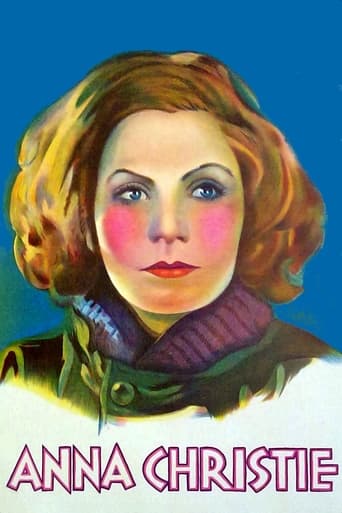
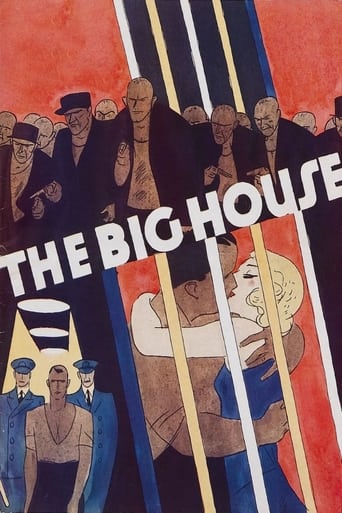
About George F. Marion
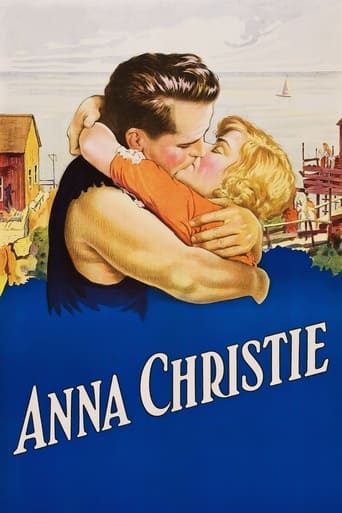
Character actor of the silent era and early sound period,: over three decades in Hollywood. Born in San Francisco in 1860, he began his film career during the mid-1910s, appearing in numerous silent productions where he often portrayed authority figures, fathers, and respectable gentlemen. Marion was particularly active during the transitional period from silent films to talkies, successfully adapting his stage-trained acting style to the new medium of sound. George appears in over 100 films throughout his career, working with some of the biggest studios and stars of the era. His performances in films like 'Anna Christie' (1923) and 'Tumbleweeds' (1925) showcased his ability to bring depth and authenticity to supporting roles. Marion continued working through the early 1930s before retiring from acting. He was also known as the father of actress Marion Aye, continuing a family legacy in the entertainment industry.
The Craft
On Screen
Marion employed a naturalistic acting style that evolved from stage techniques to accommodate the demands of cinema. His performances were characterized by dignified portrayals of authority figures and respectable gentlemen, with a commanding presence that translated well to both silent and sound films. He possessed a gravitas that made him particularly effective in roles requiring wisdom, authority, or paternal concern.
Milestones
- Appeared in over 100 films during his career
- Successfully transitioned from silent films to talkies
- Worked with major Hollywood studios including MGM and Paramount
- Appeared in the classic Western 'Tumbleweeds' (1925)
- Featured in Greta Garbo's first talking film 'Anna Christie' (1930)
- Established himself as a reliable character actor in supporting roles
Best Known For
Iconic Roles
Must-See Films
Accolades
Special Recognition
- Recognized as one of Hollywood's most reliable character actors during the silent and early sound era
Working Relationships
Worked Often With
Studios
Why They Matter
Impact on Culture
George F. Marion contributed to the development of character acting in early Hollywood, helping establish the importance of reliable supporting performers in film production. His successful transition from silent films to talkies demonstrated the adaptability required of actors during this revolutionary period in cinema history. Marion represented the bridge generation between stage-trained actors and modern film performers, bringing theatrical gravitas to the new medium of cinema.
Lasting Legacy
Marion's legacy lies in his extensive body of work that spans the crucial transition period from silent to sound cinema. As the father of actress Marion Aye, he helped establish a family tradition in Hollywood. His performances in over 100 films, though often in supporting roles, contributed to the richness of classic Hollywood cinema and demonstrated the importance of character actors in creating believable film worlds.
Who They Inspired
Marion influenced subsequent generations of character actors through his professionalism and adaptability during the industry's technological transition. His ability to maintain a steady career through the silent-to-sound transition served as a model for other actors facing similar challenges. His work helped establish the archetype of the reliable character actor who could bring depth and authenticity to supporting roles.
Off Screen
George F. Marion was married and had one daughter, Marion Aye, who followed in his footsteps to become a successful actress in silent films. The family maintained a strong connection to the entertainment industry, with both father and daughter working during the golden age of Hollywood. Marion lived in Los Angeles during his later years and remained connected to the film industry until his death in 1945 at the age of 85.
Education
Unknown specific educational background, likely received stage training typical of actors of his generation
Family
- Unknown (married to Marion Aye's mother)
Did You Know?
- Appeared in both the silent and sound versions of 'Anna Christie'
- Father of silent film star Marion Aye
- Began his film career in his mid-50s, relatively late for the era
- Worked consistently through the Great Depression until his retirement
- Often played judges, doctors, and other authority figures
- Survived the 1906 San Francisco earthquake before moving to Los Angeles
- His active years covered the entire silent era and into the early sound period
- Never received top billing but was consistently employed by major studios
- Was part of the old guard of Hollywood actors who came from stage backgrounds
- His daughter Marion Aye's career was more prominent but shorter-lived than his
In Their Own Words
No documented famous quotes from George F. Marion are available in historical records
Frequently Asked Questions
Who was George F. Marion?
Screen credits include over 100 films during the silent era and early sound period, known for his portrayals of authority figures and respectable gentlemen in supporting roles.
What films is George F. Marion best known for?
Titles linked here include Anna Christie (1923/1930), Tumbleweeds (1925).
When was George F. Marion born and when did he die?
Born July 16, 1860; died November 30, 1945.
What awards did George F. Marion win?
George F. Marion did not receive any major awards or nominations during his career, though he was recognized as one of Hollywood's most reliable character actors during his era.
What was George F. Marion's acting style?
Marion employed a naturalistic, dignified acting style that evolved from stage techniques, specializing in portraying authority figures with gravitas and authenticity in both silent and sound films.
How was George F. Marion related to other actors?
George F. Marion was the father of Marion Aye, who became a prominent silent film actress, establishing a family legacy in the entertainment industry.
How did George F. Marion contribute to early cinema?
Marion contributed to early cinema by helping establish the importance of character actors in film production and successfully navigating the transition from silent films to talkies, demonstrating adaptability during a revolutionary period in Hollywood.