Tumbleweeds
"Hart stars in the 1925 silent film as a cowboy intent on claiming land during…"
Keys: Space play/pause · ←/→ 10s · F fullscreen · M mute · </> speed
About this film
Hart stars in the 1925 silent film as a cowboy intent on claiming land during the 1889 land rush in the Oklahoma Territory. Though hardened from years of taming the new frontier, he falls in love with a beautiful woman. Before he settles down, however, he must contend
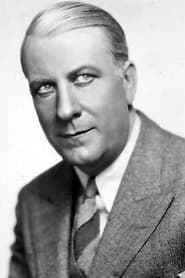
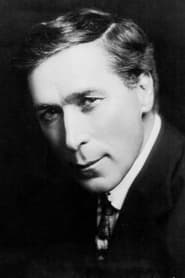
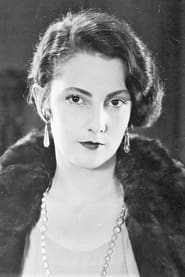
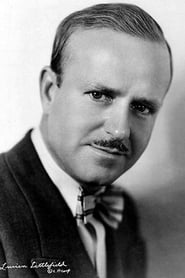
Cast & crew
More films like this
More Western films
View all →

More from King Baggot
View all →
More about this film
About the production
Release dateNovember 15, 1925 (premiere), December 6, 1925 (wide release)
BudgetApproximately $150,000 (substantial for a silent Western of the era)
Box officeModerately successful, though exact figures are not well documented; performed well in Western markets and Hart's established fan base
ProductionWilliam S. Hart Productions, Producers Distributing Corporation (PDC)
Filmed inBurbank, California, Newhall, California, Ranchland near Lancaster, California, San Fernando Valley
The land rush sequence was filmed with over 3,000 extras, 500 horses, and 200 wagons, making it ambitious scenes of its time. Hart insisted on historical accuracy, researching the actual 1889 Oklahoma land rush extensively. The production faced challenges with coordinating the massive crowd scenes and ensuring safety during the dangerous stunt sequences. Hart performed many of his own stunts at age 62, demonstrating his commitment to authenticity despite the risks involved.
Themes
The closing of the American frontierCivilization vs. wildernessThe obsolescence of the cowboyRedemption and moral integrityLove as civilizing force
Themes & topics
land rushOklahoma Territorycowboyfrontiersilent filmWesternromanceredemption1889American Westsettlersoutlawshonorlove storyfinal film
Historical background
Released in 1925 during the late silent period, Tumbleweeds reached audiences when exhibitors were still defining programming conventions. The narrative hook—Hart stars in the 1925 silent film as a cowboy intent on claiming land during…—reflects what contemporary producers thought would draw viewers.
Why this film matters
Tumbleweeds remains discussed by archivists tracing how screen stories of its period represented work, desire, conflict, and social order. Its central situation—Hart stars in the 1925 silent film as a cowboy intent on claiming land during…—still prompts questions about genre conventions and audience expectations.
Making of
The production of 'Tumbleweeds' was marked by William S. Hart's meticulous attention to detail and his determination to create an authentic portrayal of the American West. Hart, who had become respected Western stars through his realistic approach to the genre, saw this film as his definitive statement on the closing of the frontier. Director King Baggot, a former actor himself, worked closely with Hart to capture the emotional depth and physical authenticity that had become Hart's trademark. The casting of Barbara Bedford as Molly Lassiter was particularly significant, as she had established herself as one of the few actresses who could hold her own against Hart's intense screen presence. The production faced numerous challenges, including the coordination of the massive land rush sequence, which required military-like precision to ensure safety while maintaining the chaotic energy of the historical event. Hart's insistence on using real cowboys and Native Americans as extras, rather than actors in costume, contributed to the film's remarkable authenticity but also created logistical challenges for the production team.
What critics said
Trade and newspaper notices for Tumbleweeds generally emphasized casting, spectacle, and program fit rather than extended aesthetic argument. Retrospective screenings and archival notes continue to shape how viewers evaluate Tumbleweeds today.
Did you know?
- This was William S. Hart's final film, marking the end of his influential career as a Western star
- The 1939 re-release included an eight-minute spoken introduction by Hart, the only known recording of his voice
- Hart was 62 years old during filming, yet performed most of his own riding and stunt work
- The land rush sequence took three weeks to film and required careful coordination of thousands of extras
- Hart was so committed to authenticity that he personally selected every horse used in the production
- The film's title 'Tumbleweeds' was suggested by Hart's wife, who felt it symbolized the rootless nature of the cowboy lifestyle
- Despite being Hart's swan song, the film was not initially considered his best work but has gained critical appreciation over time
- The Oklahoma Historical Society consulted on the production to ensure historical accuracy of the land rush depiction
- Hart donated his ranch and film collection to Los Angeles County, which became the William S. Hart Park and Museum
- The original nitrate negatives were preserved through Hart's personal efforts to save his films from deterioration
Awards & recognition
- National Film Registry - Inducted 2019
Visual style
The cinematography of 'Tumbleweeds' was handled by Joseph H. August, who brought a naturalistic approach that complemented Hart's realistic acting style. August employed wide-angle lenses to capture the vastness of the frontier landscape, creating images that emphasized both the beauty and isolation of the American West. The land rush sequence stands as a remarkable technical achievement, with August using multiple cameras positioned at various heights and angles to capture the scale and chaos of the event. The film's visual style deliberately avoided the artificial lighting common in studio productions of the era, instead relying on natural light whenever possible to enhance the authenticity of outdoor scenes. August's use of deep focus allowed for complex compositions that could place multiple characters and actions within the same frame, creating a sense of the frontier's crowded reality. The cinematography also employed subtle camera movements that followed the action without drawing attention to the technique itself, maintaining the film's documentary-like quality while still delivering cinematic excitement.
Innovations
The most significant technical achievement in 'Tumbleweeds' was the execution of the land rush sequence, which required unprecedented coordination of extras, animals, and equipment. The production team developed innovative techniques for safely managing the massive crowd scenes, including the use of signal flags and carefully planned camera positions to capture the action from multiple perspectives. The film also employed early forms of process photography for certain background elements, allowing for more complex compositions while maintaining the illusion of location shooting. The preservation of the film itself represents a technical achievement, as Hart's foresight in storing his films properly allowed for later restoration efforts that have saved the work from nitrate deterioration. The 1939 re-release demonstrated early sound synchronization technology, successfully combining Hart's recorded voice with the silent footage without compromising the original visual composition. The film's editing, particularly during the land rush sequence, showed sophisticated understanding of rhythm and pacing, creating tension and excitement through careful juxtaposition of shots rather than relying solely on the spectacle itself.
Music
As a silent film, 'Tumbleweeds' was originally accompanied by live musical performances in theaters, typically consisting of a piano or organ player using cue sheets provided by the studio. The original score was composed by William Axt, who specialized in creating music for silent films and had developed a reputation for his ability to enhance emotional content through musical accompaniment. The score incorporated popular songs of the era as well as original compositions that reflected Western themes and folk melodies. For the 1939 re-release, a new synchronized musical score was created to accompany both the film and Hart's spoken introduction. Modern restorations of the film have featured newly composed scores by contemporary silent film accompanists, who work to balance historical authenticity with modern musical sensibilities. The musical approach to the film typically emphasizes the bittersweet tone of Hart's farewell to the Western genre, using minor keys and folk-inspired melodies to evoke nostalgia for the passing frontier era.
Famous quotes
The West is gone, and with it the life I loved." - Don Carver (intertitle)
A man's gotta have something to believe in, even if it's just the dust under his feet." - Don Carver (intertitle)
When the last tumbleweed stops rolling, that's when the West died." - Don Carver (intertitle)
From Hart's 1939 introduction: "I made this picture as my farewell to the West that I loved, and to the people who understood what it meant to be free.
Memorable scenes
- The spectacular land rush sequence featuring thousands of settlers racing across the prairie on horseback, wagons, and foot to stake their claims, filmed with unprecedented scale and authenticity
- Hart's emotional farewell to his cowboy life as he watches tumbleweeds rolling across the prairie, symbolizing the end of an era
- The tender romance scene between Don Carver and Molly Lassiter by the campfire, showing Hart's softer side beneath his rugged exterior
- The climactic confrontation between Carver and the villains during the land rush, combining action with moral resolution
- Hart's 1939 spoken introduction, where the aging star reflects on his career and the meaning of the American West
What audiences thought
Audiences in 1925 responded positively to 'Tumbleweeds', particularly Hart's loyal fan base who had followed his career throughout the 1910s and early 1920s. The film performed especially well in rural areas and Western states, where Hart's realistic portrayal of cowboy life resonated most strongly with viewers. Many contemporary audience members reported being deeply moved by the film's themes and Hart's performance, with some theaters reporting standing ovations following screenings. The 1939 re-release with Hart's spoken introduction created a new generation of fans, as many audiences were fascinated to hear the voice of the silent film star for the first time. Modern audiences who have seen the restored version often express surprise at the film's emotional power and technical sophistication, challenging common misconceptions about the limitations of silent cinema. The film's inclusion in the National Film Registry has introduced it to new audiences through film festivals and archival screenings, where it continues to receive enthusiastic responses.
Film connections
Influenced by
- The Virginian (novel by Owen Wister)
- Stagecoach (later film with similar themes)
- The Great Train Robbery (early Western film)
- D.W. Griffith's epics (for scale and ambition)
- Contemporary newspaper accounts of the Oklahoma land rush
- Hart's own earlier Western films
- Photographs of the American West by William Henry Jackson
This film influenced
- Stagecoach (1939)
- Red River (1948)
- The Searchers (1956)
- Shane (1953)
- Unforgiven (1992)
- Dances with Wolves (1990)
- Open Range (2003)
- The Homesman (2014)
- Hell or High Water (2016)
- The Power of the Dog (2021)
Film restoration
The film is well-preserved through the efforts of William S. Hart himself, who carefully stored his films and later donated them to Los Angeles County. The original nitrate negatives survived and have been preserved by the UCLA Film and Television Archive. A restored version was created in the early 2000s using the best available elements, including materials from the Library of Congress and the Museum of Modern Art. The 1939 re-release version, including Hart's spoken introduction, has also been preserved. The film was selected for preservation in the United States National Film Registry in 2019, recognizing its cultural, historical, and aesthetic significance. Digital restoration efforts have made the film accessible to modern audiences while maintaining its original visual qualities.
Where to watch
- The Criterion Channel (streaming)
- Kino Lorber DVD/Blu-ray release
- UCLA Film & Television Archive screenings
- Museum of Modern Art film collection
- Library of Congress (research access)
- Film preservation society screenings
- Classic film streaming platforms
- Specialized silent film distributors
- Academic film libraries
- William S. Hart Museum (occasional screenings)