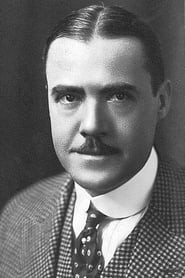
Richard Neill
Actor
Born: December 12, 1865 in Philadelphia, Pennsylvania, USA Died: April 2, 1949 Active: 1911-1925
Films
4 films
About Richard Neill
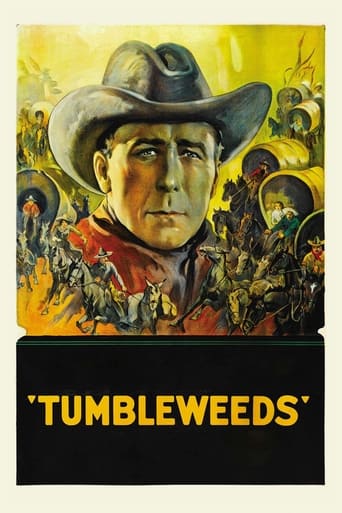
Richard Neill worked on one surviving credit: Tumbleweeds (1925). Born in Philadelphia, Pennsylvania, Neill established himself as a reliable character actor, appearing in numerous productions across various studios. His filmography showcases his versatility, ranging from early one-reel shorts to feature-length Westerns and dramas. Neill worked with some of the era's notable directors and appeared alongside prominent silent film stars. His career peaked during the 1920s when he appeared in significant films like 'Tumbleweeds' (1925), which became Westerns of the silent era. As the transition to sound films began, Neill's screen appearances diminished, and he eventually retired from acting. His contributions to early cinema, particularly in the Western genre, remain part of Hollywood's foundational history.
The Craft
On Screen
Neill was known for his naturalistic acting style that evolved with the medium, adapting from the more theatrical gestures of early cinema to the subtler performances demanded by feature films. He possessed a commanding screen presence and was particularly effective in roles requiring authority or gravitas. His performances in Westerns showcased his ability to portray rugged, authentic characters that resonated with audiences of the era.
Milestones
- Appeared in over 150 films during the silent era
- Worked with director D.W. Griffith
- Featured in the landmark Western 'Tumbleweeds' (1925)
- Transitioned from early shorts to feature films
- Established himself as a reliable character actor in Hollywood
Best Known For
Iconic Roles
Must-See Films
Accolades
Special Recognition
- Contributor to early Hollywood cinema
- Part of the foundation of American Western films
Working Relationships
Worked Often With
Studios
Why They Matter
Impact on Culture
Richard Neill contributed to the development of American cinema during its formative years, helping establish the conventions of silent film acting. His work in Westerns helped shape the genre's early identity, contributing to the archetypes and storytelling techniques that would define Hollywood Westerns for decades. As part of the generation that transitioned from stage to screen, Neill represented the bridge between theatrical traditions and cinematic naturalism that characterized early American film.
Lasting Legacy
While not as widely remembered as leading stars of his era, Richard Neill's legacy lives on through his surviving film work, which serves as a valuable record of early American cinema. His performances in films like 'Tumbleweeds' remain important examples of silent film acting and Western genre development. Film historians and silent cinema enthusiasts continue to study his work as part of understanding the evolution of American film acting and the development of genre cinema.
Who They Inspired
Neill's naturalistic approach to film acting influenced the transition away from theatrical gestures toward more subtle, camera-appropriate performances. His work in Westerns helped establish character types and narrative conventions that would influence countless subsequent films in the genre. As part of the early Hollywood community, he contributed to the professional standards and techniques that would define American cinema's golden age.
Off Screen
Richard Neill maintained a relatively private personal life away from the spotlight. He married and had children, though specific details about his family life remain limited in historical records. Like many actors of his era, he experienced the dramatic shifts in the film industry as it evolved from short films to features and from silent to sound pictures. His later years were spent away from the entertainment industry, living in California until his death in 1949 at the age of 83.
Education
No formal acting education documented; likely learned through experience in early theater and film
Family
- Unknown (marriage details not widely documented)
Did You Know?
- Appeared in over 150 films during his 14-year career
- Worked during the pivotal transition from short films to feature-length movies
- Was part of the Biograph Studios company that launched many early film careers
- Appeared in films that are now considered important artifacts of early American cinema
- His active years covered the entire silent era from its early days to its peak
- Worked with some of the biggest Western stars of the 1920s
- Survived the transition from the East Coast film industry to Hollywood
- His film 'Tumbleweeds' (1925) was selected for preservation in the National Film Registry
- Represented the working actor who made a living through steady character roles
- His career ended just as the sound era was beginning, like many silent film actors
In Their Own Words
No widely documented quotes from Richard Neill survive from interviews or writings
Frequently Asked Questions
Who was Richard Neill?
American with credits in this catalog. He was known primarily as a character actor who worked in various genres but made significant contributions to Western films, including the landmark 'Tumbleweeds' (1925).
What films is Richard Neill best known for?
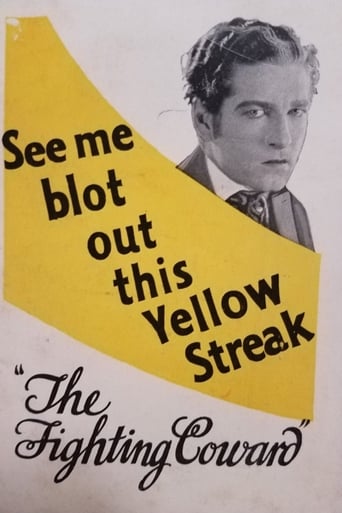
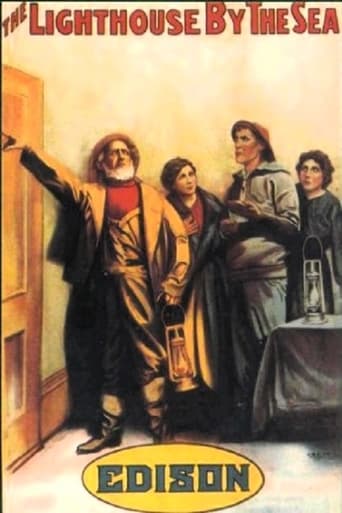
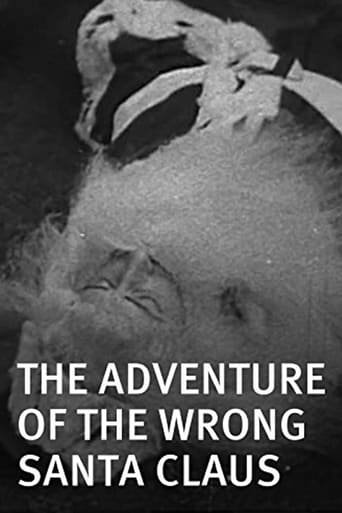
Titles linked here include The Lighthouse by the Sea (1911), The Adventure of the Wrong Santa Claus (1914).
When was Richard Neill born and when did he die?
Born December 12, 1865; died April 2, 1949.
What awards did Richard Neill win?
Richard Neill did not receive major formal awards during his career, as the award systems we know today were not established during most of his active years. However, his contributions to early cinema, particularly in Western films, have been recognized through film preservation efforts and historical acknowledgment of his role in developing the medium.
What was Richard Neill's acting style?
Richard Neill's acting style evolved with the medium of film, adapting from the more theatrical gestures common in early cinema to the more naturalistic performances demanded by feature films. He was particularly effective in portraying authority figures and rugged Western characters, bringing authenticity and gravitas to his supporting roles.