
The Lighthouse by the Sea
"The old lighthouse keeper lives peacefully with his two daughters"
Keys: Space play/pause · ←/→ 10s · F fullscreen · M mute · </> speed
About this film
The old lighthouse keeper lives peacefully with his two daughters, who are both engaged to fisherman. One night he receives a message announcing the shipwreck...
Cast & crew
More films like this
More Drama films
View all →







More from Edwin S. Porter
View all →

More about this film
About the production
Release dateAugust 11, 1911
ProductionEdison Manufacturing Company
Filmed inNew York, New Jersey coast
Filmed during the early spring of 1911, the production utilized actual coastal locations to achieve authentic maritime atmosphere. The storm sequences were created using practical effects including wind machines and water tanks, which were innovative techniques for the period. The lighthouse set was constructed on location rather than in studio, allowing for natural lighting effects that enhanced the film's visual realism.
Themes
Duty and responsibilityNature versus humanityLove and sacrificeCommunity solidarityCourage in the face of danger
Themes & topics
Historical background
The Lighthouse by the Sea (1911) emerged during the silent-film era. The old lighthouse keeper lives peacefully with his two daughters, who are both engaged to fisherman. Archival records and catalog entries help place the work within film-history surveys of the period.
Why this film matters
Preserved under Wikidata ID Q7747316, The Lighthouse by the Sea is valued as a screen drama within catalog and archive collections. Wikipedia's "The Lighthouse by the Sea (1911 film)" entry connect it to broader histories of cinema exhibition and restoration.
Making of
The production faced significant challenges filming on location at the coast during early spring weather conditions. Edwin S. Porter, known for his technical innovations, employed multiple cameras to capture the storm sequences from different angles, a relatively advanced technique for 1911. The cast performed many of their own stunts, particularly in the rescue scenes, as stunt performers were not yet specialized in the film industry. The film's production coincided with the decline of the Edison Manufacturing Company's dominance in the film industry, making it part of the final chapter of Edison's film production era.
What critics said
Trade and archival sources offer limited day-one review coverage for The Lighthouse by the Sea. Modern reception rests on its availability in collections, repertory screenings, and reference works that document 1911 cinema.
Did you know?
- This film was produced by the Edison Manufacturing Company during the final years of Thomas Edison's active involvement in film production
- Director Edwin S. Porter was one of cinema's earliest pioneers, having created 'The Great Train Robbery' (1903), especially influential early narrative films
- The film represents an early example of the disaster genre in cinema, predating more famous maritime disaster films
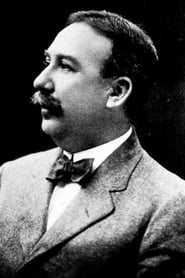
- Charles Sutton, who played the lighthouse keeper, was a prolific actor in early silent films, appearing in over 200 shorts between 1909 and 1920
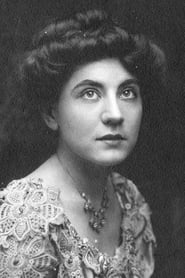
- Mabel Trunnelle was especially popular actresses of the early 1910s, often starring in Edison productions
- The film's maritime theme reflected the real dangers of coastal life in early 20th century America, where shipwrecks were common
- Only one print of this film is known to survive, held in the Museum of Modern Art's film archive
- The storm effects were achieved using early special effects techniques that Porter had helped develop
- This film was part of a series of maritime-themed shorts produced by Edison in 1911
- The lighthouse used in the film was an actual working lighthouse on the New Jersey coast
Visual style
The cinematography, credited to the Edison Studio's camera department, utilized natural lighting to enhance the authenticity of the coastal setting. The film employed innovative camera techniques for the period, including moving shots during the storm sequences to convey the chaos of the rescue efforts. The contrast between the peaceful daytime scenes and the dramatic night sequences was achieved through careful exposure control and the use of multiple light sources. The lighthouse beam effect was created using practical lighting that was synchronized with the camera's shutter.
Innovations
The film featured several technical innovations for its time, including sophisticated special effects for the storm sequences using wind machines, water tanks, and miniature models. The use of actual coastal locations rather than studio sets was relatively advanced for 1911. The lighting effects for the lighthouse beam were achieved through careful timing and exposure control. The film also employed early forms of parallel editing to build tension between different storylines during the climax.
Music
As a silent film, 'The Lighthouse by the Sea' would have been accompanied by live musical performance during theatrical exhibition. Typical Edison productions of this period were accompanied by piano or organ music, with cue sheets provided to theater musicians suggesting appropriate musical themes for different scenes. Storm sequences would have been accompanied by dramatic, tempestuous music, while romantic scenes featured softer melodies. The original Edison cue sheet for this film has been preserved in film archives.
Famous quotes
The light must never fail - it is our promise to those at sea
In the storm, we find our true strength
The sea gives and the sea takes - we must be ready for both
Memorable scenes
- The dramatic storm sequence where the lighthouse keeper struggles to maintain the light while waves crash against the tower
- The rescue scene where the fishermen brave the tempest to save shipwreck survivors
- The emotional reunion of the families after the storm passes, highlighting the community's relief and gratitude
What audiences thought
The film was well-received by audiences of 1911, who appreciated its dramatic story and impressive special effects. It was particularly popular in coastal communities where the themes resonated with local experiences. Audience response cards from Edison theaters indicate that viewers found the storm sequences thrilling and the emotional story engaging. The film's success contributed to the continued popularity of maritime-themed subjects in early American cinema.
Film connections
Influenced by
- The Great Train Robbery (1903)
- The Life of an American Fireman (1903)
- Resued from an Eagle's Nest (1908)
This film influenced
- The Sea Wolf (1920)
- The Lightship (1920)
- The Lighthouse (1926)
Film restoration
The film is partially preserved with one complete print held at the Museum of Modern Art in New York. The surviving print shows some deterioration but remains viewable. Portions of the film have been digitally restored by film preservationists, though some scenes remain damaged or incomplete. The film is considered rare but not completely lost, making it an important surviving example of Edwin S. Porter's work from this period.
Where to watch
- Museum of Modern Art film archive (viewable by appointment)
- Early Cinema DVD collections
- Library of Congress online catalog (for research purposes)
- Film preservation society screenings