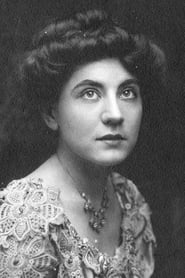
Laura Sawyer
Actor
Born: August 26, 1885 in Iron Mountain, Michigan, USA Died: September 7, 1970 Active: 1908-1914
Films
2 films

About Laura Sawyer
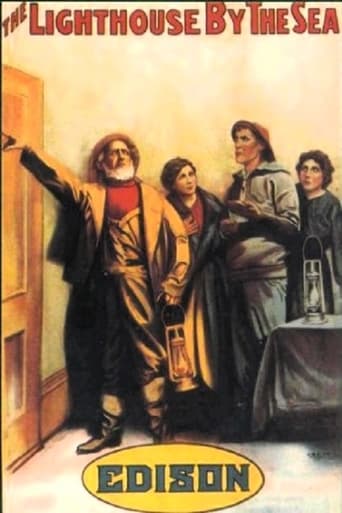
American silent film actress who emerged as one of the performers during cinema's earliest years. Born in 1885 in Iron Mountain, Michigan, she began her film career with the Thanhouser Company in 1908, quickly becoming one of their most reliable and versatile leading ladies. During her peak years from 1908-1911, she appeared in dozens of one-reel films, showcasing her ability to portray both dramatic and comic characters with equal skill. Her performances in films like 'Tale the Autumn Leaves Told' and 'The Lighthouse by the Sea' demonstrated the emerging language of cinema and helped establish narrative techniques that would influence future filmmakers. After her tenure with Thanhouser, she continued working briefly with other studios before retiring from acting around 1914. Sawyer lived to witness the complete transformation of cinema from silent shorts to modern blockbusters, passing away in 1970 at age 85, leaving behind a legacy as one of cinema's earliest professional actresses.
The Craft
On Screen
Laura Sawyer's acting style was characteristic of the transitional period between stage melodrama and naturalistic film performance. She utilized exaggerated gestures and facial expressions typical of early cinema to convey emotion clearly to audiences, yet showed remarkable subtlety compared to many of her contemporaries. Her performances demonstrated an understanding of the camera's intimate nature, allowing for more nuanced expressions than stage acting permitted. Sawyer was particularly adept at conveying complex emotional states through her eyes and subtle body movements, making her effective in both dramatic and comedic roles.
Milestones
- Leading actress at Thanhouser Company (1908-1911)
- Appeared in over 100 films during her career
- silent film performer during cinema's formative years
- Starred in early narrative films that helped develop cinematic storytelling
- Transitioned from stage to emerging film medium
Best Known For
Iconic Roles
Must-See Films
Working Relationships
Worked Often With
Studios
Why They Matter
Impact on Culture
Laura Sawyer represents the generation of performers who helped establish film acting as a legitimate profession during cinema's formative years. As one of Thanhouser Company's leading actresses, she contributed to the development of narrative film techniques and helped demonstrate that moving pictures could support complex character-driven stories. Her work during this crucial transitional period influenced subsequent generations of actors by establishing conventions for film performance that differed from theatrical acting. Though largely forgotten today, Sawyer and her contemporaries laid the groundwork for the star system that would dominate Hollywood for decades.
Lasting Legacy
Laura Sawyer's legacy lies in her role as a pioneer of American cinema, representing the bridge between theatrical traditions and the emerging art form of film. While she did not achieve the lasting fame of stars like Mary Pickford or Charlie Chaplin, her prolific output during 1908-1914 helped establish the viability of narrative cinema and demonstrated that audiences would invest emotionally in film characters. Her career trajectory—from leading lady to civilian following the industry's rapid evolution—exemplifies the experiences of many early film performers who witnessed but did not always benefit from cinema's transformation into a major cultural institution.
Who They Inspired
As an early film actress, Laura Sawyer influenced the development of screen acting techniques during a crucial period when performers were learning to adapt their craft for the camera. Her work with Thanhouser Company helped establish templates for character types and performance styles that would be refined by subsequent generations of actors. While she did not directly mentor famous stars who came after her, her body of work served as part of the foundation upon which the Hollywood star system was built, demonstrating the commercial and artistic potential of film acting as a distinct discipline from stage performance.
Off Screen
Laura Sawyer married James H. Wood in 1912, around the time she was transitioning away from her film career. The couple eventually settled in California where Sawyer embarked on a second career as a real estate broker, demonstrating the adaptability of early film stars who often had to find new livelihoods as the industry evolved. Unlike many of her contemporaries who struggled with the transition to sound films or faced financial difficulties, Sawyer appears to have successfully navigated this change. She maintained a relatively private life after leaving the film industry, avoiding the scandals and public controversies that affected some of her peers.
Family
- James H. Wood (1912-1970)
Did You Know?
- Was
- Worked primarily with Thanhouser Company, one of the first independent film studios
- Her film active years covered the crucial transition from short films to feature-length productions
- Like many early film stars, she came from a theatrical background before entering movies
- Successfully transitioned to a second career in real estate after leaving the film industry
- Lived to see the complete evolution of cinema from silent shorts to modern blockbusters
- Her films were often distributed internationally, making her one of the earliest American film stars with global recognition
- Worked during an era when actors were rarely credited by name in films
- Appeared in adaptations of literary works, helping establish the practice of literary adaptation in cinema
- Her career demonstrates the rapid pace of change in early American film industry
Frequently Asked Questions
Who was Laura Sawyer?
American silent film actress who was active during the early years of cinema, primarily from 1908 to 1914. She was one of the leading actresses for the Thanhouser Company and appeared in over 100 films during her career, helping establish the conventions of film acting during cinema's formative period.
What films is Laura Sawyer best known for?
Titles linked here include Tale the Autumn Leaves Told (1908), The Lighthouse by the Sea (1911).
When was Laura Sawyer born and when did she die?
Born August 26, 1885; died September 7, 1970.
What awards did Laura Sawyer win?
Laura Sawyer did not receive any formal awards or nominations during her career, as she worked during the earliest period of American cinema before the establishment of major film awards like the Academy Awards. Her recognition came from being a popular and prolific actress during her active years.
What was Laura Sawyer's acting style?
Laura Sawyer's acting style was characteristic of the transitional period between stage melodrama and naturalistic film performance. She used expressive gestures and facial expressions typical of early cinema but showed more subtlety than many contemporaries, understanding the camera's ability to capture nuanced emotions.