Films
5 films
About J. Gordon Russell
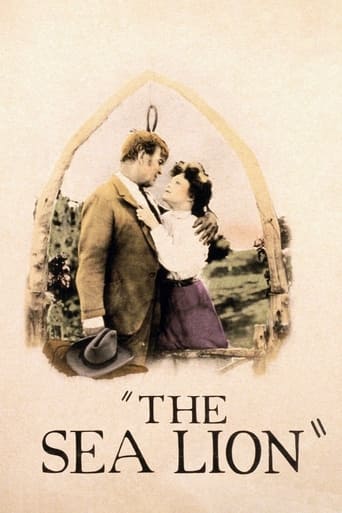
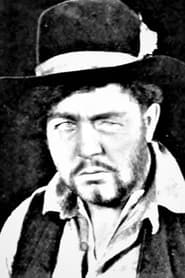
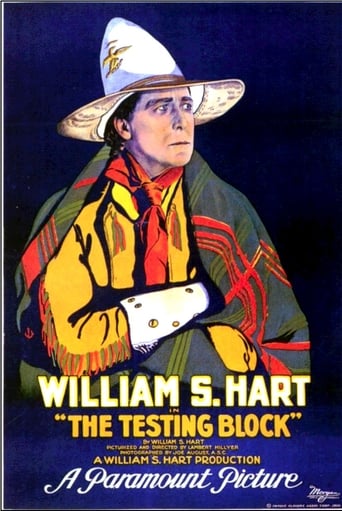
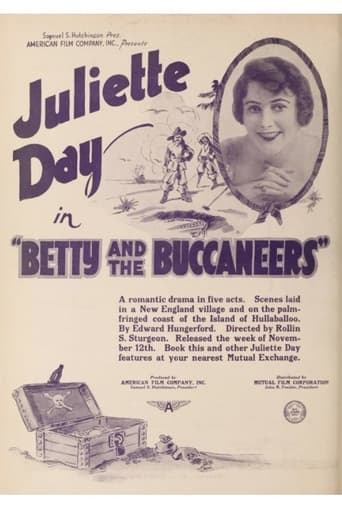
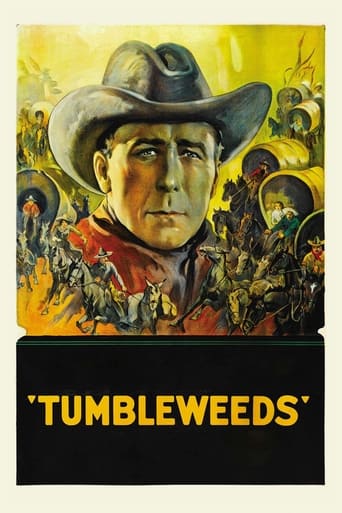
Silent-era screen actor active in American motion pictures from at least 1917 through the mid-1920s. His surviving screen record places him in a small but noteworthy cluster of early features including Betty and the Buccaneers (1917), The Testing Block (1920), The Sea Lion (1921), and Tumbleweeds (1925). Because he worked in the silent period, his performances would have depended heavily on facial expression, physical presence, and clear visual storytelling rather than dialogue, which was a defining requirement for actors of the era. Like many character players and supporting performers of the silent screen, he appears in film histories mainly through credits rather than through extensive contemporary publicity, which makes his personal life and offscreen biography difficult to document. Available evidence suggests he was a working actor rather than a major star, contributing to the fabric of early Hollywood productions American cinema. His career arc reflects the broader reality of many silent-era performers whose work helped shape the medium but whose names are preserved primarily in filmographies, studio records, and reference databases. Beyond the listed films, no reliably verified extended biography, family history, or later career documentation has surfaced in standard classic-cinema reference sources.
The Craft
On Screen
As a silent-era actor, J. Gordon Russell would have relied on expressive gesture, posture, and facial emphasis to communicate character and emotion. No detailed contemporary critical assessments of his individual technique have been located in standard reference sources, so a precise stylistic profile cannot be verified. His known filmography suggests he was likely employed in supporting or featured roles where reliability, screen clarity, and adaptability were valued. His work would have had to suit the broad visual language of silent cinema while remaining believable within melodrama, adventure, and western storytelling.
Milestones
- Appeared in Betty and the Buccaneers (1917), one of his earliest known screen credits
- Worked steadily in the silent era through The Testing Block (1920) and The Sea Lion (1921)
- Reached the mid-1920s with a credited role in Tumbleweeds (1925), a title associated with the late silent western cycle
- Represents the class of supporting silent-film actors whose work supported early feature production
- Maintained screen activity across a notable span of the silent-film decade
Best Known For
Iconic Roles
Must-See Films
Why They Matter
Impact on Culture
J. Gordon Russell's cultural impact lies less in celebrity than in representation: he is part of the large body of silent-era screen talent whose work made the early feature film industry function. Actors like Russell helped populate the stories, westerns, adventures, and dramas that defined the visual grammar of American cinema before synchronized sound. Even when individual performers were not major stars, their screen presence contributed to the tone, pacing, and believability of early features. For modern historians, names such as his are valuable because they document the network of working actors who sustained the silent industry between major marquee attractions. His filmography also offers evidence of how many performers moved across genres during the 1910s and 1920s, adapting to the changing demands of studio production.
Lasting Legacy
Russell's legacy is primarily archival and historical: he remains part of the documented roster of silent-era film personnel whose credits help scholars reconstruct production history. The survival of his name in film records demonstrates how even comparatively obscure actors contributed to the development of American feature cinema. His work in titles spanning 1917 to 1925 places him within a crucial transitional period that saw the maturation of silent storytelling and the rise of genre filmmaking. For film databases and historians, he serves as an example of the many supporting performers whose careers are visible in filmographies even when their biographies have not survived in detail. In that sense, his legacy is the preservation of a working actor's footprint in classic cinema history.
Who They Inspired
No direct, documented influence on later actors or directors has been verified. His broader influence is indirect: by participating in silent-era production, he contributed to performance traditions that later sound-era actors and filmmakers inherited. Supporting players such as Russell helped establish the ensemble conventions and visual acting practices that were foundational to early screen acting. Because no personal interviews, teaching activity, or mentorship record has been found, his influence can only be described at the level of participation in the medium's development.
Off Screen
No reliably verified biographical information about J. Gordon Russell's personal life has been located in the standard classic-cinema reference materials commonly used for silent-era performers. Details such as marriages, family background, home life, and post-film career are not clearly documented in the available sources. As a result, his offscreen life remains largely obscure, which is not unusual for lesser-documented working actors from the silent period. Any further claims about relationships or family would be speculative and are therefore omitted here.
Education
No verified educational background has been located in accessible classic-cinema reference sources.
Did You Know?
- J. Gordon Russell's surviving film record is concentrated entirely in the silent era.
- He is J. Gordon Russell appeared in both early 1910s and mid-1920s films, showing a multi-year screen presence.
- His known career spans the transition from early feature filmmaking into the late silent period.
- No widely circulated stills, interviews, or publicity features about him are readily documented in standard reference sources.
- His name is preserved chiefly through film credits rather than through biographical writing.
- He worked during a period when many performers were not yet established as long-term studio stars.
- The titles associated with him include adventure and western material typical of the silent era.
- Because silent-era actors often had limited surviving documentation, his biography is especially sparse compared with major contemporaries.
Frequently Asked Questions
Who was J. Gordon Russell?
Silent-era American screen with credits in this catalog. He appears to have been a supporting performer rather than a major star, contributing to early feature productions during the formative years of Hollywood.
What films is J. Gordon Russell best known for?
Titles linked here include Betty and the Buccaneers (1917), The Testing Block (1920).
When was J. Gordon Russell born and when did he die?
At present, his birth date and death date are not reliably verified in accessible silent-cinema reference sources. Likewise, his birth place and other personal details remain undocumented in standard film references.
What awards did J. Gordon Russell win?
No awards or formal nominations have been documented for J. Gordon Russell in the available classic-cinema references. This is common for many working actors of the silent era, especially those whose careers were primarily in supporting roles.
What was J. Gordon Russell's acting style?
As a silent-era actor, his performances would have depended on expressive physical acting, clear gestures, and readable facial emotion. No detailed critical profile of his technique has survived, but his work would have needed to suit the visual storytelling conventions of silent film.
What is J. Gordon Russell's legacy in film history?
His legacy is mainly historical and archival, as part of the working cast of performers who helped shape silent-era cinema. Though not a major star, his credited appearances preserve an important trace of the many actors who supported the growth of American feature filmmaking.