The Testing Block
"Western outlaw, violinist, ruined at cards"
Keys: Space play/pause · ←/→ 10s · F fullscreen · M mute · </> speed
About this film
Outlaw Sierra Bill forces traveling violinist Nelly Gray to marry him until gambler Ringe lures her away and breaks him at the tables.
Cast & crew
More films like this
More Western films
View all →

More from Lambert Hillyer
View all →


More about this film
About the production
Release dateSeptember 1920
ProductionWilliam S. Hart Productions, Paramount Pictures
Filmed inBishop, California, Lone Pine, California, Alabama Hills
The film was shot on location in the Sierra Nevada mountains, taking full advantage of the dramatic western landscapes that William S. Hart preferred for his films. Hart was known for his insistence on authenticity, often using real cowboys as extras and incorporating genuine frontier equipment and costumes. The production faced challenges with weather conditions in the mountain locations, with several scenes having to be reshot due to unexpected snowfall.
Themes
RedemptionThe conflict between civilization and frontier justiceThe power of love to transformMoral testing and character developmentFamily versus outlaw life
Themes & topics
Historical background
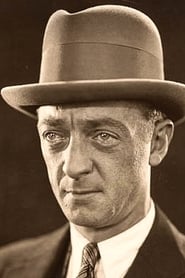
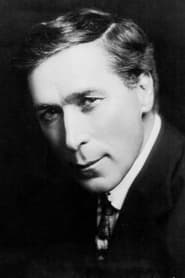
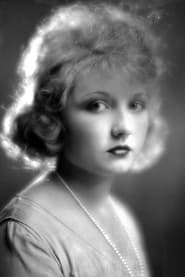
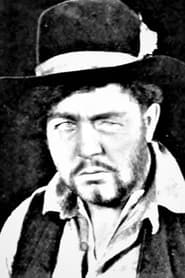
Released in 1920, The Testing Block arrived during the Jazz Age, when audiences were hungry for new screen experiences. Hart, Eva Novak, J. Gordon Russell, Florence Carpenter, Richard Headrick, and Ira McFadden.
Why this film matters
The Testing Block remains a reference point for scholars tracing how Jazz Age filmmaking handled plot, performance, and audience expectation.
Making of
William S. Hart was deeply involved in every aspect of his films' production, often co-writing scripts and having final say on casting. For 'The Testing Block,' Hart worked closely with director Lambert Hillyer to develop the story, which reflected Hart's vision of the 'noble outlaw' archetype. The film was shot during the summer of 1920, with the cast and crew enduring harsh conditions in the Sierra Nevada locations. Hart was known for his method approach to acting, often staying in character between takes and insisting on authentic costumes and props. The relationship between Hart and Novak on set was professional but strained at times, as Hart was known for his intense working style. The gambling scenes were choreographed with real professional gamblers to ensure authenticity, and the jail break sequence required elaborate set construction and careful planning to execute the dangerous stunts safely.
What critics said
Modern silent- and classic-film writers often revisit The Testing Block for its place in the Jazz Age lineup rather than for blockbuster status.
Did you know?
- William S. Hart was one of the highest-paid actors of the silent era, earning over $10,000 per week during his peak years
- The film features Hart's famous horse 'Fritz', who appeared in most of Hart's westerns and became almost as famous as Hart himself
- Eva Novak was only 19 years old when she made this film, early in her career that would span over 200 films
- Lambert Hillyer directed 13 films starring William S. Hart, making him one of Hart's most frequent collaborators
- The film's title refers to the moral 'testing block' that the main character must overcome
- William S. Hart was known for performing his own stunts, including dangerous horse riding scenes
- The film was one of the last major successes of Hart's career before his retirement from films in 1925
- Hart's production company had its own studio and backlot in Newhall, California, where many of his films were partially shot
- The violin playing scenes were actually performed by Eva Novak, who had received musical training before becoming an actress
- The film's theme of redemption was a recurring element in Hart's westerns, reflecting his personal moral code
Visual style
The cinematography by Joseph H. August utilized the dramatic landscapes of the Sierra Nevada mountains to create a visual narrative that complemented the film's moral themes. August employed natural lighting extensively, particularly in outdoor scenes, to enhance the authenticity of the western setting. The film features several innovative camera techniques for its time, including tracking shots during chase sequences and carefully composed close-ups to emphasize emotional moments. The contrast between the rugged outdoor locations and the more intimate indoor scenes was used to visually represent the protagonist's internal conflict between his outlaw nature and his desire for domesticity.
Innovations
The Testing Block employed several technical innovations for its time, including the use of multiple cameras for complex action sequences. The film's location shooting in the Sierra Nevada mountains required portable equipment and innovative solutions for power and lighting in remote areas. The jail break sequence featured elaborate mechanical effects and carefully timed stunts that pushed the boundaries of what was technically possible in 1920. The film also made use of early matte painting techniques to enhance the western landscapes and create more dramatic backgrounds. The production team developed new methods for filming horseback riding sequences, resulting in more dynamic and realistic chase scenes.
Music
As a silent film, The Testing Block would have been accompanied by live musical performances during its original theatrical run. The typical score would have included popular songs of the era, classical pieces, and specially composed mood music. The violin playing scenes in the film would have been synchronized with live musicians in the theater orchestra. While no original score survives, contemporary accounts suggest that the musical accompaniment emphasized the film's emotional moments, particularly during the romantic scenes and the final confrontation. The use of music was crucial in conveying the film's themes and emotional content to silent-era audiences.
Famous quotes
'A man's gotta face his own devil sometime' - Sierra Bill
'Love ain't just a feeling, it's a test' - Nelly Gray
'The West tests everyone, and only the strong survive' - Ringe
'You can run from the law, but you can't run from yourself' - Sierra Bill
Memorable scenes
- The dramatic confrontation between Sierra Bill and Ringe in the dusty town street, where the moral climax of the film plays out against the backdrop of the western landscape
- The tender scene where Sierra Bill watches Nelly Gray play her violin, showing the outlaw's softer side and establishing their emotional connection
- The intense jail break sequence, featuring innovative stunt work and cinematography that creates genuine tension and excitement
What audiences thought
The Testing Block was a commercial success upon its release, particularly popular in rural areas and small towns where western films had their strongest following. Audiences responded positively to Hart's portrayal of the conflicted outlaw, and the film's themes of family and redemption resonated strongly with post-WWI American values. The film's box office performance was strong enough to cement Hart's status as especially popular stars of the early 1920s. Contemporary audience letters and reviews in trade publications indicate that viewers particularly appreciated the film's emotional depth and the authentic western setting. The film's success helped maintain the popularity of the western genre during a period when other genres were gaining prominence.
Film connections
Influenced by
- The Virginian (novel)
- D.W. Griffith's western shorts
- Stagecoach (earlier western archetypes)
- The Great Train Robbery
This film influenced
- The Iron Horse (1924)
- The Big Trail (1930)
- Stagecoach (1939)
- High Noon (1952)
- The Searchers (1956)
Film restoration
The Testing Block is preserved in the Library of Congress collection and has been restored by several film archives. While some deterioration is evident due to the film's age, the majority of the picture survives in watchable condition. A restored version was released on DVD as part of the William S. Hart collection, featuring new musical scores and improved image quality. The film is also available through various film preservation organizations and occasionally screened at classic film festivals and museums.
Where to watch
- The Criterion Channel
- Kino Lorber DVD collection 'William S. Hart: The Western Collection'
- Internet Archive (public domain version)
- Museum of Modern Art film screenings
- UCLA Film & Television Archive
- Library of Congress online catalog