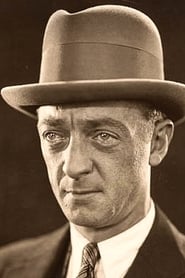
Lambert Hillyer
Director
Born: July 8, 1893 in South Bend, Indiana, USA Died: July 5, 1969 Active: 1917-1949
Films
10 films
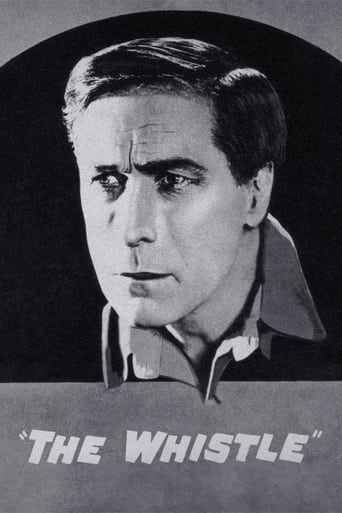

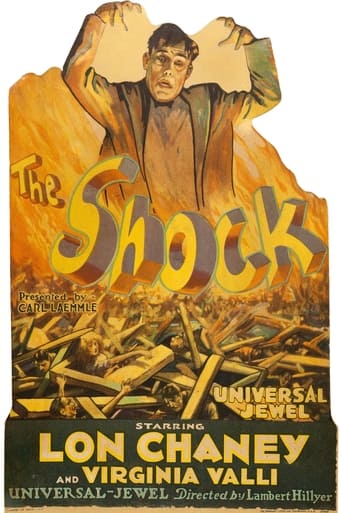

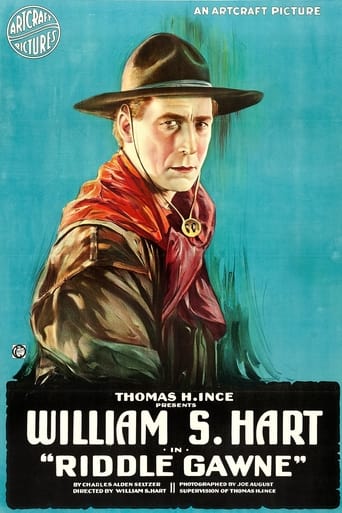
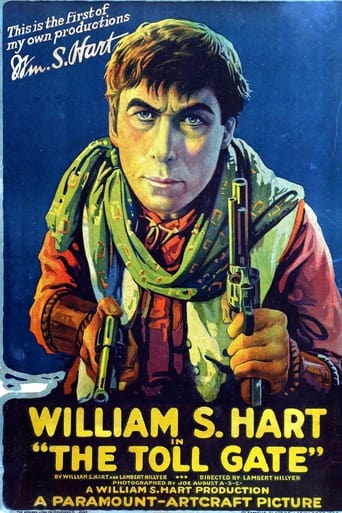
About Lambert Hillyer
Prolific American director and screenwriter who worked extensively during the silent era and transitioned successfully into sound films. Beginning his career in 1917, Hillyer directed over 160 films across various genres, though he became particularly known for his westerns and action pictures. He frequently collaborated with stars like William S. Hart, Harry Carey, and later worked on Universal's horror franchises, directing several of their popular monster films. Hillyer was known for his efficiency and reliability, often completing multiple pictures per year for various studios. His screen career spanned the silent era through the early 1940s, making him prolific directors of his generation. While never achieving the critical acclaim of contemporary auteurs like John Ford or Cecil B. DeMille, Hillyer's workmanlike approach and versatility made him a valuable asset to Hollywood's studio system during its golden age.
The Craft
Behind the Camera
Hillyer was known for his efficient, no-nonsense directing style that emphasized clear storytelling and action. His approach was practical rather than artistic, focusing on delivering entertaining genre films on tight schedules and budgets. He had a particular talent for westerns, bringing authenticity to outdoor scenes and action sequences. In his horror films, he demonstrated skill in creating atmospheric tension while maintaining the studio's commercial formula. His direction was characterized by competent camera work, solid pacing, and an understanding of genre conventions that satisfied audiences of his era.
Milestones
- Directed over 160 films in his career
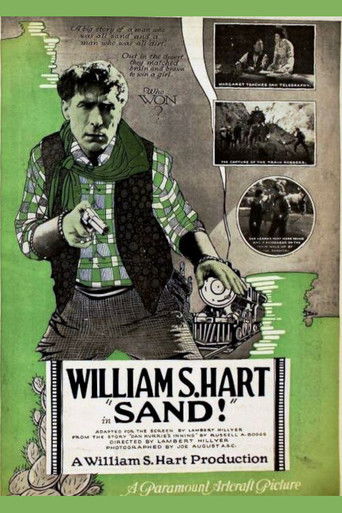
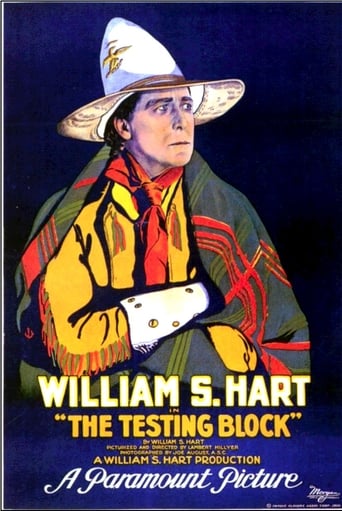
- Collaborated extensively with western star William S. Hart
- Directed several Universal horror films including 'The Black Cat' (1941)
- Successfully transitioned from silent films to talkies
- Wrote screenplays for many of his own films
Best Known For
Must-See Films
Accolades
Special Recognition
- Hollywood Walk of Fame star for contributions to motion pictures
Working Relationships
Worked Often With
Studios
Why They Matter
Impact on Culture
Lambert Hillyer's impact on cinema lies primarily in his contribution to the development of the western genre during the silent era and his work on Universal's horror cycle. His westerns with William S. Hart helped establish many conventions of the genre that would later be refined by directors like John Ford. In the horror realm, his films, while not as celebrated as those of James Whale or Tod Browning, contributed to the expansion of Universal's monster universe and helped maintain the studio's dominance in horror during the 1930s and 1940s. His ability to work efficiently across genres made him an essential part of Hollywood's studio system, demonstrating the importance of reliable craftsmen directors in maintaining the industry's output during its golden age.
Lasting Legacy
Lambert Hillyer's legacy is that of a quintessential Hollywood journeyman director - not an auteur, but a skilled craftsman who delivered consistent entertainment across decades and genres. His westerns helped shape the language of silent film westerns, while his horror films contributed to the golden age of Universal monster movies. While his name may not be as recognizable as some of his contemporaries, film historians recognize his importance in maintaining Hollywood's production efficiency and quality control during the studio era. His career exemplifies the type of director who was essential to Hollywood's success - versatile, reliable, and capable of delivering commercial entertainment regardless of the genre or budget constraints.
Who They Inspired
Hillyer influenced later generations of B-movie and genre directors through his efficient work methods and genre expertise. His westerns particularly influenced the development of the genre's visual language and storytelling conventions. In the horror field, his approach to Universal's monster films demonstrated how to maintain franchise consistency while working with limited resources. His career trajectory from silent films to sound, and across multiple genres, serves as a case study in adaptability that influenced many directors who followed in the studio system.
Off Screen
Lambert Hillyer was married to actress Rita Stanwood, with whom he had one child. Despite his prolific career in Hollywood, Hillyer maintained a relatively private personal life, focusing primarily on his work. He was known among colleagues as reliable and professional, though not particularly social in Hollywood circles. His later years were spent away from the film industry, living quietly until his death in 1969.
Education
Educated in South Bend, Indiana; no formal film school training as was typical of his era
Family
- Rita Stanwood (1920-1969)
Did You Know?
- Directed over 160 films in a 30+ year career
- Began as a screenwriter before moving to directing
- Worked with virtually every major horror star at Universal
- His film 'The Black Cat' (1941) was a loose remake of the 1934 classic
- Often completed films in under two weeks due to tight schedules
- Was one of the few directors to work with both silent star William S. Hart and later horror icon Bela Lugosi
- His efficiency made him a favorite of cost-conscious producers
- Directed several films in the Boston Blackie series
- Worked extensively in the Charlie Chan film series
- Never received an Academy Award nomination despite his prolific output
In Their Own Words
In Hollywood, you're only as good as your last picture - and I've made a lot of pictures
The secret to directing is knowing what you need and getting it quickly
Westerns teach you everything about filmmaking - action, emotion, and working with nature
Frequently Asked Questions
Who was Lambert Hillyer?
Prolific American on YTB.my. He was particularly known for his westerns, horror films, and ability to work efficiently across multiple genres for various studios.
What films is Lambert Hillyer best known for?
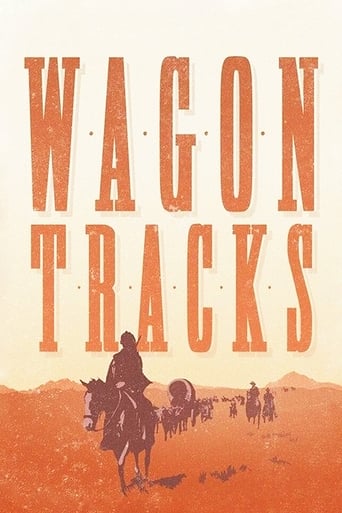
Titles linked here include Wagon Tracks (1919), The Shock (1923).
When was Lambert Hillyer born and when did he die?
Born July 8, 1893; died July 5, 1969.
What awards did Lambert Hillyer win?
Despite his prolific career, Lambert Hillyer never received major industry awards or Academy Award nominations. He was honored with a star on the Hollywood Walk of Fame for his contributions to motion pictures.
What was Lambert Hillyer's directing style?
Hillyer was known for his efficient, workmanlike directing style that prioritized clear storytelling and genre conventions. He was particularly skilled at westerns and horror films, delivering atmospheric and entertaining movies on tight schedules and budgets, making him a valuable studio system director.