







Should a Girl Marry?
"Born behind bars"
Keys: Space play/pause · ←/→ 10s · F fullscreen · M mute · </> speed
About this film
Blackmail threatens a doctor's wife when prison birth records surface in a 1939 exploitation quickie. A young woman and her doctor husband are victims of a blackmail scheme when it is discovered that she was born in prison.
Cast & crew
More Romance films
View all →



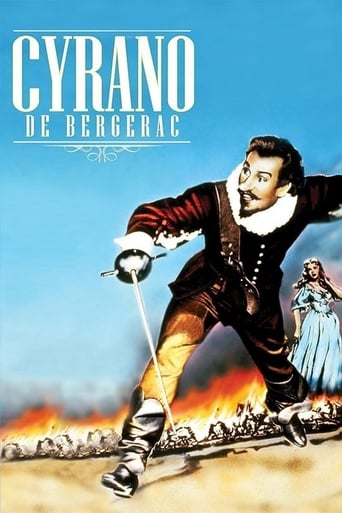
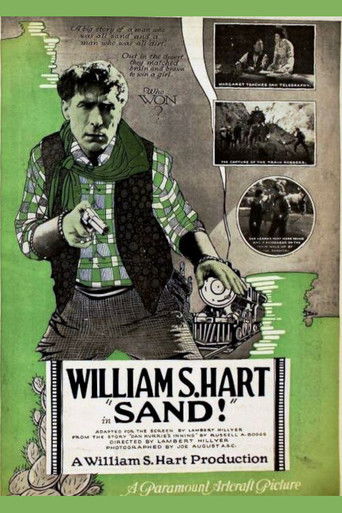
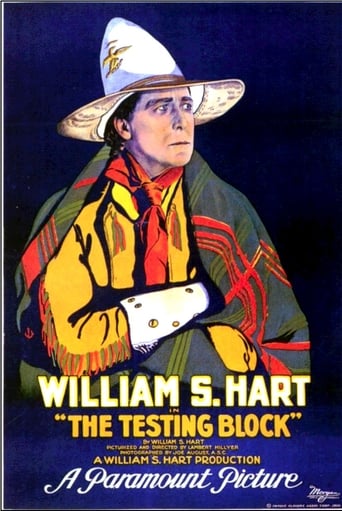
More from Lambert Hillyer
View all →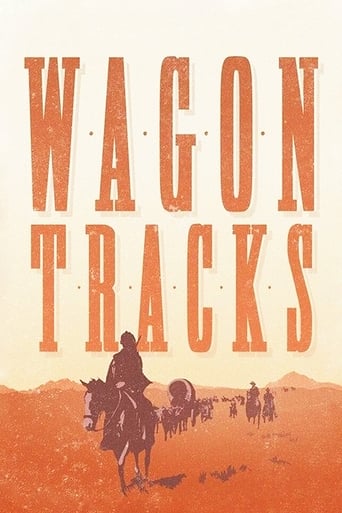

More about this film
About the production
Release dateMarch 2, 1939
ProductionColumbia Pictures
Filmed inColumbia Studios, Hollywood, California
This was a typical B-movie production from Columbia Pictures, filmed quickly on a modest budget. The film was part of Columbia's program of producing numerous low-budget features to fill double bills. Director Lambert Hillyer was known for his efficiency in directing such programmer films, often completing shooting in just a week or two. The film's subject matter was considered somewhat daring for its time, dealing with the stigma of being born in prison.
Themes
Social stigma and prejudiceRedemption and forgivenessThe power of love to overcome adversityClass distinctions in American societySecrets and their consequences
Themes & topics
Historical background
1939 placed Should a Girl Marry? within United States cinema as Columbia Pictures navigated wartime markets, immigration audiences, and the shift from intertitles to sound.
Why this film matters
Archivists revisit Should a Girl Marry? (1939) for Lambert Hillyer style, genre norms at Columbia Pictures, and the exhibition context of 62 minutes programming.
Making of
The production was rushed through Columbia's schedule as part of their efficient B-movie assembly line. Lambert Hillyer, a veteran director of programmers, brought the film in on time and under budget. The casting of Mayo Methot was particularly notable given her personal troubles at the time - her marriage to Humphrey Bogart was deteriorating, and her drinking problems were beginning to affect her work. Despite these challenges, she delivered a convincing performance as the blackmailer. The film's subject matter of a child born in prison was handled carefully to satisfy the Hays Code while still maintaining dramatic tension. The studio sets were reused from other Columbia productions, a common cost-saving measure for B-movies of the era.
What critics said
Retrospective writing on Should a Girl Marry? stresses craft by Lambert Hillyer, print survival, and repertory value rather than opening-week gross alone.
Did you know?
- Mayo Methot, who plays the antagonist, was married to Humphrey Bogart at the time of filming, during their notoriously turbulent marriage
- Director Lambert Hillyer directed over 150 films in his career, mostly Westerns and low-budget programmers
- The film was released just months before the Code Enforcement Administration began cracking down on controversial subject matter in films
- Anne Nagel was under contract to Columbia Pictures and appeared in numerous B-movies for the studio during this period
- Warren Hull was better known as a radio star and had a successful career in daytime television soap operas in the 1950s and 60s
- The film's theme of social stigma and redemption was common in Depression-era cinema
- This was one of the last films Mayo Methot made before her acting career declined due to personal issues
- The movie was part of a double bill with 'The Man Who Dared' (1939) in many theaters
- Columbia Pictures head Harry Cohn was known for greenlighting films with provocative themes that could attract audiences on small budgets
Visual style
The cinematography by Franz Planer was straightforward and functional, typical of B-movie productions. The lighting followed standard three-point lighting techniques to ensure clarity and visibility. Camera work was mostly static with basic coverage, using standard medium shots and close-ups. The visual style prioritized clarity and efficiency over artistic innovation, serving the story without drawing attention to itself. Some use of shadow and contrast in the blackmail scenes added appropriate tension to those sequences.
Music
The film featured a typical score for a Columbia B-picture, likely composed by studio contract musicians. The music served to underscore emotional moments and build tension during the blackmail sequences. No original songs were featured, and the soundtrack relied on stock musical cues that Columbia maintained in its library. The sound design was basic, focusing on clear dialogue recording which was essential for the plot-heavy narrative.
Famous quotes
A person can't help where they're born, but they can help what they become.
Love isn't about the past we can't change, it's about the future we build together.
Society judges quickly, but love understands slowly.
Memorable scenes
- The tense confrontation scene where the blackmailer first reveals Helen's secret to her husband, testing their marriage foundation
- The emotional hospital scene where Dr. Wilson must choose between his reputation and his wife
- The final confrontation where the couple stands together against their blackmailer
What audiences thought
As a B-movie, 'Should a Girl Marry?' likely satisfied its intended audience as part of a double bill. The film's melodramatic elements and timely themes would have provided appropriate entertainment for the time. No significant box office records were kept for such productions, but the fact that Columbia continued to produce similar films suggests they were profitable enough. The film's subject matter may have generated some discussion among audiences dealing with similar social prejudices in their own communities.
Film connections
Influenced by
- Other social problem films of the late 1930s
- Women's pictures dealing with social issues
- Previous Lambert Hillyer melodramas
Film restoration
The film exists in Columbia Pictures' archives and has been preserved as part of their library collection. While not commercially restored, prints are maintained for archival purposes. The film has occasionally appeared in retrospective screenings of 1930s B-movies or Columbia Pictures productions.
Where to watch
- The film is occasionally broadcast on Turner Classic Movies during their B-movie marathons
- Available through some specialty film archives and libraries
- Rare 16mm prints exist in collector circles
- Not currently available on major streaming platforms