
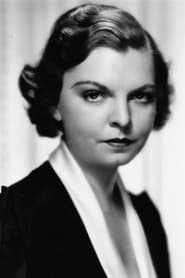
Mayo Methot
Actor
Born: March 3, 1904 in Portland, Oregon, USA Died: June 9, 1951 Active: 1929-1942 Birth Name: Mayo Jane Methot
Films
1 film
About Mayo Methot
Talented American actress: the transition from silent films to talkies, though she found her greatest success during the Golden Age of Hollywood. Born in Portland, Oregon, she began her acting career in theater before transitioning to films in the late 1920s. Methot developed a reputation for playing tough, cynical, and emotionally complex characters, often portraying women who were world-weary yet resilient. Her most acclaimed performance came in 1937's 'Marked Woman' alongside Bette Davis, where she demonstrated her ability to convey depth and vulnerability beneath a hardened exterior. Despite her considerable talent and numerous film appearances throughout the 1930s and early 1940s, her career became overshadowed by her turbulent marriage to Humphrey Bogart, which lasted from 1938 to 1945. After their divorce, Methot's film career declined, and she returned to her hometown of Portland, where she lived in relative obscurity until her death in 1951 at the age of 47.
The Craft
On Screen
Methot specialized in portraying tough, cynical, and emotionally complex characters with a naturalistic intensity. She had a distinctive ability to convey vulnerability beneath hardened exteriors, often playing women who were street-smart and world-weary yet retained an underlying vulnerability. Her performances were marked by emotional authenticity and a refusal to glamorize her characters, bringing a raw realism to her roles that was ahead of its time.
Milestones
- Breakthrough role in 'Night Nurse' (1931)
- Critically acclaimed performance in 'Marked Woman' (1937)
- Marriage to Humphrey Bogart (1938-1945)
- Leading role in 'Should a Girl Marry?' (1939)
- Final film appearance in 'The Big Shot' (1942)
Best Known For
Iconic Roles
Must-See Films
Working Relationships
Worked Often With
Studios
Why They Matter
Impact on Culture
Mayo Methot's cultural impact extends beyond her film performances to her role in Hollywood history as Humphrey Bogart's second wife. Their tumultuous relationship became legendary, representing the darker side of Golden Age Hollywood glamour. Methot's portrayal of tough, independent women helped pave the way for more complex female characters in American cinema, challenging the prevailing stereotypes of passive female leads. Her authentic, unglamorous acting style influenced subsequent generations of character actresses who valued realism over traditional Hollywood beauty standards.
Lasting Legacy
Mayo Methot's legacy is complex - remembered both as a talented actress who brought depth and authenticity to her roles, and as the woman who endured one of Hollywood's most notorious marriages. Her performance in 'Marked Woman' remains proof of her dramatic abilities, showcasing her capacity for emotional depth and raw honesty. While her career was ultimately overshadowed by her personal life, modern film scholars have begun to reevaluate her contributions to cinema, recognizing her as a skilled performer who helped define the archetype of the tough, cynical woman in 1930s cinema.
Who They Inspired
Methot influenced subsequent generations of character actresses through her naturalistic acting style and willingness to portray unglamorous, complex women. Her approach to playing emotionally damaged yet resilient characters helped establish a template for female roles that prioritized psychological realism over traditional Hollywood glamour. Actors like Barbara Stanwyck and Joan Crawford, who also specialized in tough, independent women, shared similar sensibilities, though Methot's work was less celebrated during her lifetime.
Off Screen
Mayo Methot's personal life was marked by three marriages, with her union to Humphrey Bogart becoming the most notorious. Their relationship was characterized by intense passion, heavy drinking, and legendary arguments that became Hollywood folklore. Bogart nicknamed her 'Sluggy,' and their volatile marriage was the subject of much gossip in the press. After their divorce in 1945, Methot struggled with alcoholism and returned to Portland, where she lived with her mother until her death from a heart attack at age 47. Despite her personal struggles, friends remembered her as witty, intelligent, and fiercely loyal.
Education
Attended schools in Portland, Oregon; studied acting at local theaters before moving to Hollywood
Family
- Jack Lamont (1926-1932)
- Percy T. Morgan (1934-1937)
- Humphrey Bogart (1938-1945)
Did You Know?
- She was nicknamed 'Sluggy' by Humphrey Bogart because she moved slowly when she was tired
- Her marriage to Bogart was so turbulent that they once threw a telephone at each other during an argument
- She was a talented painter and created numerous artworks during her later years
- Methot and Bogart bought a house in Beverly Hills that they nicknamed 'Sluggy Hollow'
- She appeared in over 30 films between 1929 and 1942
- Her mother was a prominent Portland society woman who disapproved of her Hollywood career
- She was a close friend of Bette Davis, with whom she appeared in 'Marked Woman'
- After her divorce, she never remarried and rarely spoke of her time with Bogart
- She was known for her sharp wit and intelligence, often outsmarting reporters during interviews
- Her death certificate listed her occupation as 'housewife,' despite her successful film career
In Their Own Words
I'm not a star. I'm an actress. There's a difference.
Being married to Bogart was like being married to a storm - beautiful but destructive.
I never wanted to be famous. I just wanted to be good at my job.
Hollywood is a place where they'll pay you a thousand dollars for a kiss and fifty cents for your soul.
Frequently Asked Questions
Who was Mayo Methot?
American actress active during the Golden Age of Hollywood, best known for playing tough, cynical characters in films of the 1930s and early 1940s. She gained additional fame as Humphrey Bogart's second wife, though she was a talented performer in her own right with notable roles in films like 'Marked Woman' and 'Night Nurse'.
What films is Mayo Methot best known for?
Titles linked here include Marked Woman (1937), Night Nurse (1931).
When was Mayo Methot born and when did she die?
Born March 3, 1904; died June 9, 1951.
What awards did Mayo Methot win?
Despite her notable performances and critical acclaim for roles like her work in 'Marked Woman,' Mayo Methot did not receive any major formal awards or nominations during her career. Her legacy has been recognized more in retrospect by film historians rather than through industry awards.
What was Mayo Methot's acting style?
Mayo Methot specialized in naturalistic, emotionally intense performances, often portraying tough, cynical women with underlying vulnerability. She brought authenticity and psychological depth to her characters, rejecting Hollywood glamour in favor of realistic portrayals of complex, street-smart women who were shaped by their difficult experiences.
How was Mayo Methot related to Humphrey Bogart?
Mayo Methot was Humphrey Bogart's second wife, married from 1938 to 1945. Their relationship was famously turbulent and became Hollywood legend, marked by passionate arguments, heavy drinking, and mutual infidelities. Bogart nicknamed her 'Sluggy,' and their tumultuous marriage overshadowed much of Methot's career achievements.
Why did Mayo Methot's career decline?
Mayo Methot's career declined primarily due to the personal and professional impact of her turbulent marriage to Humphrey Bogart, which affected her reliability and reputation in Hollywood. After their divorce in 1945, she struggled with alcoholism and found fewer opportunities in the industry, ultimately retiring from films and returning to Portland where she lived in relative obscurity.