
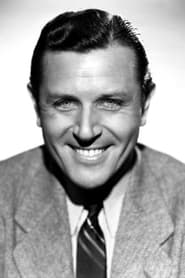
Warren Hull
Actor
Born: January 17, 1903 in Gasport, New York, USA Died: March 14, 1974 Active: 1934-1960 Birth Name: John Warren Hull
Films
1 film
About Warren Hull
John Warren Hull — American actor and broadcaster who enjoyed a diverse career spanning film, radio, and television during the Golden Age of Hollywood. Born in rural New York, Hull began his career as a radio announcer before transitioning to film acting in the mid-1930s, where he became known for his leading roles in B-movies and film serials, particularly in the adventure and mystery genres. His most notable film work included appearances in popular serials like 'The Green Hornet' and 'Flash Gordon,' where his handsome appearance and clear speaking voice made him ideal for heroic characters. Beyond his film career, Hull found tremendous success as a radio host, most famously as the announcer and occasional actor on 'The Green Hornet' radio series, which showcased his distinctive voice and dramatic timing. In the early days of television, he successfully transitioned to the new medium, hosting game shows and variety programs that capitalized on his broadcasting experience. Hull's career exemplified the versatility required of entertainers during this transitional period in American media, moving seamlessly between different formats and adapting his skills to new technologies. Despite never achieving A-list stardom in films, his consistent work across multiple media platforms made him a recognizable and respected figure in American entertainment for over two decades.
The Craft
On Screen
Hull employed a clean, straightforward acting style characterized by clear diction and a commanding presence that served him well in both film and radio. His approach was typically naturalistic yet polished, avoiding excessive theatricality while maintaining the dramatic clarity needed for radio broadcasts. In his film roles, particularly in serials and B-movies, he projected an earnest, heroic quality that made him believable as the protagonist in adventure and mystery stories. His voice work was especially distinctive, with a rich, resonant tone that carried authority and excitement, perfect for both dramatic narration and character portrayal.
Milestones
- Film debut in 'The Great Ziegfeld' (1936)
- Starred in 'The Green Hornet' film serial (1940)
- Long-running role as announcer on 'The Green Hornet' radio series
- Hosted popular early TV game shows including 'Strike It Rich'
- Appeared in over 50 films during his career
- Transitioned successfully from silent films to talkies
- Became one of early television's familiar faces
Best Known For
Iconic Roles
Must-See Films
Accolades
Won
- Hollywood Walk of Fame Star (Radio Category)
Special Recognition
- Hollywood Walk of Fame Star dedicated for his contributions to radio broadcasting
- Recognized as one of the voices of American radio drama
Working Relationships
Worked Often With
Studios
Why They Matter
Impact on Culture
Warren Hull played a significant role in the evolution of American entertainment media during the crucial transition period from radio to television. As one of the distinctive voices of radio's golden age, particularly through his work on 'The Green Hornet,' he helped establish the conventions of audio drama that would influence generations of broadcasters. His successful transition to television made him part of the generation that shaped early TV programming, particularly in the game show format that would become a television staple. Hull represented the type of versatile entertainer who could adapt to new technologies while maintaining professional standards across different media platforms. His work in film serials also contributed to the development of the action-adventure genre that would later influence comic book adaptations and superhero narratives in cinema.
Lasting Legacy
Warren Hull's legacy endures primarily through his contributions to radio broadcasting and early television, where he helped establish professional standards and formats that continue to influence media today. His work on 'The Green Hornet' radio series remains a touchstone for fans of classic radio drama and superhero adaptations. The Hollywood Walk of Fame star he received acknowledges his significant impact on American broadcasting, particularly his role in bringing dramatic storytelling to the airwaves. While his film career may not have achieved the lasting fame of some contemporaries, his body of work in serials and B-movies represents an important chapter in Hollywood history, showcasing the studio system's ability to produce consistent, popular entertainment. Hull's career trajectory from radio announcer to television host exemplifies the adaptability required of entertainers during.
Who They Inspired
Hull influenced subsequent generations of broadcasters through his clear, authoritative announcer style that became a model for radio and television hosts. His work in dramatic radio helped establish techniques for voice acting and audio storytelling that would later influence everything from animation voice work to podcasting. As an early television personality, he helped develop the conventions of game show hosting that would become standardized in the industry. His ability to transition between media platforms demonstrated to future entertainers the importance of versatility and adaptability in an ever-changing entertainment landscape. Many broadcasters and announcers who followed in the 1950s and 1960s cited Hull's professional approach and distinctive delivery as influences on their own careers.
Off Screen
Warren Hull was married three times throughout his life, with his personal life reflecting both the glamour and challenges of Hollywood during its golden era. His first marriage to actress Julie Bishop ended in divorce, as did his second marriage to Barbara Pepper. He found lasting happiness with his third wife, Virginia, with whom he remained until his death. Hull was known in Hollywood circles as a reliable professional and family man who maintained a relatively low public profile compared to many of his contemporaries. Despite the demands of his multi-platform career, he was described by colleagues as someone who valued his private life and maintained strong family connections. His later years were spent away from the spotlight, enjoying retirement with his family in California.
Education
Attended local schools in New York, later studied drama and broadcasting techniques while beginning his career in radio
Family
- Julie Bishop (1936-1940)
- Barbara Pepper (1943-1948)
- Virginia Hull (1949-1974)
Did You Know?
- Started his career as a radio announcer in Buffalo, New York before moving to Hollywood
- His distinctive voice made him
- Appeared in uncredited roles in several major MGM productions including 'The Great Ziegfeld'
- Was one of the few actors to successfully transition from film serials to television hosting
- His radio work on 'The Green Hornet' predated the character's television adaptation by decades
- Hosted the game show 'Strike It Rich' on both radio and television
- Was known for his professionalism and reliability, rarely missing broadcasts or film shoots
- His third marriage to Virginia lasted 25 years until his death
- Retired from entertainment in the early 1960s to focus on family life
- Was an early member of AFRA (American Federation of Radio Artists), later AFTRA
In Their Own Words
In radio, your voice is everything - it must paint pictures that the eyes cannot see
The secret to good broadcasting is treating every microphone as if it's connected to just one listener
Serials taught us pacing - how to keep audiences coming back week after week
Television didn't kill radio, it just gave us another way to tell stories
In entertainment, adaptability isn't a choice, it's a survival skill
Frequently Asked Questions
Who was Warren Hull?
American with credits in this catalog. He was best known for his work in film serials, particularly 'The Green Hornet,' and as a distinctive voice on radio dramas and game shows.
What films is Warren Hull best known for?
Titles linked here include The Green Hornet (1940 serial), Flash Gordon Conquers the Universe (1940).
When was Warren Hull born and when did he die?
Born January 17, 1903; died March 14, 1974.
What awards did Warren Hull win?
Warren Hull received a star on the Hollywood Walk of Fame in the Radio category, recognizing his significant contributions to American broadcasting. While he didn't receive major film industry awards, his impact on radio and early television was substantial.
What was Warren Hull's acting style?
Hull's acting style was characterized by clear diction, naturalistic delivery, and a commanding presence that worked well in both visual and audio media. He projected an earnest, heroic quality that made him ideal for leading roles in serials and adventure films.
How did Warren Hull transition from radio to television?
Hull successfully transitioned from radio to television in the early 1950s by leveraging his experience as a game show host and announcer. He hosted programs like 'Strike It Rich' on both mediums, adapting his broadcasting skills for the visual requirements of television.
What was Warren Hull's role in 'The Green Hornet'?
Hull played Britt Reid/The Green Hornet in the 1940 film serial and was the primary announcer for the popular radio series. His distinctive voice helped establish the character's identity in American popular culture long before television adaptations.