
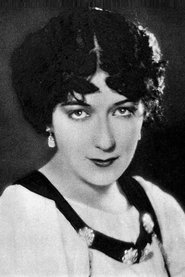
Aileen Pringle
Actor
Born: July 23, 1895 in San Francisco, California, USA Died: January 16, 1989 Active: 1920-1944 Birth Name: Aileen Bisbee
Films
3 films
About Aileen Pringle
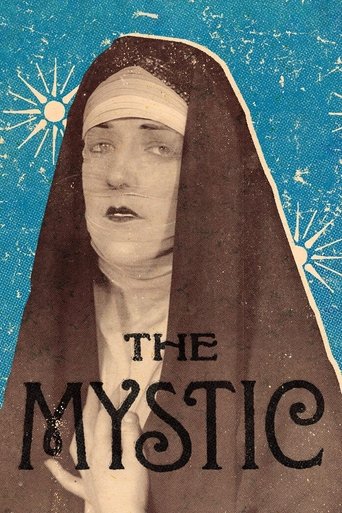
prominent American actress of the silent era and early sound period — known for her sophisticated demeanor and elegant screen presence. Born into San Francisco high society, she began her film career after being discovered by director James Kirkwood while visiting Hollywood. Pringle quickly rose to stardom at MGM in the mid-1920s, becoming one of the studio's most glamorous leading ladies, often cast as sophisticated society women or femme fatales. Her career peaked with roles in films like 'The Mystic' (1925) and 'Charley's Aunt' (1925), where she showcased both her beauty and comedic timing. Despite her popularity during the silent era, Pringle struggled to transition successfully to sound films, though she continued working in supporting roles throughout the 1930s. Aileen appears in over 60 films during her career, gradually fading from the spotlight by the early 1940s. Later in life, she became a successful novelist and maintained her connection to Hollywood society until her death in 1989.
The Craft
On Screen
Pringle was known for her sophisticated and refined acting style, embodying the archetype of the elegant society woman with natural grace. Her performances combined subtle wit with dramatic intensity, particularly excelling in roles that required both glamour and emotional depth. In silent films, she mastered the art of expressive facial acting and body language, while in talkies, she adapted her style to incorporate her distinctive, well-modulated voice that perfectly suited her upper-class characterizations.
Milestones
- Signed with MGM in 1924 becoming one of their top stars
- Starred in 'The Mystic' (1925) which became one of her most successful films
- Named one of the WAMPAS Baby Stars of 1925
- Successfully transitioned from silent films to talkies
- Became a published novelist later in life with several mystery novels
Best Known For
Iconic Roles
Must-See Films
Accolades
Won
- WAMPAS Baby Star Award (1925)
Special Recognition
- Hollywood Walk of Fame Star (located at 6723 Hollywood Blvd)
Working Relationships
Worked Often With
Studios
Why They Matter
Impact on Culture
Aileen Pringle represented the ideal of sophisticated Hollywood femininity during the Jazz Age, embodying the transition from Victorian propriety to modern independence. Her characters often portrayed the 'new woman' of the 1920s - educated, independent, and socially confident - making her a role model for female audiences of the era. As one of the few actresses who came from genuine high society, she brought authenticity to her aristocratic roles, influencing how Hollywood depicted the upper class on screen. Her struggles with the transition to sound also reflected the broader challenges faced by many silent film stars, making her career a case study in Hollywood's technological evolution.
Lasting Legacy
Aileen Pringle's legacy extends beyond her film career into literature, where she found success as a mystery novelist in the 1940s and 1950s, publishing several well-received books. Her preservation of Hollywood's golden era through her memoirs and interviews provided valuable historical documentation of 1920s and 1930s cinema. Today, film historians recognize her as an important representative of the sophisticated, educated actress archetype that dominated silent cinema, and her surviving films are studied for their authentic portrayal of 1920s high society. Her star on the Hollywood Walk of Fame continues to commemorate her contributions to American cinema.
Who They Inspired
Pringle influenced subsequent generations of actresses by demonstrating that intelligence and sophistication could be valuable assets in Hollywood, not just conventional beauty. Her successful transition from acting to writing showed that creative careers could evolve beyond performing, inspiring other performers to develop additional artistic talents. Her authentic portrayal of society women set a standard for realism in upper-class characterizations that influenced casting and performance styles in subsequent decades.
Off Screen
Aileen Pringle was born into San Francisco's prominent Bisbee family, giving her a genuine high society background that translated well to her screen persona. She married wealthy mining heir Charles McKee in 1916, but the marriage ended in divorce in 1923, leaving her financially independent. In 1927, she married James M. Kane, a prominent attorney, but this marriage also ended in divorce. Despite her glamorous Hollywood image, Pringle was known for her intelligence and literary interests, which later led to her successful career as a mystery novelist. She never had children and spent her later years living in New York City, maintaining connections with her Hollywood friends while pursuing her writing career.
Education
Attended private schools in San Francisco, received formal education befitting her social status
Family
- Charles McKee (1916-1923)
- James M. Kane (1927-1935)
Did You Know?
- Was one of the original WAMPAS Baby Stars in 1925, alongside future stars like Mary Astor and June Marlowe
- Came from a wealthy San Francisco family and was considered genuine 'old money' unlike many Hollywood stars
- Her birth name was Aileen Bisbee, but she adopted 'Pringle' as her stage name
- Was known as one of Hollywood's best-dressed women during the 1920s
- Published several mystery novels under her own name in the 1940s, including 'The Shining Hours' and 'The Crooked Lane'
- Was a close friend of fellow actress Colleen Moore and often socialized with Hollywood's elite
- Her voice was considered well-suited for talkies, but her popularity had already waned by the sound era
- Maintained her wealth throughout her life through wise investments and her writing career
- Appeared in over 60 films between 1920 and 1944
- Was one of the few silent stars who successfully maintained her dignity and privacy throughout her career and retirement
In Their Own Words
I never wanted to be a movie star. I wanted to be a lady, and movies seemed to be the only way to maintain the lifestyle I was accustomed to.
The transition from silent to sound wasn't as difficult for me as for others. The real challenge was maintaining relevance in an industry that was constantly looking for the next new face.
Hollywood in the twenties was like a magnificent party that everyone was afraid would end. We all danced faster and smiled brighter, hoping the music would never stop.
Frequently Asked Questions
Who was Aileen Pringle?
American actress who rose to fame during the silent era as one of MGM's most sophisticated leading ladies. Known for her elegant portrayals of society women, she appeared in over 60 films from 1920 to 1944 and later became a successful mystery novelist.
What films is Aileen Pringle best known for?
Titles linked here include The Mystic (1925), Charley's Aunt (1925).
When was Aileen Pringle born and when did she die?
Born July 23, 1895; died January 16, 1989.
What awards did Aileen Pringle win?
Pringle was named one of the WAMPAS Baby Stars of 1925, an honor given to promising young actresses. She also received a star on the Hollywood Walk of Fame at 6723 Hollywood Blvd, recognizing her contributions to American cinema.
What was Aileen Pringle's acting style?
Pringle was known for her sophisticated and refined acting style, naturally embodying upper-class society women with authentic grace. Her performances combined subtle wit with dramatic intensity, excelling in both dramatic roles and sophisticated comedies that required elegant timing and poise.