
The Mystic
"Carnival psychic swindles society"
Keys: Space play/pause · ←/→ 10s · F fullscreen · M mute · </> speed
About this film
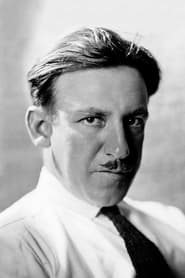
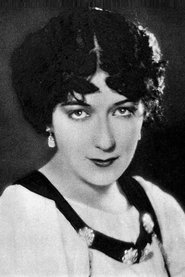
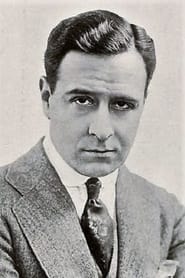
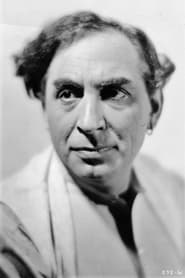
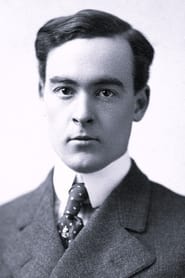
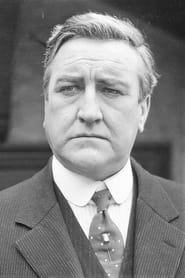
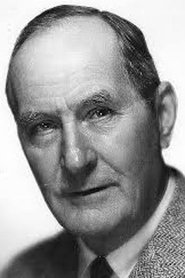
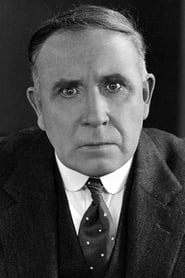
Fake psychic Zara and manager Anton swindle American high society after fleeing a Hungarian carnival. Tod Browning's 1925 con-artist melodrama stars Aileen Pringle.
Cast & crew
More films like this
More Drama films
View all →







More from Tod Browning
View all →



More about this film
About the production
Release dateOctober 19, 1925
ProductionMetro-Goldwyn-Mayer (MGM)
Filmed inMGM Studios, Culver City, California
The film was part of Tod Browning's fascination with carnival and circus themes, which would culminate in his most famous work 'Freaks' (1932). Browning insisted on authentic carnival atmosphere and incorporated many actual carnival performers as extras. The production faced challenges with creating convincing séance effects in the pre-special effects era, using practical effects and clever camera techniques.
Themes
Deception and authenticitySpiritualism vs. skepticismClass mobility and social climbingThe power of beliefTransformation and redemption
Themes & topics
psychiccon artistspiritualismcarnivalséancehigh societydeceptiontransformationSvengaliHungarysupernaturalfraudredemption
Historical background
The Mystic (1925) reached audiences during the silent feature period, when exhibitors mixed shorts and features on the same program.
Why this film matters
Historians retain The Mystic as a record of how filmmakers in 1925 addressed popular genres.
Making of
Tod Browning drew heavily from his own experiences working in traveling carnivals and sideshows in the early 1900s. He insisted on authenticity, bringing in real carnival performers and spiritualist consultants to advise on the production. The séance sequences were particularly challenging to film, requiring elaborate setups with hidden wires, trapdoors, and specially designed lighting rigs. Aileen Pringle, who was one of MGM's most glamorous stars, initially resisted playing the role of a carnival psychic, feeling it was beneath her status. Browning convinced her by emphasizing the character's transformation from carnival performer to sophisticated society medium. The production was rushed through filming to meet MGM's release schedule, which reportedly caused tension on set between the meticulous Browning and studio executives.
What critics said
Trade coverage from 1925 treated The Mystic as program material; later writers evaluate it through preservation and genre context.
Did you know?
- Director Tod Browning had a personal obsession with spiritualism and the supernatural, having worked in carnivals and circuses before becoming a filmmaker
- The film was one of several collaborations between Browning and star Aileen Pringle, who was one of MGM's top leading ladies in the 1920s
- The psychic séance scenes were considered groundbreaking for their time, using innovative lighting and camera tricks to create supernatural effects
- Mitchell Lewis, who plays the con man, was a frequent character actor in Browning's films, appearing in six of his movies
- The film's theme of fake spiritualism preyed on the public's fascination with the occult that was rampant in the 1920s
- Aileen Pringle was reportedly unhappy with the film and tried to have her name removed from the credits
- The original story was based on an unpublished play called 'The Soul Stealer'
- The film's sets were designed by Cedric Gibbons, who would become one of Hollywood's most influential art directors
- Despite being an MGM production, the film was made on a relatively modest budget compared to the studio's other prestige pictures
- The movie was released during the height of the spiritualist movement in America, following World War I when many sought contact with deceased loved ones
Visual style
The cinematography by William H. Daniels employed innovative techniques to create the supernatural atmosphere, particularly in the séance sequences. Daniels used dramatic lighting contrasts, with deep shadows and sudden illumination to suggest spiritual presence. The film utilized double exposure techniques and mirror effects to create ghostly apparitions, which were quite advanced for 1925. The carnival scenes were shot with a gritty realism that contrasted sharply with the elegant high society settings, using different visual styles to distinguish between Zara's two worlds. Daniels also employed moving camera techniques during the more dramatic moments, creating a sense of unease and supernatural activity that enhanced the film's psychological tension.
Innovations
The Mystic featured several technical innovations for its time, particularly in the creation of supernatural effects. The film pioneered new techniques for creating floating objects and ghostly apparitions using hidden wires, glass matte paintings, and carefully timed double exposures. The séance sequences required elaborate setups involving trapdoors, concealed mechanisms, and synchronized lighting effects. The production team developed new methods for creating ectoplasm effects using cotton, gauze, and special lighting. The film also showcased advanced makeup techniques for transforming Aileen Pringle's character from carnival performer to sophisticated medium. These technical achievements, while subtle, contributed significantly to the film's atmospheric quality and helped establish visual effects techniques that would be used in horror and supernatural films for decades.
Music
As a silent film, The Mystic would have been accompanied by live musical performances during its theatrical run. The original score was likely composed by MGM's music department, possibly by William Axt or David Mendoza, who were the studio's primary composers during this period. The music would have featured dramatic organ passages during séance scenes, waltzes for society sequences, and carnival-style music for the opening scenes. Modern restorations typically feature new scores composed specifically for the film, often incorporating period-appropriate styles. The original cue sheets, if they exist, would have indicated specific musical moments and emotional beats for theater organists or orchestras to follow.
Famous quotes
The dead speak to those who know how to listen... and how to make others believe they hear.
In this world, my dear, the greatest miracle is convincing people to believe what you want them to believe.
We don't sell spirits, we sell hope - and hope is the most expensive commodity in the world.
Memorable scenes
- The opening carnival sequence where Zara performs her first fake psychic reading, establishing her character and the film's atmosphere of deception
- The elaborate séance scene where Zara contacts the spirit of a wealthy woman's deceased son, featuring floating objects and ghostly apparitions created through innovative special effects
- The transformation sequence where Zara evolves from carnival performer to sophisticated society medium, showcasing both physical and psychological changes
- The climactic confrontation where Zara's powers become unexpectedly real, forcing her to choose between fraud and genuine spiritual ability
What audiences thought
The Mystic performed modestly at the box office upon its release in 1925, appealing primarily to fans of Aileen Pringle and Tod Browning's previous work. The film tapped into the public's contemporary fascination with spiritualism, which helped attract audiences interested in the occult. However, it was overshadowed by bigger MGM productions released around the same time. Audience reactions were generally positive toward the séance sequences, which were considered the film's highlight. The movie developed a small but dedicated following among spiritualist enthusiasts and carnival culture aficionados. In retrospect, the film has gained appreciation among silent film collectors and Browning specialists, though it remains one of his lesser-known works.
Film connections
Influenced by
- The Cabinet of Dr. Caligari (1920)
- The Phantom Carriage (1921)
- Haxan (1922)
- Trilby (the novel that introduced the Svengali character)
This film influenced
- Freaks (1932)
- The Unholy Three (1925)
- The Unknown (1927)
- The Devil Doll (1936)
Film restoration
The Mystic is currently considered a lost film, with no complete copies known to exist. Only fragments and production stills survive in various film archives, including the MGM collection at the University of California, Los Angeles. The film was one of many silent era productions that were lost when MGM destroyed its nitrate film inventory in the 1960s to prevent fires and save storage costs. Some scenes were reportedly included in compilation films of the 1930s, but these versions are also lost. The film exists only through production stills, contemporary reviews, and the original screenplay preserved in the MGM archives. Film preservation organizations continue to search for any surviving copies in private collections or foreign archives.
Where to watch
- Unfortunately, The Mystic is not available for viewing as it is considered a lost film. Film enthusiasts can only experience it through surviving production stills, contemporary reviews, and written accounts of its content. The MGM script is available for research at the Margaret Herrick Library in Los Angeles. Film preservation organizations like the Library of Congress and the UCLA Film & Television Archive continue to search for lost films, so there remains hope that a copy may someday be discovered.