
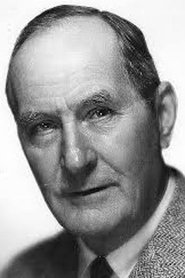
David Torrence
Actor
Born: January 17, 1864 in Edinburgh, Scotland Died: December 27, 1951 Active: 1912-1942 Birth Name: David William Torrence
Films
7 films
About David Torrence
Scottish-American character actor: three decades of Hollywood's golden era, from the silent film period through the early sound era. Born in Edinburgh, Scotland, he began his acting career on the stage before transitioning to films in the early 1910s. Torrence quickly established himself as a versatile character actor, specializing in portraying authority figures, aristocrats, and antagonists with his commanding presence and distinctive Scottish accent. Throughout his prolific career, he appeared in over 100 films, working with some of the biggest stars of the era including Mary Pickford, Lon Chaney, and Lillian Gish. His performances in films like 'Tess of the Storm Country' (1922) and 'The Hunchback of Notre Dame' (1923) showcased his ability to bring depth to supporting roles. As the film industry transitioned to sound, Torrence successfully adapted his stage-trained voice to the new medium, continuing his career into the early 1940s. He retired from acting in 1942 after a remarkable career that had made him one of Hollywood's most recognizable character actors of his generation.
The Craft
On Screen
Torrence was known for his commanding stage presence and authoritative demeanor, often portraying aristocrats, judges, military officers, and villains. His Scottish heritage gave him a distinctive accent that added authenticity to his roles. He employed a classical acting technique honed through years of stage experience, bringing theatrical gravitas to his film performances. His tall stature and piercing eyes made him particularly effective in intimidating roles, though he could also display remarkable warmth and gentleness when required.
Milestones
- Film debut in 'The Old Gardener' (1912)
- Breakthrough role in 'The Last of the Mohicans' (1920)
- Memorable performance in 'The Hunchback of Notre Dame' (1923)
- Transition to sound films in late 1920s
- Final film appearance in 'The Man Who Returned' (1942)
Best Known For
Iconic Roles
Must-See Films
Accolades
Special Recognition
- Star on Hollywood Walk of Fame
Working Relationships
Worked Often With
Studios
Why They Matter
Impact on Culture
David Torrence represented the transition of classical stage actors into the new medium of cinema, bringing theatrical gravitas to silent films and later to talkies. His consistent presence in Hollywood productions throughout the 1920s and 1930s made him a familiar face to movie audiences of the era. As a Scottish actor in early Hollywood, he was part of the internationalization of American cinema, helping to establish the industry's global character. His ability to transition successfully from silent to sound films demonstrated the adaptability required of actors during this revolutionary period in film history.
Lasting Legacy
David Torrence's legacy lies in his contributions as one of Hollywood's most reliable character actors during the formative decades of American cinema. His extensive filmography serves as a valuable record of the types of supporting roles that gave depth and authenticity to classic films of the silent and early sound eras. As the brother of Ernest Torrence, he was part of one of early Hollywood's notable acting families. His career trajectory from stage to silent film to talkies exemplifies the journey of many actors of his generation who successfully navigated the dramatic technological changes in the film industry.
Who They Inspired
Torrence influenced younger character actors through his professionalism and versatility, demonstrating the importance of strong supporting performances in ensemble casts. His successful transition from silent films to talkies provided a model for other actors facing the challenges of the new sound era. His classical training and stage background helped establish the value of formal acting education in the film industry, a practice that became more common in subsequent decades.
Off Screen
David Torrence was the elder brother of fellow actor Ernest Torrence, with whom he occasionally appeared in films. He married actress Edith Boree, and their marriage lasted until her death. The couple had no children. Torrence was known for his professionalism and dedication to his craft, maintaining a reputation as a reliable and talented character actor throughout his long career. After retiring from films, he lived quietly in Los Angeles until his death at age 87.
Education
Educated in Edinburgh, Scotland; trained in classical theatre and dramatic arts
Family
- Edith Boree (married until her death)
Did You Know?
- Born in Edinburgh, Scotland, the same city as fellow actor Sean Connery
- Was the elder brother of actor Ernest Torrence by 14 years
- Appeared in over 100 films during his 30-year career
- Successfully transitioned from silent films to talkies, unlike many of his contemporaries
- Often played characters much older than his actual age due to his dignified appearance
- Began his career in theater before moving to films
- Worked with virtually every major studio during his career
- Was particularly skilled at portraying authority figures and villains
- Retired from acting in 1942 at age 78
- His distinctive Scottish accent became one of his trademarks in sound films
In Their Own Words
Acting is not about being famous, it's about being good at your craft and serving the story
The transition from silent to sound films wasn't as difficult for stage actors like myself - we were used to using our voices
Every character, no matter how small, deserves the actor's full commitment and respect
Frequently Asked Questions
Who was David Torrence?
Screen credits include over 100 films from 1912 to 1942, known for his authoritative roles in silent films and early talkies. He was the elder brother of fellow actor Ernest Torrence and was particularly skilled at portraying aristocrats, judges, and villains.
What films is David Torrence best known for?
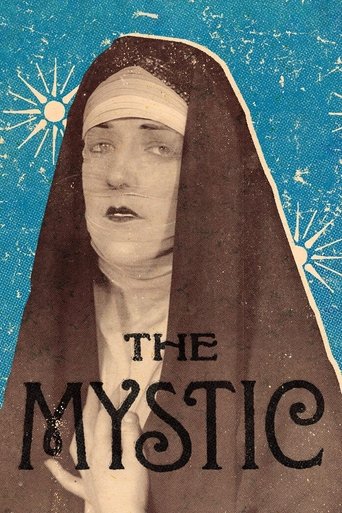
Titles linked here include Tess of the Storm Country (1922), The Mystic (1925).
When was David Torrence born and when did he die?
Born January 17, 1864; died December 27, 1951.
What awards did David Torrence win?
While David Torrence did not receive major acting awards during his career, he was honored with a star on the Hollywood Walk of Fame in recognition of his contributions to the film industry. His legacy lies in his extensive body of work rather than formal accolades.
What was David Torrence's acting style?
David Torrence employed a classical acting style rooted in his stage training, characterized by commanding presence and authoritative delivery. He specialized in playing authority figures and villains, using his tall stature, piercing eyes, and distinctive Scottish accent to create memorable characters in both silent and sound films.
How was David Torrence related to Ernest Torrence?
David Torrence was the elder brother of Ernest Torrence, another prominent actor of the silent era. The brothers were both born in Scotland and had successful careers in Hollywood, though David was 14 years older and had a longer career, spanning into the sound era.
Did David Torrence successfully transition to sound films?
Yes, David Torrence successfully transitioned from silent films to talkies, unlike many of his contemporaries. His stage training and distinctive Scottish accent were assets in the new sound era, allowing him to continue his acting career into the early 1940s.
What was David Torrence's final film?
David Torrence's final film appearance was in 'The Man Who Returned' in 1942, after which he retired from acting at age 78. This marked the end of a remarkable 30-year career in Hollywood that had spanned the silent era and the early years of sound cinema.