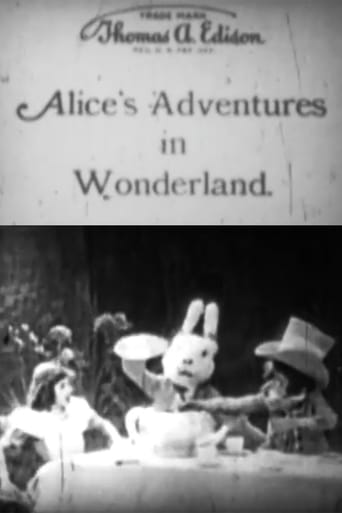

Gladys Hulette
Actor
Born: July 23, 1896 in Augusta, Georgia, USA Died: August 8, 1991 Active: 1909-1925
Films
6 films
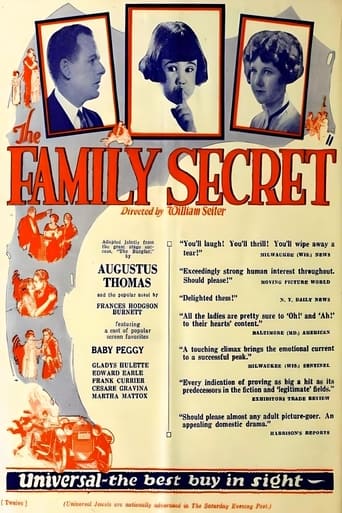
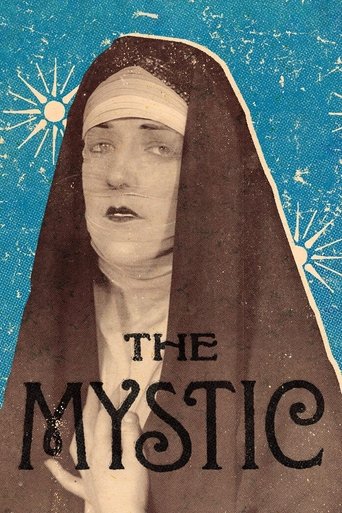
About Gladys Hulette
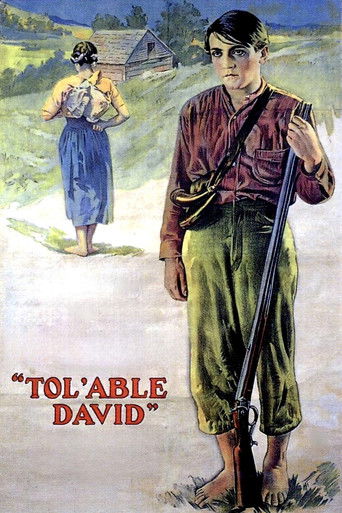
Gladys Hulette worked on one surviving credit: able David (1921). Born in 1896, she made her film debut at just 13 years old in Vitagraph Studios productions and quickly became recognizable child actresses of the 1900s and 1910s. Her career flourished throughout the silent era, with her most acclaimed performance coming in Henry King's masterpiece 'Tol'able David' (1921), where she delivered a nuanced, naturalistic performance that was ahead of its time. Hulette worked with numerous prominent directors and appeared in over 100 films during her 16-year career, demonstrating remarkable versatility in everything from comedies to dramatic roles. Unlike many of her contemporaries, she possessed a subtle acting style that relied more on natural expression than exaggerated gestures, making her performances particularly appealing to modern audiences. She retired from films in 1925, just as the transition to sound was beginning, choosing to leave the industry at the height of her silent-era success rather than attempt the difficult transition to talkies. Her legacy lives on through her preserved films, which continue to be studied and appreciated by silent film enthusiasts and cinema historians.
The Craft
On Screen
Gladys Hulette was known for her naturalistic and understated acting style, which set her apart from many of her silent-era contemporaries who relied on exaggerated gestures and melodramatic expressions. Her performances were characterized by subtle facial expressions and genuine emotional authenticity that translated well to the camera. She possessed a remarkable ability to convey complex emotions through minimal movement, making her particularly effective in dramatic roles. Critics of her time often praised her 'modern' approach to acting, noting that she seemed to understand the intimacy of the film medium better than many stage-trained actors of the period.
Milestones
- Film debut at age 13 in Vitagraph productions
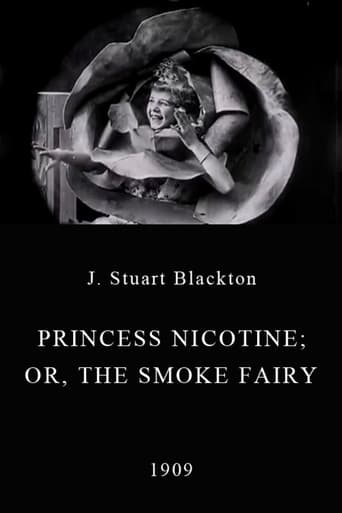
- Starred in 'Princess Nicotine' (1909), an innovative early special effects film
- Lead role in 'Tol'able David' (1921), considered a silent cinema masterpiece
- Successful transition from child star to adult leading lady
- Retired at the peak of her silent film career in 1925
Best Known For
Iconic Roles
Must-See Films
Accolades
Special Recognition
- Preservation of her films in the National Film Registry ('Tol'able David')
- Recognition by silent film archives and preservation societies
Working Relationships
Worked Often With
Studios
Why They Matter
Impact on Culture
Gladys Hulette made significant contributions to early cinema through her work as both a child and adult actress during the foundational years of American filmmaking. Her performance in 'Tol'able David' helped establish new standards for naturalistic acting in silent films, influencing subsequent generations of performers. She was part of the transition from theatrical acting styles to more film-appropriate techniques, helping to develop the language of screen acting that would become standard. Her early work in special effects films like 'Princess Nicotine' demonstrated the creative possibilities of cinema as an art form beyond simple recorded performances. As one of the few child stars who successfully aged into adult roles, she provided a model for career longevity in an industry that often discarded young performers.
Lasting Legacy
Gladys Hulette's legacy endures through her preserved body of work, which continues to be studied by film historians and screened at silent film festivals worldwide. Her performance in 'Tol'able David' remains. She represents an important bridge between the earliest days of American film and the more sophisticated silent cinema of the 1920s. Her successful career trajectory from child star to respected adult actress provided a template for future generations of performers. The preservation of her films has ensured that her contributions to cinema history remain accessible to modern audiences, allowing new generations to appreciate her talent and the artistry of silent film performance.
Who They Inspired
Gladys Hulette influenced the evolution of screen acting through her naturalistic approach, which contrasted with the more theatrical styles common in early cinema. Her work demonstrated that subtle, authentic performances could be powerful on screen, paving the way for more realistic acting styles in later films. She influenced other performers by showing that child actors could successfully transition to adult roles, challenging the industry's tendency to typecast young performers. Her collaborations with directors like Henry King helped establish new standards for dramatic storytelling in American cinema. Her legacy continues to influence contemporary actors who study silent film techniques to understand the foundations of screen performance.
Off Screen
Gladys Hulette married director and actor George W. Larkin in 1915, with whom she frequently collaborated professionally before their divorce. She later married businessman Arthur Houseman in 1925, the same year she retired from films, and remained married to him until his death. Unlike many Hollywood figures of her era, she maintained a relatively private personal life and successfully transitioned to a quiet life away from the public eye after her retirement. She lived to be 95 years old, outlasting most of her silent-era contemporaries and witnessing the complete transformation of the film industry she had helped shape in its infancy.
Education
Limited information available, likely educated primarily through on-set experience during the early film era
Family
- George W. Larkin (1915-1922)
- Arthur Houseman (1925-1964)
Did You Know?
- Made her film debut at age 13, making her one of the earliest child stars in American cinema
- Appeared in over 100 films during her 16-year career
- Her film 'Princess Nicotine' (1909) featured innovative special effects for its time, including stop-motion animation
- Was one of the few silent-era actors who successfully retired before the transition to sound films
- Lived to be 95 years old, making her one of the longest-lived silent film stars
- Her performance in 'Tol'able David' was praised by critics for its naturalism and subtlety
- Worked with both film companies like Vitagraph and major studios like Paramount
- Retired from films in 1925, the same year she married her second husband
- Was part of the first generation of actors who grew up in the film industry rather than transitioning from stage
- Her films are preserved in major film archives including the Library of Congress
In Their Own Words
On her transition from child to adult roles: 'The camera doesn't lie, and it doesn't forget. You either grow with it or it leaves you behind.'
On acting in silent films: 'We had to say everything without saying anything. Our eyes, our hands, our very breath had to tell the story.'
Frequently Asked Questions
Who was Gladys Hulette?
American actress who worked during the silent film era from 1909 to 1925. She began as a child actress and successfully transitioned to adult roles, becoming known for her naturalistic acting style and her acclaimed performance in 'Tol'able David' (1921).
What films is Gladys Hulette best known for?
Titles linked here include Tol'able David (1921), Princess Nicotine; or, The Smoke Fairy (1909).
When was Gladys Hulette born and when did she die?
Born July 23, 1896; died August 8, 1991.
What awards did Gladys Hulette win?
While Gladys Hulette did not receive formal awards during her career (the Academy Awards were established after her retirement), her film 'Tol'able David' has been preserved in the National Film Registry, and she is recognized by film preservation societies for her contributions to early cinema.
What was Gladys Hulette's acting style?
Gladys Hulette was known for her naturalistic and understated acting style, which was ahead of its time in the silent era. Unlike many contemporaries who used exaggerated gestures, she relied on subtle expressions and authentic emotion, making her performances particularly effective and modern-feeling to contemporary audiences.