
Princess Nicotine; or, The Smoke Fairy
"He discovers this."
Keys: Space play/pause · ←/→ 10s · F fullscreen · M mute · </> speed
About this film
A smoker falls asleep, and two mischievious fairies play with his pipe. He discovers this, and imprisons them in a cigar box. He removes a flower from the box, which contains a fairy smoking a cigarette.
Cast & crew
More films like this
More Comedy films
View all →







More from J. Stuart Blackton
View all →
More about this film
About the production
Release dateApril 1909
Box officeUnknown (box office records were not systematically kept for short films in this era)
ProductionVitagraph Company of America
Filmed inBrooklyn, New York (Vitagraph Studios)
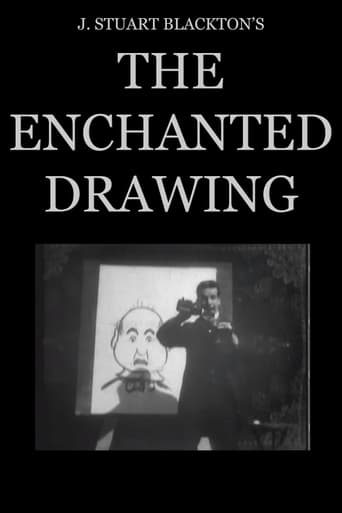
This film was revolutionary for its use of stop-motion animation techniques and special effects. J. Stuart Blackton, who had previously pioneered animation with 'The Enchanted Drawing' (1900) and 'Humorous Phases of Funny Faces' (1906), continued to push the boundaries of what was possible in early cinema. The fairies were created using a combination of forced perspective, double exposure, and stop-motion animation, making them appear to be tiny creatures interacting with full-sized props. The smoke effects were achieved through careful timing and the use of smoke machines, a relatively new technology at the time.
Themes
Magic vs. RealityThe Supernatural in Everyday LifeInnocence and PlayTechnology and IllusionDreams and the Subconscious
Themes & topics
Historical background
Exhibitors around 1909 slotted Princess Nicotine; or, The Smoke Fairy into mixed bills where shorts, newsreels, and features shared the same program.
Why this film matters
Archivists revisit Princess Nicotine; or, The Smoke Fairy (1909) for performance styles and craft choices later mainstream releases refined.
Making of
The production of 'Princess Nicotine' was proof of J. Stuart Blackton's innovative spirit and technical prowess. Blackton, who had begun his career as a cartoonist and magician, brought both artistic sensibilities to filmmaking. The fairies were created using a sophisticated combination of techniques: the actresses were filmed at a distance with oversized props to create the illusion of smallness, while stop-motion animation was used for scenes where objects moved on their own. The smoke effects required careful choreography and timing, as the filmmakers had to work with natural smoke behavior rather than having complete control. The production team built special sets with hidden mechanisms to create the magical effects, such as the self-arranging cigar and the disappearing flower. The film was shot in Vitagraph's Brooklyn studio, which was one of the first purpose-built film production facilities in America.
What critics said
Trade papers near 1909 listed Princess Nicotine; or, The Smoke Fairy as program material rather than headline art cinema.
Did you know?
- This is considered one of the first films to feature stop-motion animation with live-action actors
- The fairies were played by child actresses using perspective tricks to make them appear tiny
- J. Stuart Blackton was a co-founder of Vitagraph and one of the pioneers of American cinema
- The film's special effects were so advanced for their time that many audiences believed they were witnessing actual magic
- The title character 'Princess Nicotine' was one of the first named fairy characters in cinema history
- This film predates Disney's first fairy film by over 20 years
- The smoke effects were created using a combination of tobacco smoke and early theatrical fog machines
- The film was part of Vitagraph's popular 'trick film' series that showcased special effects
- Gladys Hulette, who played one of the fairies, went on to have a successful career in silent films
- The film was distributed internationally and was particularly popular in European markets
Visual style
The cinematography of 'Princess Nicotine' was groundbreaking for its time, utilizing multiple innovative techniques to create the illusion of tiny fairies interacting with a normal-sized world. The film employed forced perspective photography, with the fairy actresses positioned at a distance from the camera while oversized props were placed closer to create the illusion of scale. Double exposure techniques were used to superimpose the fairy characters over the main action, allowing them to appear to float and move magically. The cinematographer also utilized careful lighting to enhance the ethereal quality of the fairy characters, often backlighting them to create a glowing effect. The smoke effects required specialized cinematography techniques, including slow-motion capture and careful timing to achieve the desired magical appearance. The camera work was remarkably steady for the era, allowing the special effects to be clearly visible and believable to audiences.
Innovations
'Princess Nicotine' represents several major technical achievements in early cinema. The film pioneered the use of stop-motion animation in combination with live-action, a technique that would not become common for another decade. The special effects team developed innovative methods for creating the illusion of tiny characters, including custom-built oversized props and carefully controlled perspective shots. The smoke effects were particularly advanced, utilizing early fog machines and careful timing to create the appearance of smoke behaving in impossible ways. The film also featured some of the earliest examples of object animation, with inanimate objects appearing to move and reassemble themselves. The seamless integration of multiple special effects techniques in a single film was unprecedented for 1909, demonstrating a level of technical sophistication that was years ahead of its time.
Music
As a silent film from 1909, 'Princess Nicotine' would have been accompanied by live musical performance during its theatrical exhibition. Typical accompaniment would have included a pianist or small orchestra playing popular light classical pieces or ragtime music appropriate to the whimsical nature of the film. The music would have been synchronized with the on-screen action, with playful melodies accompanying the fairies' antics and more dramatic music during the scenes of conflict between the smoker and the fairy. Some theaters may have used compiled cue sheets that suggested specific musical pieces for different scenes. The original musical accompaniment has not been preserved, but modern screenings of the film typically feature period-appropriate piano or orchestral scores that evoke the magical and playful tone of the original presentations.
Famous quotes
(Silent film - no dialogue, but intertitles included: 'The Smoke Fairy appears' and 'A magical encounter with tobacco spirits')
Memorable scenes
- The opening sequence where the fairies emerge from the pipe smoke and dance on the table, showcasing the innovative special effects and establishing the film's whimsical tone
What audiences thought
Audiences in 1909 were enchanted and mystified by 'Princess Nicotine,' with many viewers believing the special effects were achieved through actual magic rather than technical skill. The film was a commercial success for Vitagraph and became a popular item in nickelodeon programs across the United States. Contemporary audience reports indicate that viewers were particularly fascinated by the scenes of the fairies interacting with smoke, which seemed impossible to achieve with the technology of the time. The film's whimsical nature appealed to both children and adults, making it a family-friendly attraction in an era when cinema was still establishing itself as respectable entertainment. Modern audiences viewing the film in retrospectives and film festivals continue to be impressed by its technical achievements and charming execution, often expressing surprise at how sophisticated the effects were for 1909.
Film connections
Influenced by
- Georges Méliès' trick films
- J. Stuart Blackton's earlier animated works
- Shakespeare's 'A Midsummer Night's Dream'
- Victorian fairy tales and illustrations
This film influenced
- The Blue Bird (1918)
- Peter Pan (1924)
- Disney's 'Fantasia' (1940)
- Ray Harryhausen's stop-motion films
- Studio Ghibli's fantasy works
Film restoration
The film is preserved in the Library of Congress and has been restored by various film archives. Multiple copies exist in different film archives worldwide, including the Museum of Modern Art and the British Film Institute. The restoration has stabilized the image quality and preserved the original tinting that was common in films of this era.
Where to watch
- Available on DVD collections of early cinema
- Streaming on The Criterion Channel
- Viewable on YouTube through archive uploads
- Available through the Library of Congress's digital collections
- Shown at silent film festivals and museum retrospectives