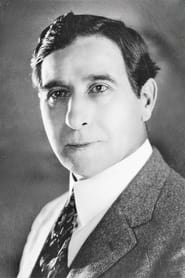
Paul Panzer
Actor & Director
Born: November 3, 1872 in Würzburg, Bavaria, Germany Died: August 16, 1958 Active: 1905-1958
Films
12 films
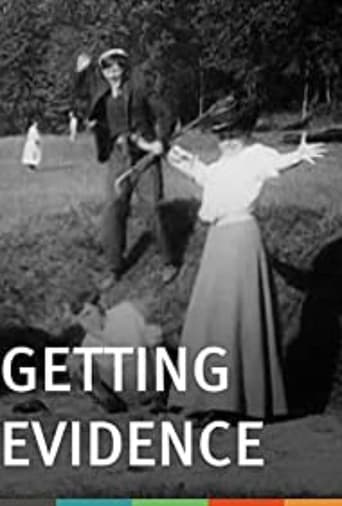
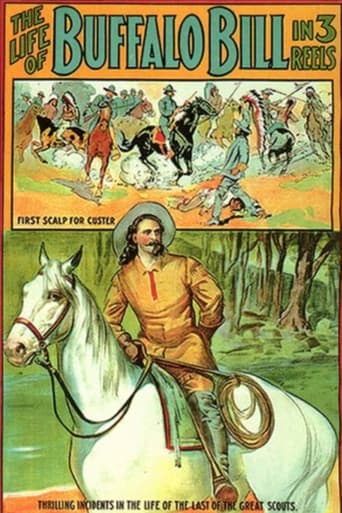
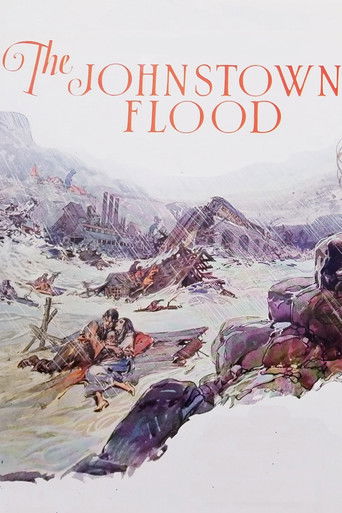
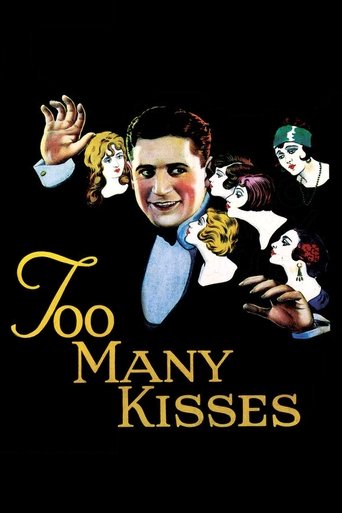
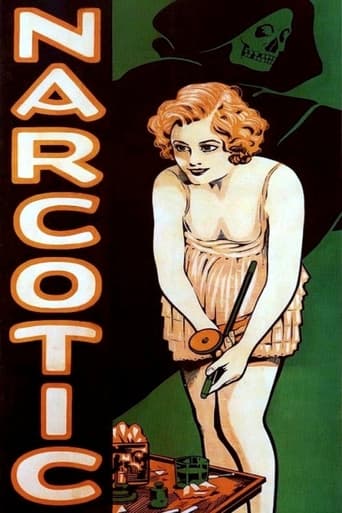
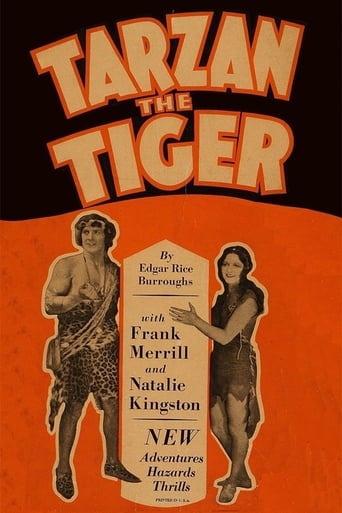
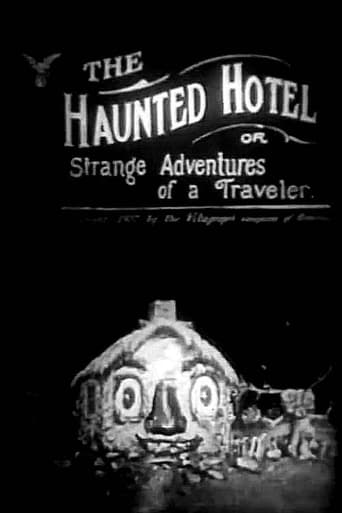
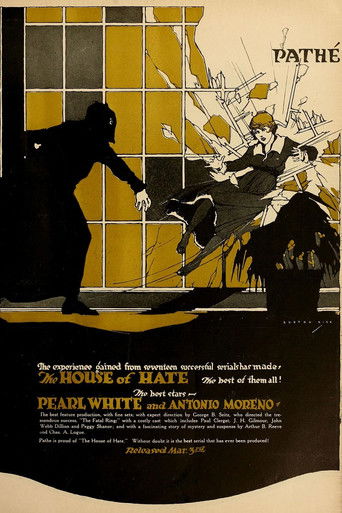
About Paul Panzer
Prolific German-American actor and director whose Vitagraph career from 1905 included The Life of Buffalo Bill (1912) and over 300 silent-era roles. Born in Würzburg, Bavaria, Germany, he immigrated to the United States and began his film career in 1905 with the Vitagraph Studios. Panzer appeared in over 300 films throughout his career, often playing villains, authority figures, and comic relief characters. He directed several films in the early 1910s, including the historical drama 'The Life of Buffalo Bill' in 1912. His the entire silent era and successfully transitioned into sound films, though his roles became smaller as he aged. Panzer worked with virtually every major studio of his time and appeared alongside many of the era's biggest stars. He continued acting in films and television until his death in 1958, making him one of the last surviving actors from the dawn of cinema.
The Craft
On Screen
Panzer was known for his versatile character acting, specializing in villainous roles, authority figures, and comedic supporting parts. His German heritage often typecast him as foreign villains or stern officials, though he could play a wide range of characters. In silent films, he used exaggerated facial expressions and broad gestures typical of the era, but adapted his style to become more naturalistic in sound films. His distinctive appearance with a prominent mustache and intense gaze made him instantly recognizable to audiences.
Behind the Camera
As a director in the early 1910s, Panzer employed the straightforward narrative techniques common in the transitional period between early cinema and classical Hollywood style. His films focused on clear storytelling with minimal camera movement, following the conventions of the time. 'The Life of Buffalo Bill' demonstrated his ability to handle historical subjects and action sequences, though his directing career was brief compared to his extensive acting work.
Milestones
- Early work with Vitagraph Studios (1905-1915)
- Directed 'The Life of Buffalo Bill' (1912)
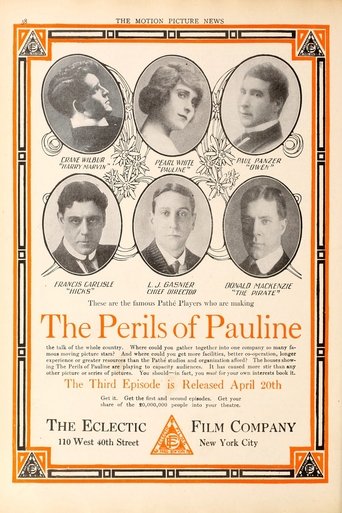
- Appeared in 'The Perils of Pauline' (1914)
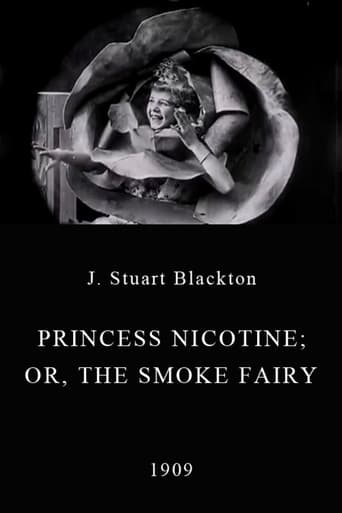
- Starred in 'Princess Nicotine' (1909)
- Worked with D.W. Griffith on several projects
- Successfully transitioned from silent to sound films
- Appeared in over 300 films during his career
Best Known For
Iconic Roles
Must-See Films
Accolades
Special Recognition
- Hollywood Walk of Fame star (6600 Hollywood Boulevard)
Working Relationships
Worked Often With
Studios
Why They Matter
Impact on Culture
Paul Panzer represents the archetype of the character actor who helped build the foundation of American cinema. His prolific career spanning over five decades illustrates the evolution of film from its primitive beginnings to sophisticated studio productions. As one of the few actors who worked in both the East Coast and West Coast film industries during their formative years, Panzer contributed to establishing professional standards and techniques that would define Hollywood. His ability to adapt to changing technologies and audience preferences demonstrated the resilience required for longevity in the entertainment industry.
Lasting Legacy
Paul Panzer's legacy lies in his contribution to the development of character acting in American cinema. With over 300 film appearances, he exemplified the working actor who provided essential supporting performances that elevated countless productions. His successful transition from silent films to talkies, while rare for actors of his generation, demonstrated his versatility and professionalism. Today, film historians and silent cinema enthusiasts recognize Panzer as an important figure who helped establish the conventions of screen acting and the studio system that would dominate Hollywood for decades.
Who They Inspired
While not a major star, Panzer influenced generations of character actors through his professionalism and adaptability. His work in early serial films helped establish the template for villainous characters that would become staples of popular cinema. His longevity in the industry provided a model for how supporting actors could maintain successful careers by adapting to changing industry demands and technological innovations. Contemporary character actors studying silent film technique often reference Panzer's work as an example of effective silent-era performance.
Off Screen
Paul Panzer immigrated to the United States from Germany in the late 19th century, settling in New York before moving to California to pursue his film career. He married actress Josephine Dillon in 1909, though the marriage ended in divorce. Despite his prolific career, Panzer maintained a relatively private personal life, focusing primarily on his work in the rapidly evolving film industry. He witnessed and participated in the transformation of cinema from its earliest days through the golden age of Hollywood.
Education
Limited information available about his formal education; likely educated in Germany before immigrating to the United States
Family
- Josephine Dillon (1909-1915, divorced)
Did You Know?
- Prolific character actors of the silent era with over 300 film credits
- Born in the same year as Thomas Edison invented the phonograph
- Worked with both East Coast and West Coast film industries during their formative years
- His distinctive mustache became his trademark throughout his career
- Appeared in films spanning from the nickelodeon era to television's golden age
- Was one of the last surviving actors from the dawn of cinema
- Often typecast as German villains due to his accent and appearance
- Worked with virtually every major star of the silent era
- Continued acting well into his 80s
- His star on the Hollywood Walk of Fame was awarded posthumously
In Their Own Words
In the early days, we had to invent everything as we went along. There were no rules, no techniques to follow - we made them up as we filmed
Playing villains was easy in silent pictures - all you needed was a good scowl and a menacing stare
The transition to sound was difficult for many of us, but an actor who could truly act survived
I never cared about being a star. I just wanted to work, and work I did - for over fifty years
Frequently Asked Questions
Who was Paul Panzer?
Screen credits include over 300 films from 1905 to 1958. He was. He also directed several films in the early 1910s before focusing primarily on acting.
What films is Paul Panzer best known for?
Titles linked here include The Perils of Pauline (1914), Princess Nicotine; or, The Smoke Fairy (1909).
When was Paul Panzer born and when did he die?
Born November 3, 1872; died August 16, 1958.
What awards did Paul Panzer win?
While Panzer did not receive major acting awards during his lifetime, he was posthumously honored with a star on the Hollywood Walk of Fame at 6600 Hollywood Boulevard. His legacy lies in his prolific contributions to early cinema rather than formal accolades.
What was Paul Panzer's acting style?
Panzer specialized in character acting with a focus on villains, authority figures, and comedic roles. In silent films, he used exaggerated expressions and gestures typical of the era, later adapting to more naturalistic performances in sound films. His distinctive appearance, particularly his mustache, made him instantly recognizable to audiences.