
Narcotic
"A once-promising doctor begins a downward spiral, finding himself in opium dens, a carnival."
Keys: Space play/pause · ←/→ 10s · F fullscreen · M mute · </> speed
About this film
A once-promising doctor begins a downward spiral, finding himself in opium dens, a carnival freak show, and drugs parties.
Cast & crew
More films like this

More Crime films
View all →

More from Dwain Esper
View all →

More about this film
About the production
Release date1933
BudgetEstimated $10,000-25,000, typical of low-budget exploitation films of the era
Box officeModest but profitable for its budget, particularly through roadshow engagements and multiple re-releases
ProductionDwain Esper Productions, Esper Film Enterprises
Filmed inLos Angeles, California, Various indoor sets designed to resemble opium dens and medical offices
Filmed outside the Hollywood studio system, exploiting the pre-Code era's relaxed censorship standards. The production used minimal sets and resources, with many scenes staged for maximum shock value. Director Dwain Esper and his wife Hildegarde Stadie, who wrote the screenplay, were known for their ability to create sensational content on tiny budgets. The film was often re-released under different titles to maximize profits from unsuspecting audiences.
Themes
Drug addictionMoral decaySocial downfallMedical ethicsFamily destruction
Themes & topics
addictiondrugsdoctordownfallopiumexploitationmoral panicurban lifecarnivalmedical professionmorphinerehabilitationfamily drama
Historical background
In United States, Narcotic belongs to feature filmmaking.
Why this film matters
Within feature history, 1933 film directed by Dwain Esper, Vival Sodar't.
Making of
Dwain Esper and his wife Hildegarde Stadie created 'Narcotic' using their signature exploitation formula: take a controversial social issue, present it in the most sensational way possible, and market it as educational. The couple would often write, direct, produce, and distribute their films themselves, maintaining complete creative control. For the addiction sequences, they used innovative camera techniques including distorted lenses, rapid editing, and exaggerated acting to simulate the effects of drug use. The opium den scenes were filmed on minimal sets but used atmospheric lighting and smoke effects to create an authentic feel. Esper was known for stretching every dollar, often using the same actors and sets across multiple productions. The film's distribution strategy involved traveling roadshow units that would set up in theaters for limited engagements, often accompanied by 'experts' who would give lectures about drug dangers before the screening.
What critics said
Contemporary reviews of Narcotic are sparse in open sources; later catalog entries chiefly summarize plot and credits.
Did you know?
- Director Dwain Esper was especially prolific exploitation filmmakers of the 1930s, specializing in sensational films about taboo subjects
- The film was frequently re-released under various titles including 'Human Wreckage' and 'The Weed of Death' to trick audiences into seeing it multiple times
- Many scenes claimed to show actual drug use were cleverly faked using theatrical effects and camera tricks
- The film was often shown in roadshow engagements with live lectures about the dangers of drug addiction to give it an air of educational legitimacy
- Despite claiming to be educational, the film was designed primarily to titillate and shock audiences with its subject matter
- The production company operated completely outside the Hollywood studio system, avoiding the Hays Code restrictions
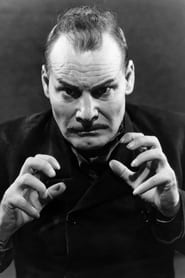
- Harry Cording, who played the lead, was better known for playing villains in major Hollywood productions like 'The Adventures of Robin Hood'
- The film was part of a wave of 'drug scare' movies that included 'Reefer Madness' and 'Marihuana'
- Many prints of the film were confiscated by authorities during screenings due to their controversial content
- The movie was frequently banned or heavily censored in various American cities and states
Visual style
The cinematography by William H. Greene used stark, high-contrast black and white photography to emphasize the moral and physical decay of the protagonist. The opium den sequences employed low-key lighting with heavy shadows to create an atmosphere of moral ambiguity and danger. Camera angles became increasingly distorted during addiction scenes, using Dutch angles and extreme close-ups to simulate the disorienting effects of drug use. The medical office scenes were shot with conventional, respectable lighting to establish the protagonist's initial status, while later scenes grew progressively darker and more chaotic. The carnival sequences used wide shots to emphasize the protagonist's isolation and fallen status. The visual style was deliberately dramatic and theatrical rather than realistic, using light and shadow to reinforce the film's moral message about the dangers of drug addiction.
Innovations
While not technically innovative in the traditional sense, 'Narcotic' demonstrated considerable creativity in working within extreme budget limitations. The film's most notable technical achievement was its ability to create convincing drug effects using only basic camera techniques and editing. The use of distorted lenses, rapid cutting, and unusual camera angles to simulate drug-induced states was particularly effective given the limited resources. The production also showed ingenuity in creating atmospheric sets, particularly the opium dens, using minimal materials but maximum creativity in lighting and composition. The film's success in creating shocking content on a tiny budget influenced generations of low-budget filmmakers. Esper's ability to complete a feature-length film with professional polish on exploitation-level budgets was itself a significant technical achievement for independent cinema of the era.
Music
As a low-budget production, 'Narcotic' used minimal original music, relying instead on stock musical cues and library music typical of exploitation films. The soundtrack likely consisted of dramatic orchestral pieces used to heighten emotional moments and create tension during addiction sequences. Sound effects were used prominently to enhance the shocking nature of certain scenes, particularly in the opium den and drug party sequences. The film's audio design emphasized creaking doors, heavy breathing, and other atmospheric sounds to create a sense of unease. The limited budget meant that the sound quality was often rough, which actually added to the film's gritty, underground feel. The lack of a sophisticated musical score forced the film to rely more heavily on visual storytelling and dramatic performances to convey its message.
Famous quotes
The Naked Truth About the Drug Evil!
See what the devil's weed can do to a man!
From respected physician to desperate addict - the true story of drug madness!
One puff, one shot, one step to ruin!
The opium den - gateway to hell!
Memorable scenes
- The opium den sequence with its atmospheric lighting and portrayal of multiple addicts in various states of intoxication
- The transformation scene showing the doctor's physical deterioration through makeup and performance
- The carnival sideshow sequence where the once-respected physician is reduced to a freak show attraction
- The drug party scene depicting wild behavior and moral abandon
- The medical office scenes at the beginning establishing the protagonist's initial respectability
What audiences thought
The film found considerable success with its target audience of viewers seeking sensational entertainment. Roadshow engagements often drew curious crowds, particularly in smaller cities and towns where such films were rare events. The combination of shocking content and the veneer of educational value made it appealing to audiences who might otherwise avoid such material. Many viewers reported being genuinely frightened by the film's depiction of drug addiction, which was exactly the reaction Esper and Stadie intended. The film's multiple re-releases under different titles suggest that audiences could be tricked into seeing it more than once. Despite being banned in some areas, the controversy often increased public interest, a phenomenon Esper was adept at exploiting. The film developed a cult following among exploitation film enthusiasts that has persisted to this day.
Film connections
Influenced by
- Temperance movement films
- The Black Candle
- an early anti-drug book
- Social problem films of the 1920s
- Medical melodramas
- Urban crime films
This film influenced
- Reefer Madness (1936)
- Marihuana (1936)
- The Cocaine Fiends (1935)
- Assassin of Youth (1937)
- She Shoulda Said No! (1938)
Film restoration
The film survives in multiple archives including the Library of Congress and various film preservation organizations. Several versions exist due to the film's multiple re-releases under different titles. The most complete version runs approximately 62 minutes. The film has been restored and preserved as an important example of American exploitation cinema. Public domain status has helped ensure its survival through multiple home video releases and digital availability. Various archives hold different prints, some with slight variations in content due to regional censorship requirements.
Where to watch
- YouTube (public domain uploads)
- Internet Archive
- Public domain streaming services
- Specialty DVD collections of exploitation films
- Film archive screenings
- Classic film streaming platforms specializing in public domain content